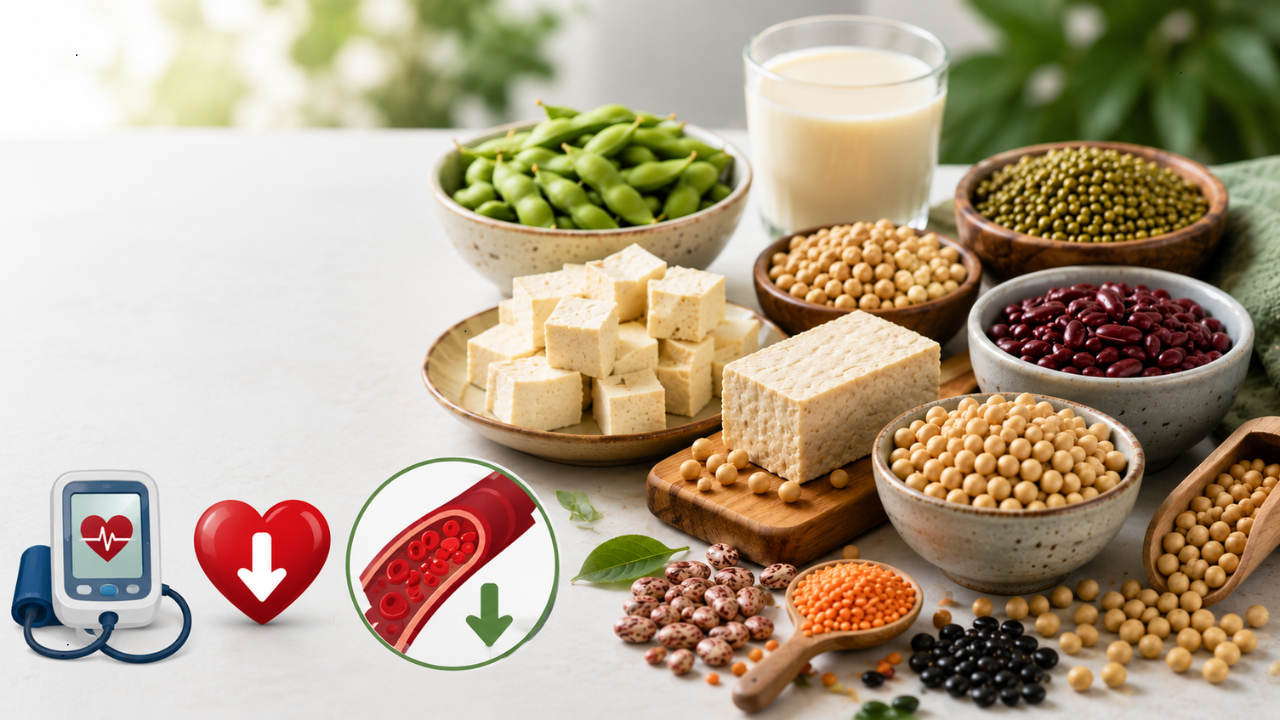
Amid a global increase in hypertension cases, a new study showed that a higher intake of soy foods and legumes may significantly reduce the risk of developing high blood pressure. Researchers, including those from King’s College London and the University of Winchester, UK, found that people who regularly consumed foods such as lentils, chickpeas, beans, tofu, soy milk, and edamame were less likely to develop hypertension compared to those with lower intake levels. The findings, based on a new pooled data analysis published in BMJ Nutrition Prevention & Health, add to growing evidence that plant-based proteins may play an important role in protecting heart health. "These findings provide further evidence in support of dietary recommendations to the public to prioritize and integrate legumes and soy foods as healthy protein sources in the diet," the researchers said in the paper. How Legumes And Soy Helped Reduce High BP The study analyzed data from 12 prospective observational studies involving participants from the United States, Europe, and Asia. The team also identified an “optimal range” for daily intake. The reduction in hypertension risk was significant among: Those taking around 170 grams of legumes per day — 30 per cent reduction . Soy foods showed the greatest benefit at 60–80 grams daily — 28–29 per cent reduction. One hundred grams of legumes or soy is roughly equivalent to one cup of cooked beans or lentils, or a palm-sized serving of tofu. The analysis showed that: A high intake of legumes reduced the risk of high BP by 16 per cent Higher soy consumption led to a 19 per cent lower risk of hypertension. Why These Foods May Help According to the researchers, legumes and soy's blood pressure-lowering benefits may be because these common foods contain nutrients known to support cardiovascular health, including: PotassiumMagnesium Dietary fiber In addition, emerging evidence suggests that soluble fiber in legumes and soy may produce short-chain fatty acids during digestion, helping blood vessels relax and improve circulation. Soy foods additionally contain compounds called isoflavones, which may further contribute to blood pressure regulation. The researcher has called for further large-scale cohorts to confirm the findings, as hypertension rates continue to rise worldwide. “Current legume consumption across Europe and the UK remains below dietary recommendations,” the authors noted, adding that average intake is far lower than the recommended levels for cardiovascular health. The experts noted that the study’s dose-response analysis offers practical dietary targets that could help shape future public health guidelines and clinical recommendations. However, they also cautioned that more large-scale studies are needed to confirm the findings and better understand why soy’s benefits appeared to plateau beyond 80 grams per day.