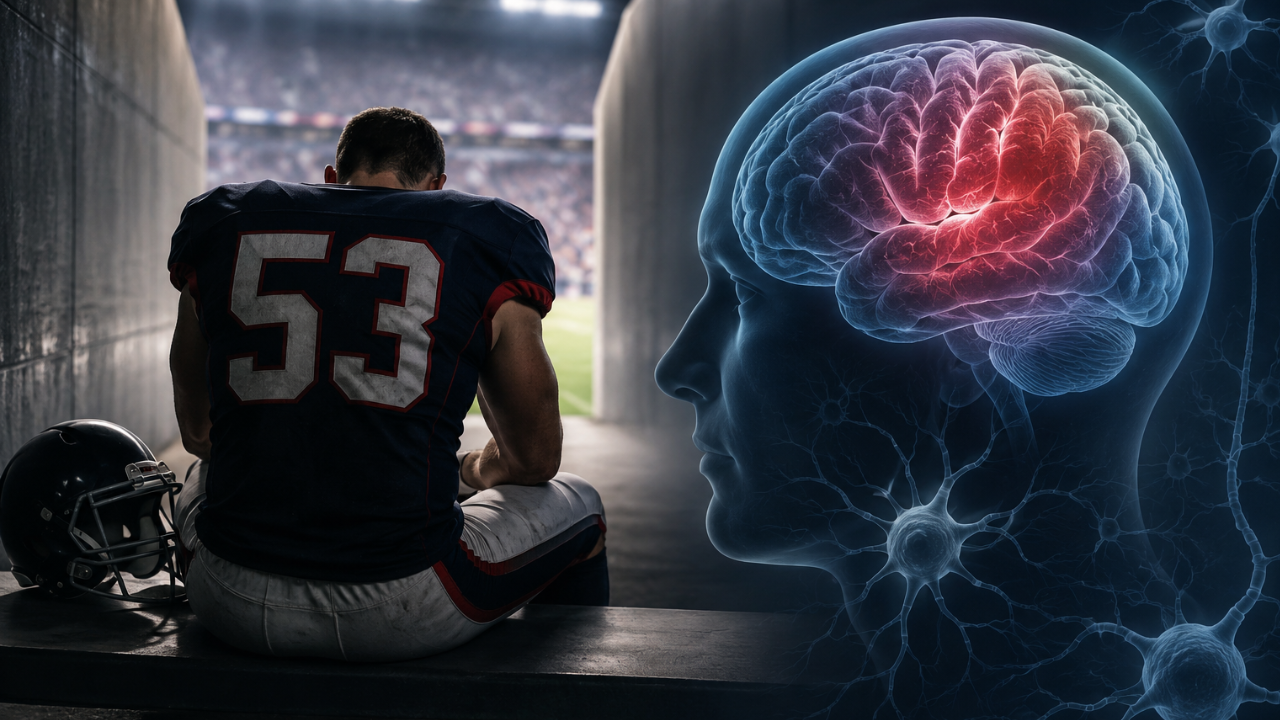
As the world celebrates football through FIFA, new research is drawing attention to the long-term health risks faced by athletes in American professional football. A new study found that former NFL players are nearly four times more likely to die from neurodegenerative diseases like dementia, Parkinson's disease, and amyotrophic lateral sclerosis (ALS), than the general U.S. population.About The Study A major new study has found that former National Football League (NFL) players are nearly four times more likely to die from neurodegenerative diseases like dementia, Parkinson's disease, and amyotrophic lateral sclerosis (ALS) than the general population. The research raised concerns about the long-term impact of repeated head injuries in professional football. Published in eClinicalMedicine, the study analyzed mortality data from 19,824 NFL players who played at least one professional game between 1960 and 2019. The researchers from Mass General Brigham, Boston University, and the Concussion & CTE Foundation compared their health outcomes with those of the general U.S. population. The co-senior author, Daniel Daneshvar, Harvard Medical School associate professor and chair of the Department of Physical Medicine and Rehabilitation at Spaulding Rehabilitation Hospital said, “This is the clearest population-level evidence we have ever had that NFL players are dying due to neurodegenerative disease at real and measurably higher rates.” He added, “This study demonstrates that, when looking at athletes who have played in an NFL game, including nearly 20,000 players, across every official cause of death, the result is the same: NFL players are dying of dementia and Parkinson’s disease three to four times more often than they should.” Despite having a lower overall risk of death than the average American, former NFL players experienced a dramatic increase in deaths linked to neurodegenerative diseases. Specifically, dementia-related deaths were 3.8 times higher, while deaths from Parkinson's disease were 3.88 times higher than expected. Even after adjusting for other known risk factors, neurodegenerative mortality remained approximately three times higher than in the general population.Also read: Bryan Johnson's Autoimmune Gastritis: US Doctor Explains the Hidden Signs of Autoimmune Disease Risk Even Higher Among Younger Players Researchers found that the risk was particularly alarming among players who died before the age of 60. In this group, deaths from neurodegenerative diseases were more than 12 times higher than expected compared with the general population. The study also identified a clear dose-response relationship between years spent in the NFL and disease risk. Players whose careers lasted five seasons or longer had nearly double the risk of neurodegenerative death compared with those who played between one and four seasons. According to study co-senior author Dr. Jesse Mez of Boston University's CTE Center, the study supports evidence of long-term brain disease due to repeated head impacts. "A fourfold increase in dementia rates from a presumed environmental cause is immense," Mez said, adding that previous brain bank studies suggest chronic traumatic encephalopathy (CTE) is most likely a major contributor. Why Overall Mortality Was Lower Interestingly, the researchers found that NFL players actually had lower overall mortality, with reduced deaths from cancer, cardiovascular disease, and suicide compared with the general population. The team proposed the Selection Through Athletic Resilience Survivor (STARS) effect. They suggest that individuals who reach the NFL often have exceptional physical fitness, resilience, healthier lifestyles, and better access to healthcare, all of which contribute to longer overall survival. However, these advantages make the elevated rates of neurodegenerative disease even more striking. Researchers argue that because NFL players are generally healthier than average, the true effect of repetitive head impacts on brain disease could actually be underestimated. The findings add to growing evidence linking repeated head trauma in contact sports to long-term neurological damage and are likely to intensify discussions around concussion prevention, player safety, and long-term monitoring of athletes.