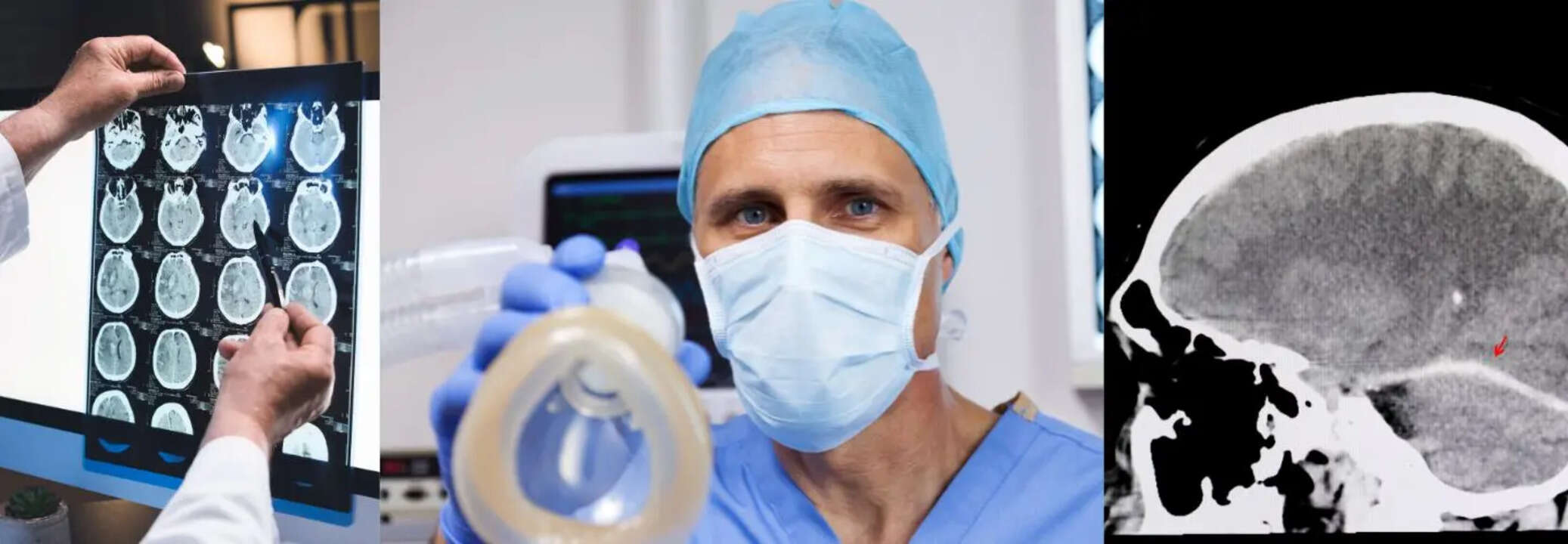
One moment, Dr Cornelius Sullivan was focused on a patient during surgery, and the next moment, he woke up in ambulance, headed to the emergency room. According to the American Society of Anesthesiologists (ASA), Dr Sullivan had struck his head on a monitor that had been moved behind him in a surgery center. This serious accident had resulted in a two-night hospital stay and kept him away from work for weeks. However, this is not the first time he had suffered a work-related injury. This is, in fact, the third time this has happened, noted ASA. "Boom Strikes"These injuries are often called "boom strikes". These occur when anesthesiologists accidentally bump into operating room (OR) equipment that is mounted on fixed or moveable arms. These could be monitors, lights, or screens. While any OR staff member could be hurt this way, anesthesiologists are particularly more vulnerable to such injuries. Their work requires them to operate in tight, also, often crowded spaces. It also requires them to move quickly during emergencies, which further increases the risk of collision with equipment. Why The Problem Is Growing?As per ASA, the risk of boom strikes have been on the rise. This is also because of an increase in sophisticated equipment being added to operating rooms and surgeries are also now performed in much smaller spaces. As per a survey conducted by the organization, it was found that more than half of anesthesiologists reported experiencing at least one work-related injury, including head injuries. These numbers have highlighted the growing concern over physical safety in an already demanding and high-pressure environment. Can New Guidelines Improve Safety?In response to these alarming findings, the ASA has issued a new Statement on Anesthesiologist Head Injuries in Anesthetizing Locations.The statement formally recognizes boom strikes as a serious occupational hazard and even a potential medical emergency — especially dangerous during outpatient procedures or in cases where no backup anesthesiologist is immediately available to take over patient care.Dr. Mary Ann Vann, chair of ASA's Ad Hoc Committee on the Physical Demands of Anesthesiologists, also experienced a work-related head injury. Drawing from personal experience, Dr. Vann helped develop the new safety recommendations, aimed at preventing such incidents.What Have Been The Key Recommendations?The ASA outlined several measures to reduce the risk of head injuries among anesthesiologists, including:Holding Regular Safety Meetings: OR teams should meet frequently to discuss safety concerns and review past incidents.Creating Safety Teams: Special teams should be tasked with reviewing and tracking reports of boom strikes to identify patterns and solutions.Involving Anesthesia Staff in Room Planning: Clinical anesthesia personnel should have a voice when designing or rearranging procedure rooms to ensure equipment placement considers movement and space needs.Tracking Head Injuries: Systematic documentation of head injuries can help health systems better understand causes and outcomes, leading to more informed prevention strategies.The ASA emphasized that head injuries in the OR are not just minor accidents but events that can have serious consequences for patient safety and anesthesiologists’ health.By implementing the new guidelines and raising awareness, the ASA hopes to make operating rooms safer environments for all medical professionals — and ensure that anesthesiologists can continue their vital work without unnecessary risk.