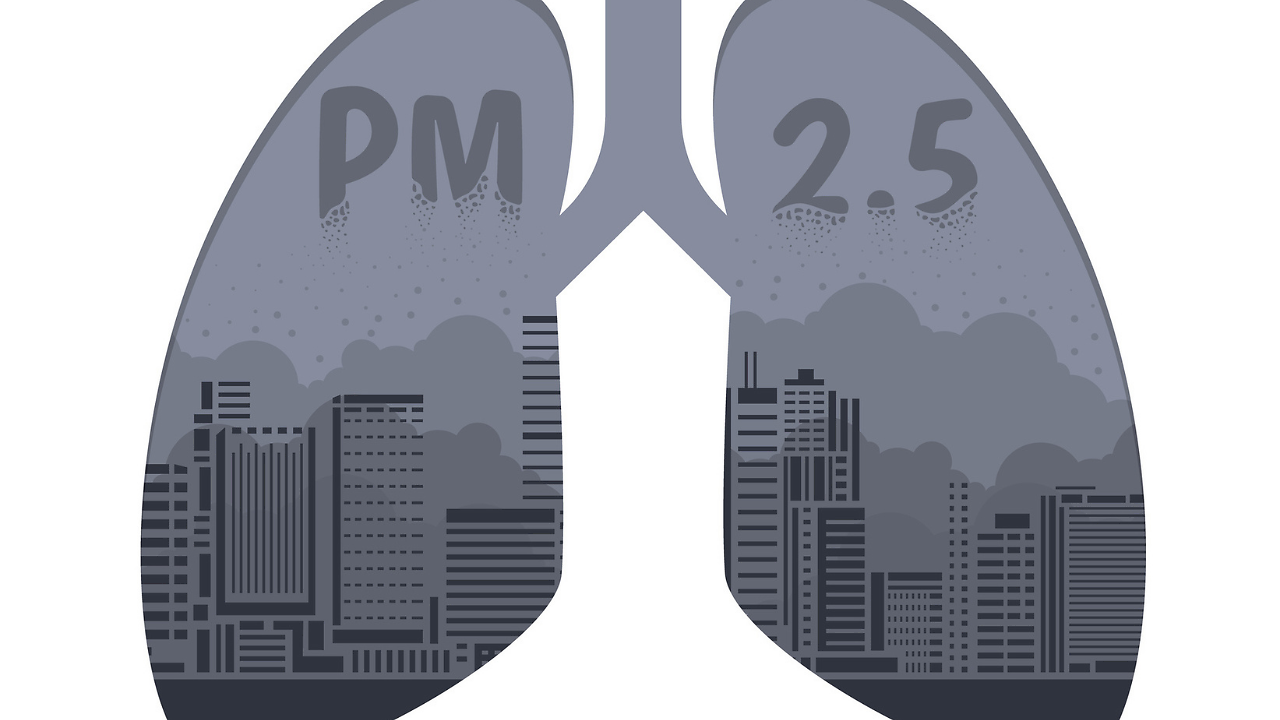
A cough that lasts for days, breathlessness while climbing stairs, or tightness in the chest is often blamed on the weather or pollution. However, when these symptoms keep returning, they need a closer look. Breathing polluted air for a long time can affect the lungs permanently, even in people who have never smoked or been diagnosed with a lung disease. High-AQI days are not the only concern. Everyday exposure to pollutants, especially fine particulate matter (PM2.5), gradually harms the respiratory system. These particles are small enough to reach deep into the lungs and cause inflammation and oxidative stress. If the exposure continues, the airways’ natural defences find it harder to clear them. The effects are often hard to notice. A person may only have an occasional cough or some irritation, without realising that their lung function is slowly declining. What happens to the lungs with prolonged exposure? A 2025 systematic review and meta-analysis in the European Respiratory Review, covering 27 studies, found that long-term air pollution exposure was linked to reduced lung function in adults. For every 10 µg/m³ increase in long-term PM2.5 exposure, forced expiratory volume in one second (FEV1) dropped by about 60 mL and forced vital capacity (FVC) by 73.1 mL. The findings provide evidence that prolonged exposure to particulate pollution can affect measurable aspects of lung capacity, not just cause temporary respiratory discomfort. The researchers also identified adverse associations with nitrogen dioxide and ozone exposure. Is it possible to repair the lung damage? It all depends on the extent of the damage. The inflammation and irritation due to brief exposure will subside once the person moves out of the polluted environment. However, following years of exposure, the airway walls can become thicker and less elastic, and the smaller air passages can be damaged. Over time, these changes can lead to chronic bronchitis and chronic obstructive pulmonary disease (COPD). They can also worsen asthma and make symptoms harder to control. Once the structure of the lungs has been damaged, they may not regain their earlier capacity. Children are at particular risk because their lungs are still developing. Older adults and people who already have a respiratory condition are more likely to suffer complications. When should lung function be checked? A cough that keeps returning, wheezing, unusual breathlessness during physical activity, or a clear drop in exercise tolerance should be seen by a doctor, particularly if you have lived with polluted air for a long time. Spirometry is usually among the first tests. It measures how much air you can breathe out and how quickly. Depending on the result, the doctor may advise more pulmonary function tests or a chest scan. You should not wait until the breathlessness is severe. Lung function can fall gradually, and early symptoms are easy to miss. Cutting down exposure matters. Check the AQI each day, wear a well-fitted N95 mask outdoors when pollution is high, use an effective air filter indoors, and avoid heavy exercise near busy roads. The lungs can recover from some pollution-related irritation, but not always from long-term injury. Having no breathing trouble today does not mean the lungs are unharmed. Repeated exposure should therefore be taken seriously and preventive measures adopted before it leads to more serious problems.(By Dr Abhijeet Singh, Associate Director and Unit Head, Pulmonology, ShardaCare - Healthcity)