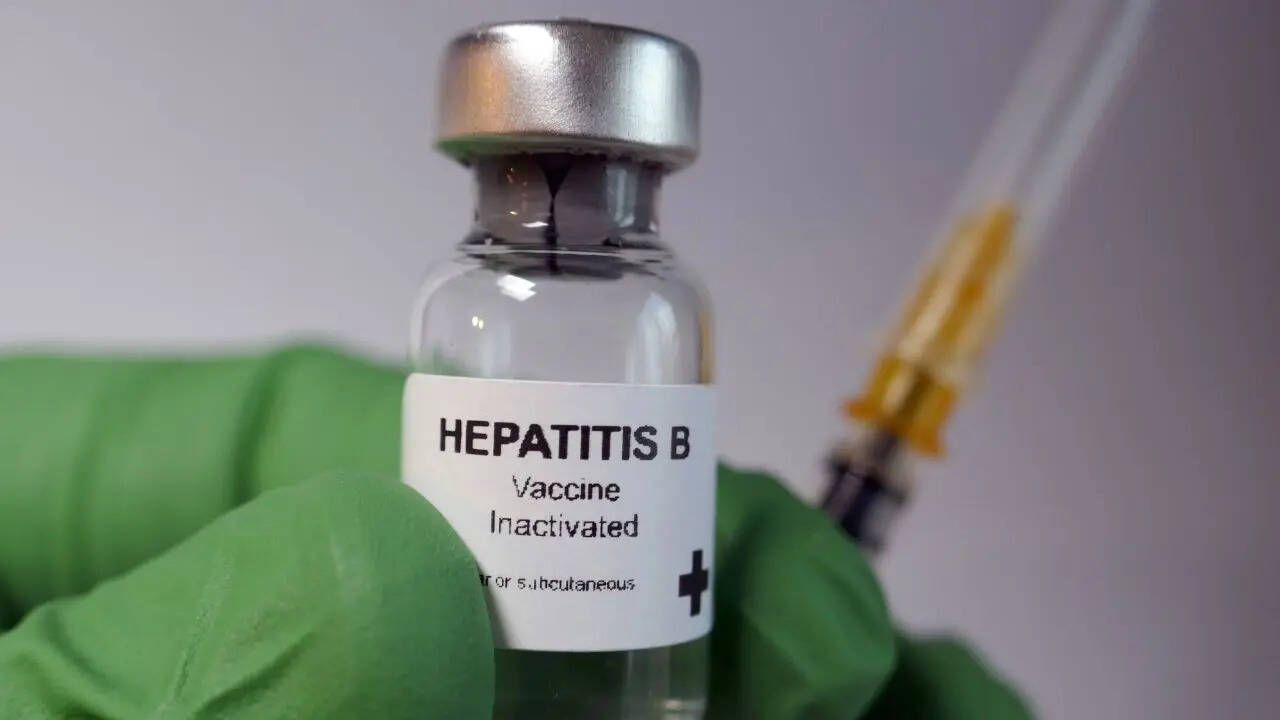
A federal advisory committee postponed Friday’s planned vote on whether to delay some newborns’ first hepatitis B vaccine, disrupting the second day of a closely watched meeting on updates to the childhood immunization schedule.The Centers for Disease Control and Prevention (CDC) panel, recently reshaped by Health and Human Services Secretary Robert F. Kennedy Jr., raised questions about the safety and necessity of the hepatitis B vaccine during Thursday’s discussions. With the vote now postponed, parents may be wondering what this means for their child’s vaccination schedule. Below, we make it easy for you.CDC Advisers Postpone Vote On Newborn Hepatitis B ShotHealth experts welcomed the news as the vaccine panel under Health and Human Services Secretary Robert F. Kennedy Jr. voted to maintain current guidance on a vaccine that has protected children for decades.For nearly 35 years, the Centers for Disease Control and Prevention (CDC) has recommended that newborns receive their first dose of the hepatitis B vaccine within 24 hours of birth.On September 19, the Advisory Committee on Immunization Practices (ACIP) postponed a vote that would have delayed the first dose until at least one month after birth for babies born to mothers who test negative for hepatitis B. This comes after the panel’s September 18 meeting, where members voted to no longer recommend the combined MMRV vaccine for children under 4 years old.ALSO READ: As CDC Advisers Vote Against MMRV Vaccine For Kids Under 4, Here's What Parents Should KnowInitially, the panel had voted to continue covering these vaccines for children under 4 through the Vaccines for Children programme, which ensures access for families who may not afford them. However, they later voted to remove that coverage. While most adults recover fully from hepatitis B, about 90% of infected infants and 30% of children infected between ages 1 and 5 develop lifelong infections, which can lead to severe liver damage, liver cancer, or even death, according to the CDC.What This Decision Means for Your Child’s HealthFor now, newborns will continue to receive the hepatitis B vaccine within 24 hours of birth, keeping the long-standing protection policy in place. Experts say this early dose is crucial because infants are far more likely than older children or adults to develop chronic hepatitis B if infected.The panel had been considering a delay for babies born to mothers who test negative for hepatitis B, but keeping the current schedule ensures that children remain safeguarded against a serious liver infection from day one.Safety and Effectiveness of the Hepatitis B Birth DoseThe hepatitis B vaccine given within 24 hours of birth is considered both safe and highly effective. Decades of research and real-world use have shown that newborns tolerate the vaccine well, with only minor side effects such as mild soreness at the injection site or a low-grade fever in rare cases.Giving the first dose at birth is particularly important because infants are far more vulnerable to developing chronic hepatitis B if infected. Around 90% of infants who contract the virus go on to develop lifelong infections, which can lead to severe liver problems, liver cancer, or even premature death.ALSO READ: WHO Guidelines On Weight Loss Drugs For ObesityEarly vaccination helps the immune system recognise and fight the virus, providing protection from the very first hours of life. The birth dose, followed by subsequent doses as part of the recommended schedule, has been credited with dramatically reducing hepatitis B infections in young children and protecting millions of babies worldwide.