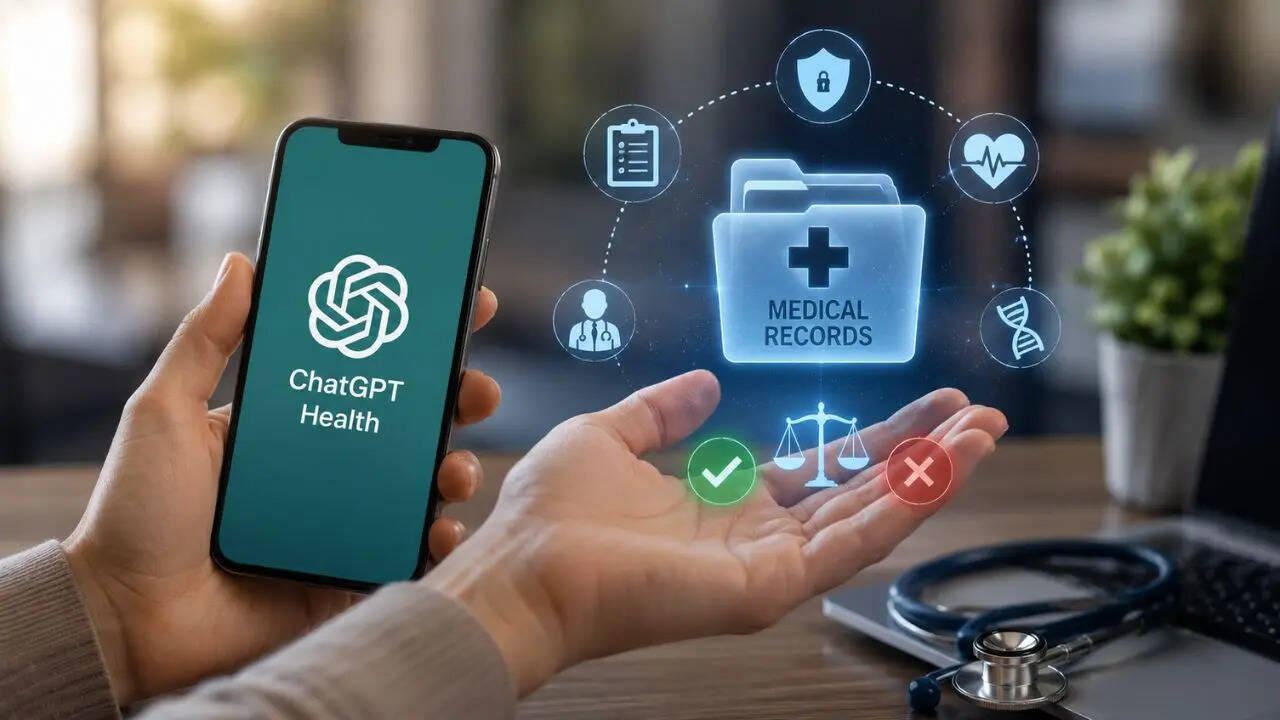
Artificial intelligence has steadily been becoming a bigger part of the healthcare sector. One of the biggest examples is ChatGPT. Open AI recently begun rolling out Health in ChatGPT to eligible users in the United States, allowing people to securely connect medical records, Apple Health data, and other supported health sources directly to ChatGPT. The feature aims to help users in understanding their lab reports better, document their medical history, prepare for doctor visits, and gauge complex medical information. While it promises convenience and personalised health insights, it has also sparked concerns about privacy, data security, and how much trust people should place in AI for healthcare decisions. What Is ChatGPT Health? ChatGPT Health is a dedicated health workspace that allows eligible US users aged 18 and older to connect supported health data sources, including Apple Health, medical records from participating healthcare providers, One Medical, and Function Health. It is currently available on the web and iOS for eligible Free, Go, Plus, and Pro users in the US, with the rollout happening gradually. Once connected, users can ask questions such as: What has changed between my latest and previous blood tests? Can you explain my cholesterol report in simple language? How are my sleep and exercise affecting my overall health? What questions should I ask my doctor during my next appointment? Instead of uploading reports every time, ChatGPT can use connected health information, with the user’s permission, to provide more personalized explanations. Also read: AIIMS Doctor Issues Warning After Patient Follows ChatGPT Advice, Suffers Internal BleedingOpenAI Emphasises Privacy OpenAI says Health is separate from regular ChatGPT conversations and includes additional privacy protections. According to the company, “Health is designed to support; not replace, medical care and is not intended for final diagnosis or treatment. For urgent symptoms or emergencies, seek immediate professional help.” The company also states, “Conversations in Health are not used to train our foundation models.” Users can disconnect connected accounts whenever they choose. OpenAI says synced data from disconnected sources is deleted from its systems within 30 days, although information already included in conversation history remains unless users delete those chats. Pros And Cons Of ChatGPT Health How Can It Help? Makes Medical Reports Easier To Comprehend Medical records often contain technical terminology that patients struggle to interpret. AI can translate complicated reports into simpler language that laymen can understand. Saves Time Before Doctor Visits Patients can review previous reports, organise symptoms, and prepare questions before appointments, making doctor visits more productive. Maintains Medical History People often have information spread across hospital portals, physical files, wearable devices, and fitness apps. ChatGPT can combine these sources to identify patterns over time, like changes in sleep, physical activity, or important bio markers. Supports Better Health Tracking Rather than searching through multiple reports manually, users can quickly compare test results or check long-term changes with simple prompts. Also read: Man Falls Ill After Seeking ChatGPT Advice on Cutting SaltPotential Downsides Despite the advantages, experts caution against relying too heavily on AI for healthcare. Privacy Concerns Although OpenAI has introduced additional security measures, users are still sharing extremely sensitive personal health information with an AI platform. Some AI privacy experts argue that any cloud-based storage of medical information is risky. AI Can Still Make Mistakes ChatGPT can explain information but may misunderstand context, overlook rare conditions, or generate inaccurate answers. OpenAI clearly states that the feature must not replace professional medical advice, diagnosis, or treatment. Risk of Delaying Medical Care The launch comes amid renewed scrutiny over AI-generated medical advice. A recently filed lawsuit alleges that a user delayed seeking emergency treatment after relying on ChatGPT’s health guidance. While the allegations are still part of ongoing legal proceedings, the case has intensified discussions about the limitations of AI in healthcare. Should You Give AI Access To Your Medical Records? If your goal is to better understand your lab reports, organise medical information, or prepare for doctor consultations, ChatGPT Health could become a useful health assistant. However, if you are expecting AI to diagnose illnesses, decide treatments, or replace healthcare professionals, experts say that would be a mistake. Healthcare decisions often depend on physical examinations, medical history, imaging, and clinical judgment, areas where AI cannot replace qualified doctors.