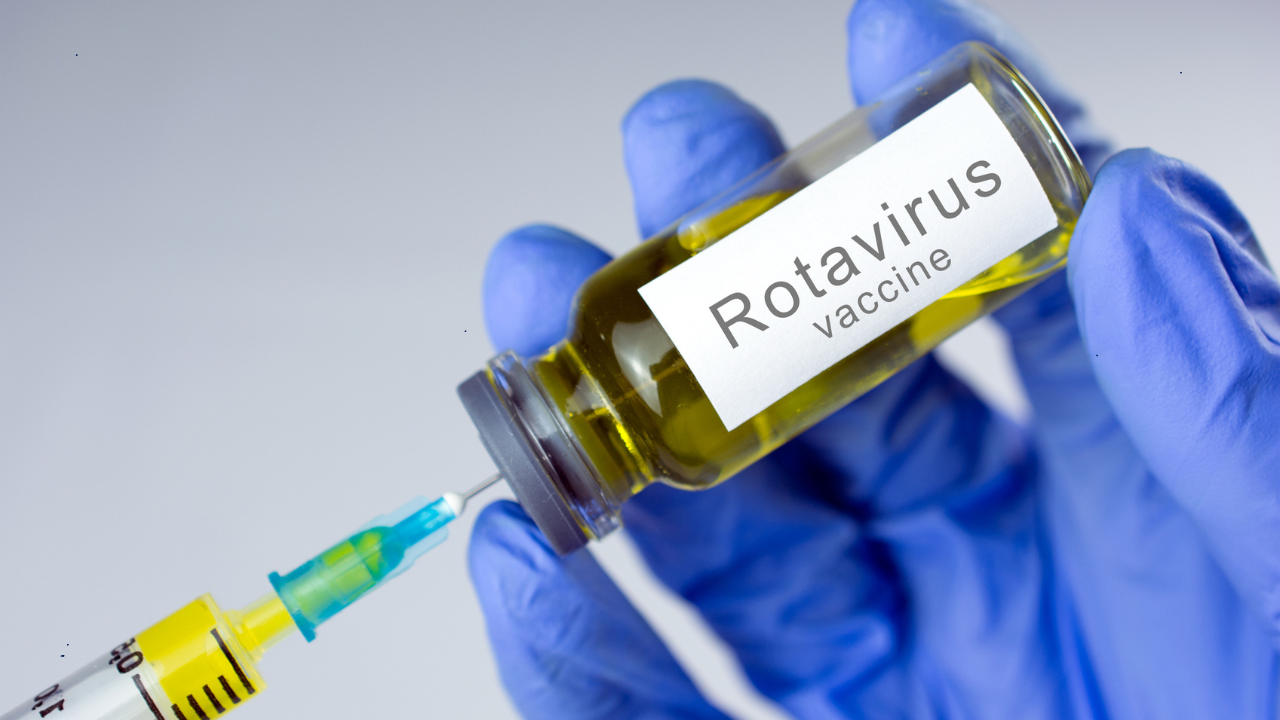
Rotavirus has been increasingly detected in wastewater in several California cities, sparking concerns about the risk of the deadly and highly contagious virus in young children. The virus is highly contagious and known for causing fever, vomiting, and severe watery diarrhea among small children. Older children and adults with weakened immune systems also are vulnerable, according to the US Centers for Disease Control and Prevention (CDC). As per data from WastewaterSCAN, “high concentrations” of rotavirus have been found in Marin, Redwood City, San Jose, and Santa Cruz, while moderate concentrations have been found in Sacramento, Davis, San Francisco, Sunnyvale, Fremont, Vallejo, and Novato, The Sacramento Bee reported. "It's extremely contagious," Dr. Monica Gandhi, an infectious disease specialist at UC San Francisco, told SFGATE Thursday, explaining that rotavirus is one of the lesser-known gastrointestinal illnesses. According to UCSF, approximately 50,000 children in the US are hospitalized with it each year. What Is Rotavirus? Rotaviruses are the most common cause of severe diarrheal disease in infants and young children worldwide. The virus, a member of the reovirus family, affects the vast majority of children worldwide before the age of 3 years, and in most developing countries before the first birthday. The virus causing the infection was discovered in 1973, according to the National Institutes of Health. It causes severe diarrhea, often leading to dehydration, which can be severe, requiring hospitalization. It is transmitted by the fecal-oral route directly from person to person, indirectly through contaminated objects. Rotavirus causes more than 125 million cases of diarrhea each year in children and infants worldwide. Following an incubation period of 1–3 days, children and older adults suffering from rotavirus may experience: transient loose stools severe diarrhea vomiting, dehydration, electrolyte disturbances, shock, death if rehydration is not provided.While the gastrointestinal symptoms normally resolve within 3–7 days, they may last for up to 2–3 weeks.Is Rotavirus Preventable By Vaccine?The CDC suggests administering the rotavirus vaccine among children because hand-washing alone isn't enough to curb the illness from spreading. The regulator recommends that "most infants" receive it to protect them from the "potentially serious disease." WHO-prequalified rotavirus vaccines have been available since 2008, and there are currently four vaccines available. They are all live, oral vaccines. RotaTeq, Rotavac, and ROTASIIL should be administered in a 3-dose schedule, while a 2-dose schedule should be used for Rotarix. A minimum interval of 4 weeks should be maintained between doses, the WHO said. In addition, key measures to prevent diarrhea include the following: access to safe drinking water use of improved sanitation hand washing with soap exclusive breastfeeding for the first six months of life good personal and food hygiene health education about how infections spread.