
- Health Conditions A-Z
- Health & Wellness
- Nutrition
- Fitness
- Health News
- Ayurveda
- Videos
- Medicine A-Z
- Parenting
Delhi High Court Permits JNTL to Sell ₹180-Crore ORSL Stock Despite FSSAI Dispute

Credits: Canva
The ongoing dispute over the use of “ORS” in beverage branding has escalated, as the Delhi High Court granted interim protection to JNTL Consumer Health (India), producer of the popular hydration drink ORSL.
Meanwhile, Hyderabad paediatrician Dr. Sivaranjani Santosh, who has long campaigned against the use of “ORS” in food and beverage names, reiterated her call for the Food Safety and Standards Authority of India (FSSAI) to enforce its recent ban rigorously.
Delhi High Court Grants Interim Relief to JNTL in ORSL Branding Dispute
The regulatory clash over the use of “ORS” in beverage branding has entered a new phase, with the Delhi High Court granting interim protection to JNTL Consumer Health (India), maker of the popular hydration drink ORSL.
The order follows JNTL’s challenge to the Food Safety and Standards Authority of India (FSSAI), which had abruptly withdrawn earlier permissions allowing the use of “ORS” with prefixes or suffixes in product trademarks. The company argued that the sudden decision—without prior notice, consultation, or hearing—threatened the sale of its existing stock, valued at approximately ₹180 crore.
The High Court’s temporary relief permits JNTL to continue selling its current stock until FSSAI addresses the matter, though production of new high-sugar ORSL variants remains on hold.
What is ORS?
Oral Rehydration Salts (ORS) are a crucial treatment for dehydration, particularly in children suffering from severe diarrhoea, heat-related illnesses, or conditions that lead to significant fluid loss. ORS consists of a precise combination of salt and sugar that is mixed with clean water. When used correctly, it replenishes fluids and electrolytes effectively, helping to manage childhood diarrhoea. It is essential to administer ORS under medical guidance, as improper use can be harmful and may lead to salt toxicity. This underscores the importance of clear labeling and the use of approved formulations.
Regulatory Context and Public Health Concerns
FSSAI’s 15 October clarification prohibits the use of “ORS” on any food or beverage label unless it is a genuine WHO-formula product. The regulation came after years of advocacy by doctors and health experts, including Hyderabad-based paediatrician Dr. Sivaranjani Santosh, who hailed the original ruling as “a people’s victory.”
While the court’s interim protection offers short-term relief for JNTL, public health advocates stress that decisive regulatory action is necessary to prevent misleading branding that could harm children.
A Doctor’s Persistent Campaign
For Dr. Sivaranjani, a senior paediatrician, first aid trainer, and social activist, the court order represents another chapter in an eight-year campaign to protect children and families from products misleadingly marketed with medical-sounding names. She was among the first to warn that commercial beverages labeled as ORS were often high in sugar and nutritionally different from the WHO-recommended Oral Rehydration Solution, a life-saving treatment for dehydration caused by diarrhoea or vomiting.
In a statement following the court order, Dr. Sivaranjani said, “The long battle we have won! ORSL cannot produce new high-sugar ORSL, but it wants to clear out its existing ₹180 crore stock. India, please stand with me! People’s power has to win against corporate lobbying.”
She further alleged that companies were attempting to influence media coverage and that she had received online threats for speaking out. “They are even reaching out to the media and threatening them with legal notices,” she said, urging citizens to raise awareness and pressure regulators to act swiftly.
Nipah Virus Will Not Spread Outside Of India, WHO Assures
Credit: Canva
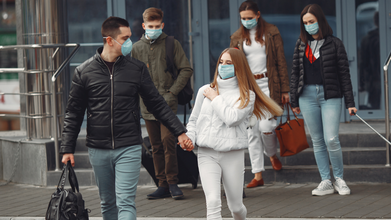
The World Health Organization has declared it is unlikely India's deadly Nipah Virus outbreak will cross borders and reach other nations, noting that countries do not need to set any travel restrictions in place.
In an email to Reuters, officials said: "The WHO considers the risk of further spread of infection from these two cases is low". adding that India has the capacity to contain such outbreaks.
"There is no evidence yet of increased human to human transmission," it said, adding that it has coordinated with Indian health authorities.
Earlier this month, two hospital nurses at AIIMS, Kolkata, had tested positive for the infection and were quarantined, prompting widespread testing. As of January 30, five cases, including a doctor and a staff member, were confirmed and nearly 100 people have been quarantined.
While health officials state it is nearly impossible for the virus to transmit across countries and unlikely to cause an international outbreak, countries including Australia, Vietnam, Thailand, Malaysia and Singapore continue to remain on high alert and have begun airport screenings.
Nipah Virus: What Is It And What Are Its Symptoms?
According to WHO, Nipah virus is a zoonotic illness which means it is mostly transmitted from animals to humans through bats. However, it can also spread through fruits that have been contaminated by the saliva, urine or droppings of infected bats. Human-to-human transmission can also occur through close contact with an infected person or their bodily fluids.
The illness has a 75 percent fatality rate and there are no vaccines to protect the public.
The virus was first identified in 1998 during an outbreak among pig farmers in Malaysia and soon made its way to India and Bangladesh in 2001 with cases often involving family members or caregivers tending to infected patient.
READ MORE: Nipah Virus Outbreak In India: How To Stay Safe?
Although Nipah virus has caused only a few known outbreaks in Asia, it infects a wide range of animals and causes severe disease and death in people. Some of its common symptoms include:
- Fever
- Headache
- Breathing difficulties
- Cough and sore throat
- Diarrhea
- Vomiting
- Muscle pain and severe weakness
In 2018, another outbreak occurred in Kerala, India, where 23 confirmed and suspected cases were reported. The virus spread across three hospitals, with both primary and secondary infections traced back to one initial patient.
Samples collected from the patient’s home and workplaces, including pets and partially eaten fruits dropped by bats, all tested negative for the virus, and the exact source of the infection could not be identified.
What Do Doctors Say?
Experts are now cautioning people against the zoonotic nature of the viral infection. Rajeev Jayavedan, the former president of the Indian Medical Association, Cochin, told The Independent, that infection among humans are rare and caused by the accidental spillover due to the human-bat interface, which means consumption of fruits that may have been infected by bats.
“This is more likely in rural and forest-adjacent areas where agricultural practices increase contact between humans and fruit bats searching for food,” he said.
Health and Me previously reported on how doctors are now advising people to be cautious while eating food. Speaking to TOI, Dr Aishwarya R, Consultant, Infectious Diseases at Aster RV Hospital advised people against eating certain food, including fruits fallen from trees, unpasteurized date palm sap and any other fruits without washing.
The doctor explained that this infection can spread with an infected animal which could bite fruits and spread the virus through their saliva.
Punjab & Haryana HC Ends 19-Year Legal Battle Over Denied Heart Surgery Reimbursement
Credits: Live Law
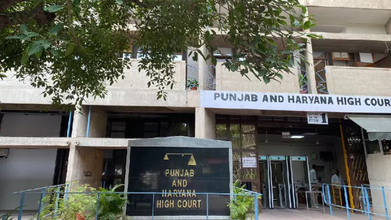
The Punjab and Haryana High Court, after 19 years, has finally ended the case of medical reimbursement of heart surgery from a non-empanelled hospital. The surgery happened in 2002. This was a government school teacher, Bhupinder Singh, from Government Elementary School, Phus Mandi, Mansa, who had undergone coronary artery bypass surgery at Escorts Heart Institute and Research Centre in Delhi. The bill was of Rs. 2,20,677 and Rs 11,000 during his admission from November 18 to 30 that year.
Justice Sudeepti Sharma dismissed the earlier regular second appear filed by the State of Punjab, upholding the 2006 order of district judge, Mansa, that allowed the reimbursement.
The court observed that Singh was referred to the hospital through official government channels after an angiography showed serious cardiac issues. It also noted that Escorts Heart Institute was a recognized center for open-heart surgery under a 1991 Punjab government notification, along with Christian Medical College, Ludhiana, and Apollo Hospital, Madras.
The Cycle Of Reimbursement Finally Ends
The judgment referred to official records showing that the referral was made by the Punjab Health Systems Corporation because of the patient’s critical condition. It also relied on a 1995 government instruction stating that prior approval from a medical board is not required in life-threatening emergencies.
The court came down strongly on the delay in deciding the case, expressing anguish over the 19-year wait. The judge noted that reimbursement matters should be settled promptly, pointing out that the patient had been pursuing his claim since 2002, only for it to take nearly two decades to reach a decision.
Justice Sharma noted: “The government should be liberal in framing the policies for medical treatment and reimbursement since a person in pain is not expected to choose the hospital and would prefer the nearest one only.”
Read: Andhra Pradesh May Ban Social Media for Under-16s To Protect Teenagers
One More Medical Expense Case Allowed
In another news, in the case of another government employee asking for reimbursement from a non-panelled hospital, the Punjab and Haryana high Court under the judgment directed the Haryana Government to reimburse the remaining medical expenses of a government employee incurred for the emergency treatment of his wife, in a non-empanelled private hospital. Justice Sandeep Moudgil said that the denial of reimbursement without reasons is arbitrary and violative of the right to life under Article 21 of the Constitution.
Read: Delhi High Court Permits JNTL to Sell ₹180-Crore ORSL Stock Despite FSSAI Dispute
The court also found a violation of Article 14. It stated that such rigid application or procedural during a pandemic is arbitrary and unequal treatment. The petition was filed by CRPF personnel Balhar Singh, who is seeking the reimbursement for his wife's medical treatment, which were rejected on technical grounds during the COVID-19 pandemic. Singh began his wife's treatment at an empanelled CGHS hospital in Chandigarh, with limited facility, however, he was compelled to seek further cardiac care at a private hospital with better facilities.
"The medical records established that both the petitioner and his wife faced urgent cardiac emergencies, making the treatment unavoidable. The repeated rejection of the petitioner and his wife's medical reimbursement claims during the COVID-19 pandemic amounts to a clear violation of constitutional rights."
Andy Kershaw Diagnosed With Spinal Cancer That Left Him Unable To Walk

Credits: Wikimedia Commons
Andy Kershaw, the legendary Radio 1 DJ is diagnosed with cancer that has left him "unable to walk". Now 66, Kershaw revealed that tumors found in his spine back in August 2025 has left him unable to walk. He, however joked, as Daily Star reported, "I am determined not to die before Benjamin Netanyahu, Vladimir Putin, Donald Trump and Ant n Dec. That should keep me going for a while."
Kershaw's friend Peter Everett said, "My friend Andy has been going through a difficult time. Last August he was diagnosed with cancer, mainly affecting his spine and making him unable to walk. Since then he has been undergoing treatment, including chemotherapy, radiotherapy, physiotherapy and a lot of scans and painkillers. Although we have not been able to put together any podcasts in the last six months, we are very grateful to all the patrons and supporters who have stuck with us."
Andy Kershaw Diagnosis: What Are Spinal Tumors?
A spinal tumor is an abnormal growth of cells within or surrounding your spinal cord. Spine is a long flexible column of bones that protects the spinal cord. Usually the spinal tumors are located inside of the spinal cord, in the tissues that cover spinal cord, between the tissues and bones of spine, or in the bone vertebrae of spine.
Tumors that develop on spine are called spinal tumors. Most spinal tumors result from cancer metastasis, which means the cancer has spread from another area of your body to your spine. However, Kershaw has not clarified how his tumor was detected and whether it has spread from another cancer in the body.
Spinal Cancer: Malignant Tumors of the Spine
Most spinal cancers develop within the spinal column itself and do not directly involve the spinal cord. Several types of cancer can affect the spine, either by starting there or spreading from other parts of the body. These include:
Osteosarcoma: A form of bone cancer that can originate in the spine, though it is more commonly found in the long bones of the legs, such as the thigh and shin.
Chondrosarcoma: This cancer begins in cartilage cells surrounding the bone. While it is rare in the spine, it can sometimes arise as a primary tumor in the bones that make up the spinal column.
Multiple myeloma: A blood cancer that affects plasma cells. These abnormal cells accumulate in the bone marrow and the outer layer of bones, with the spine being a frequent site of involvement.
Lymphoma: A group of cancers that affect lymphocytes, which are key cells of the immune system. Lymphoma can develop in the spine as a primary tumor, but more often it starts elsewhere in the body and later spreads to the spine.
Chordoma: A rare malignant bone tumor that forms within the spinal column. It can occur anywhere along the spine but is most commonly diagnosed in the sacrum, the bone at the base of the spine.
Ewing sarcoma: A cancer that affects both bone and surrounding soft tissue. It is uncommon in adults and accounts for roughly one percent of childhood cancers.
- Follow Us :


© 2024 Bennett, Coleman & Company Limited