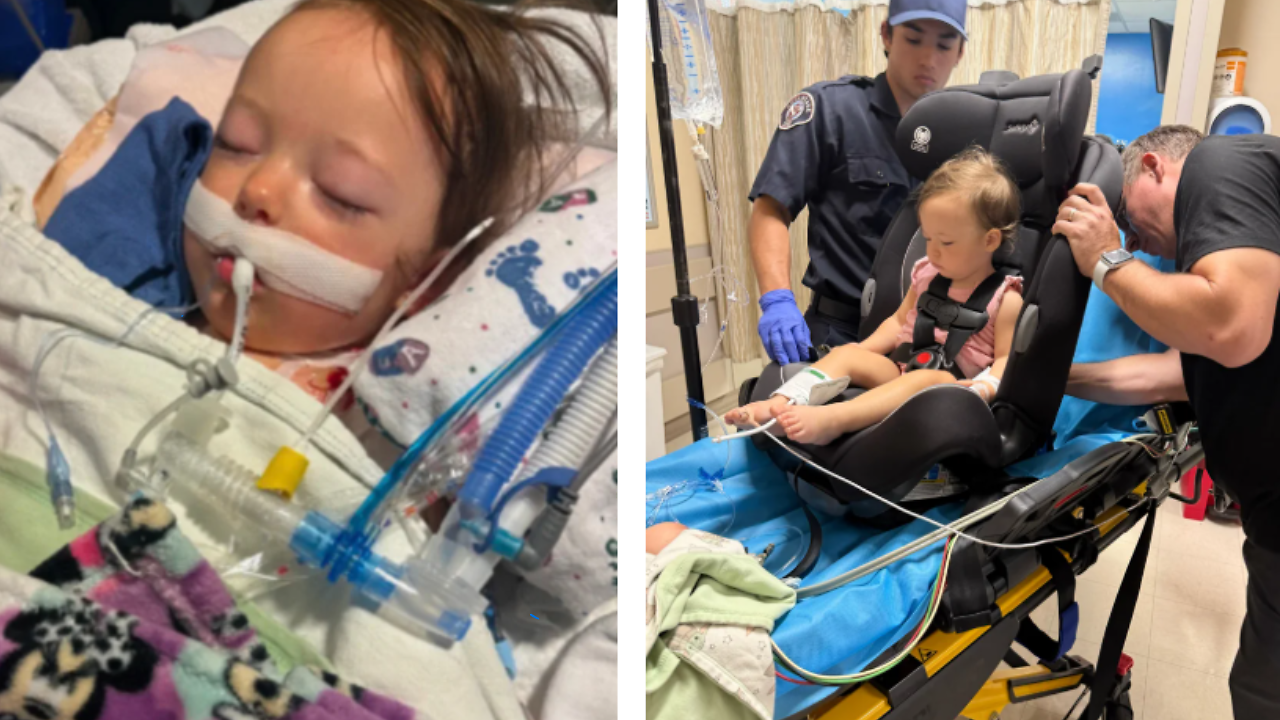
Raw milk is often promoted as a natural alternative to pasteurized milk. But unpasteurized milk can carry harmful bacteria, including E. coli, Salmonella and Campylobacter.Two young girls in California — 17-month-old Brooklyn and 6-year-old Victoria — were hospitalized with severe E. coli infections after drinking raw goat milk from the same farm, ProPublica reported.Brooklyn developed hemolytic uremic syndrome (HUS), a potentially life-threatening complication of E. coli infection, and nearly died.Doctors suspected the raw milk was the source of the infections.How Did Brooklyn Get Sick?Brooklyn’s mother, Emily Marris, had been looking for an alternative to formula after breastfeeding her daughter for a year. As she could not continue breastfeeding due to a medication for chronic hip pain, she tried cow’s milk, which left Brooklyn with constipation. Marris was then guided to raw goat milk in a Facebook group run by her chiropractor.Members recommended it, claiming goat milk was easier to digest. The group also directed her to MoonLight Ridge Farm. Also read: Unsafe Sleep Factors Linked To 73% Of Sudden Unexpected Infant Deaths In US: CDCBrooklyn Developed Severe E. Coli InfectionBrooklyn drank the raw milk for about six months. But on June 2, Brooklyn suddenly began vomiting. Her condition rapidly worsened and she was transferred to Rady Children’s Hospital in San Diego.Doctors diagnosed her with hemolytic uremic syndrome (HUS), in which blood clots damage small blood vessels and can cause kidney failure.A stool test confirmed E. coli O157:H7. Doctors suspected the raw milk was the likely source.Brooklyn required intensive care, including a breathing tube and dialysis. Her condition became so severe that her parents feared she would not survive. She also went into cardiac arrest three times.E. coli can live in animal intestines and contaminate milk through fecal matter. Even a small amount can cause infection.Victoria Also HospitalizedBrooklyn was not the only child affected. Six-year-old Victoria, who had also consumed milk from the same farm, was treated at the same San Diego hospital for a severe E. coli infection and required blood transfusions.There are more children suffering from severe infections after drinking raw milk. In the past two years alone, hundreds had fallen ill across nine states from drinking raw milk or eating products made with it, as social media influencers and President Donald Trump’s White House continue to promote the unproven benefits of raw milk and downplaying its risks.Read More: Are GLP-1 Drugs Safe for Children? Study Finds Nutritional Deficiency in Nearly 17% Within a YearWhat Happened to the Farm?California regulates raw-milk sales, but ProPublica reported the farm sold unlabeled milk without the required license. However, on August 1, the Food and Agriculture Department found that the farm had sold unapproved raw milk without a CDFA license. It was not penalized, the report said.Brooklyn Faces Long-Term Health ProblemsAfter leaving the hospital, Brooklyn required physical therapy and experienced problems with walking and sleep. Her mother said her development had stalled.Doctors also warned of possible long-term kidney problems and advised regular nephrology follow-up.What Is Raw Milk? Raw milk is milk that has not been pasteurized. Pasteurization uses heat to destroy harmful bacteria and other pathogens.Raw-milk proponents often claim that pasteurization destroys nutrients or improves the health benefits of milk. However, experts say pasteurization does not significantly alter milk’s mineral or protein content.Claims that raw milk improves digestion or boosts immunity have not been scientifically established.How Does Raw Milk Become Contaminated?Raw milk can be contaminated through:Animals: E. coli, Salmonella and Campylobacter can enter milk through infected animals or fecal contamination.Environment and equipment: Polluted water, dirt, manure and contaminated milking equipment can also introduce pathogens.Raw Milk Health RisksRaw milk can cause diarrhea, stomach cramps, nausea and fever. In some cases, infections can become severe or life-threatening.Children, older adults, pregnant women and people with weakened immune systems are particularly vulnerable.Certain E. coli infections can cause HUS, which may lead to kidney failure and other serious complications.Pasteurization destroys harmful bacteria while preserving the nutritional value of milk. The FDA, CDC and American Academy of Pediatrics advise against consuming raw milk because of its foodborne infection risks.