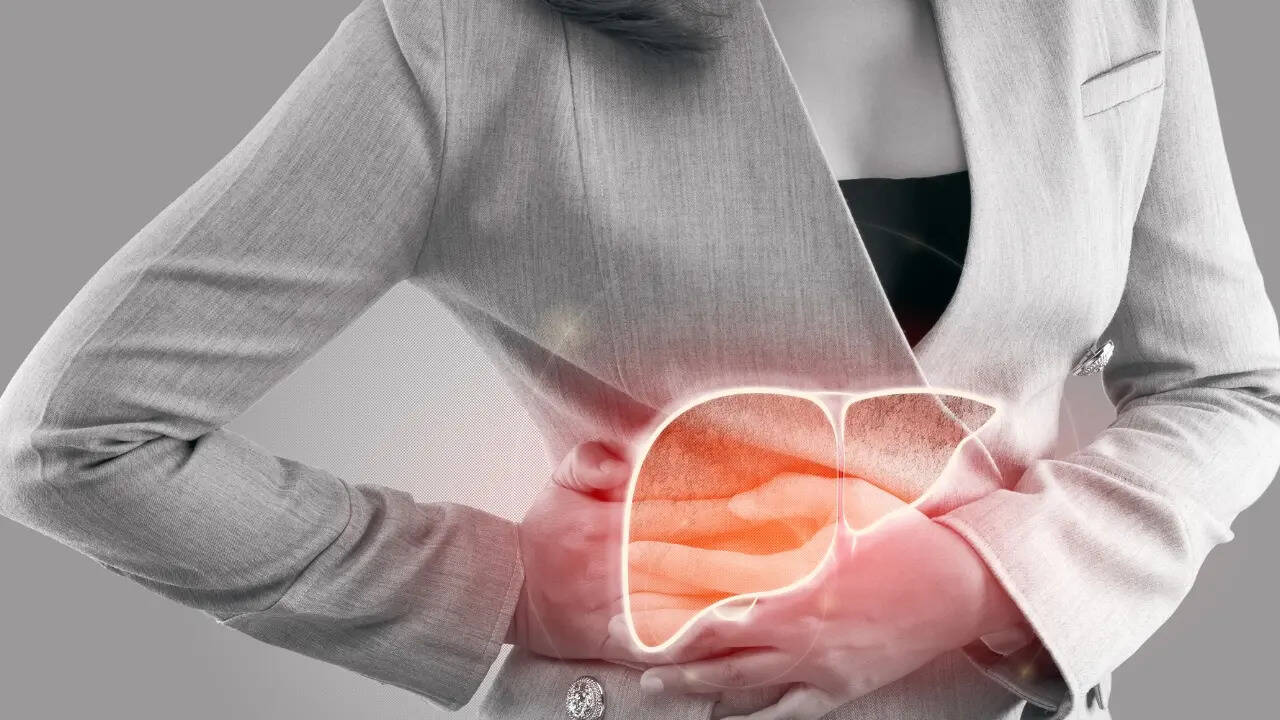
Fatty liver, or non-alcoholic fatty liver disease (NAFLD), refers to the accumulation of excess fat in liver cells in people who consume little or no alcohol. In its early stages, it may seem harmless. However, it is, in fact, the liver’s first warning that the body’s metabolic balance is burdened. What is concerning is who we are now diagnosing. Young adults in their 20s and early 30s, often with no visible signs of illness, are clear evidence of this condition. This is no longer an additional finding but has become routine. Dr Kandarp Saxena, Gastroenterologist, Manipal Hospital, Jaipur, recently spoke about how fatty liver, which is now becoming more common among younger people, may soon become a lifestyle crisis. A Lifestyle That Directly Impacts the LiverIrregular eating habits, such as late-night meals or long gaps followed by overeating, can further throw off the body’s natural metabolic balance. Poor sleep adds another layer, affecting insulin sensitivity and fat metabolism. These are not abstract risks but measurable contributors to how and why fatty liver is developing.Why Most Young Patients Do Not Realise ItUnlike many other conditions, fatty liver does not produce symptoms that prompt early medical attention. In the early stages, the liver continues to function normally, so daily life goes on as usual. There are no obvious signs to suggest that anything is changing beneath the surface.Most diagnoses in this age group are incidental, detected during routine blood tests showing mildly elevated liver enzymes or through ultrasound imaging done for unrelated reasons. The absence of these symptoms is not a favourable feature. It delays recognition at a stage when the condition is most easily reversible.The Indian Risk Profile Is DifferentThe early onset of fatty liver in India cannot be viewed in the same way as in Western populations. South Asians are known to develop metabolic complications at lower body mass indices. This means that even people who appear healthy or not overweight may still carry harmful fat deep inside the body, along with underlying insulin resistance.When this is combined with rapid urbanisation, less movement in daily life, and a growing dependence on calorie-dense foods, it slowly adds up to a higher overall risk. As a result, fatty liver is appearing earlier and progressing faster in this population.From Fat Accumulation to Liver DamageIt is important to understand that fatty liver is not a static condition. In some individuals, simple fat accumulation remains stable. In others, it moves beyond fat build-up and starts irritating the liver, leading to a stage called non-alcoholic steatohepatitis (NASH). This is important because the liver is no longer just holding fat; it is getting damaged.As the damage continues, the liver tries to heal, but this repair leaves behind scar tissue, known as fibrosis. Over time, this scarring can build up and start to affect how well the liver works. If it continues, it can lead to cirrhosis, where the liver becomes heavily scarred and begins to struggle, increasing the risk of liver failure and cancer. This progression does not happen abruptly; it occurs over years, often without clear clinical warning, making early identification critical.Why Early Intervention Is Being MissedDespite being detectable and reversible in its early stages, fatty liver is often not addressed with the urgency it requires. Mild elevations in liver enzymes are sometimes overlooked. Imaging findings are not always followed up with structured intervention. More importantly, younger patients are less likely to be counselled about long-term risk. There is also a tendency to delay action because the condition does not immediately affect quality of life. This delay allows progression that could otherwise have been prevented.Treatment Exists—but Depends on BehaviourThere is no single drug that reverses fatty liver in the way lifestyle modification does. Clinical evidence consistently shows that sustained weight reduction, regular physical activity, and dietary changes can significantly reduce liver fat and, in some cases, reverse early damage. However, these interventions require consistency. Short-term efforts do not produce lasting benefit. Without sustained change, the underlying process continues.A Shift That Needs RecognitionThe increasing prevalence of fatty liver in young Indians is not an isolated clinical observation; it reflects a shift in how disease is presented. When a condition that was once seen later in life starts appearing a decade or two earlier, it changes the health trajectory of an entire population. It raises the chances of long-term complications and means people end up living with the disease for much longer. Fatty liver is now emerging as one of the earliest indicators of this shift.Fatty liver does not begin with symptoms. It begins with accumulation of excess calories, reduced activity, and sustained metabolic imbalance. By the time it is detected, the process is already in motion. The challenge, therefore, is not just in treating the condition but in recognising it early enough to change its course.