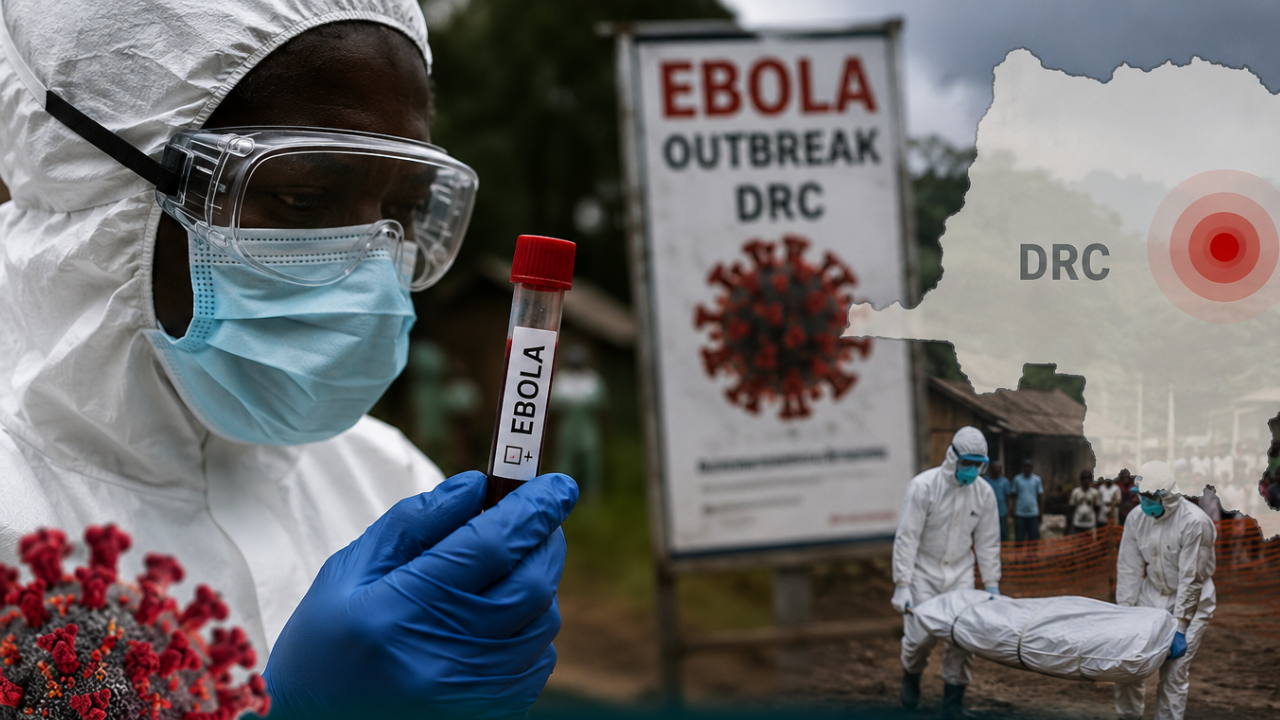
The Ebola outbreak in the Democratic Republic of the Congo (DRC) has reached another concerning milestone. With a surging number of deaths and confirmed infections, the healthcare workers in the affected regions have threatened to declare a strike due to nonpayment of dues, making it challenging to contain a deadly and aggressive outbreak. DRC Ebola Death Toll Reaches 600 With 1759 Confirmed Cases According to Reuters, the total confirmed number of deaths due to Bundibugyo Ebola has reached 600, with 1,759 confirmed infections as of July 9. This comes amid protests demonstrated by healthcare workers in the affected regions, who have threatened to walk off the job due to months of unpaid wages and unsafe working conditions. The outbreak initially affected Ituri, North Kivu and South Kivu provinces, but authorities are now investigating suspected cases in Tshopo province, including Kisangani, sparking concerns that new areas may be affected. The outbreak, caused by the Bundibugyo species of the Ebola virus, has been spreading rapidly since it was declared on May 15. Unlike the Zaire strain, there is currently no approved vaccine or specific treatment for Bundibugyo Ebola virus, making containment and treatment efforts particularly challenging. Currently, experimental therapies are being examined through ongoing clinical trials.Also read: Uganda Says Ebola Is Contained After Nearly Two Months Of Outbreak; Seeks To Get Travel Restrictions Removed Healthcare Workers Protests The worsening outbreak could be even more challenging to contain as the frontline healthcare workers, including treatment staff, laboratory personnel, and burial teams, have been protesting nonpayment of salaries, insufficient protective equipment, and difficult working conditions. According to several reports, many workers say they have not been paid since the outbreak began nearly two months ago. While some have already stopped working, others have warned that a mass walkout could further weaken the country’s Ebola response. The administrative disruption significantly threatens critical epidemic operations like patient care, lab testing, contact tracing, and safe burial procedures, all of which are essential for slowing transmission and effectively containing the outbreak. WHO Says Ebola Outbreak Is Still In Expansion Phase The World Health Organization has repeatedly warned that the outbreak remains in an “expansion phase” due to several reasons, including overwhelmed treatment facilities, population movement, and delays in identifying and isolating infected individuals. WHO also said that the treatment centers in some of the hardest-hit regions are operating near 90% capacity. Infection cases among healthcare workers are another concern that highlights the risks faced by frontline responders. Misinformation about the disease has been rife in several Congolese communities. According to the Council on Foreign Relations, there have been reports that some local communities believe that the disease is a hoax or was brought into the country by Western aid workers who wanted to make a profit. While Ebola is not a new disease, the current outbreak poses a significant threat because it is caused by a rare strain of the virus, Bundibugyo. The rarity of the strain has created scientific and emergency public health challenges, as there is currently no licensed vaccine to protect against the Bundibugyo Ebola virus.