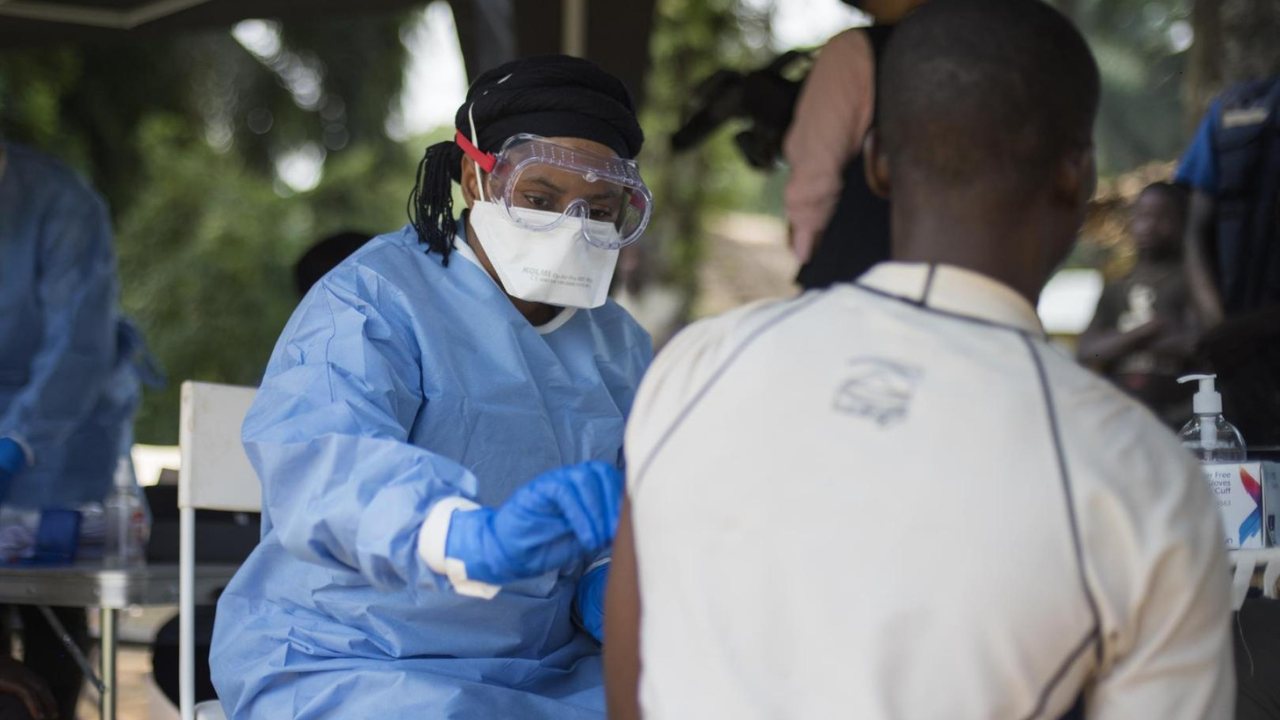
Amid the ongoing Ebola outbreak caused by the Bundibugyo virus in the Democratic Republic of the Congo (DRC), the World Health Organization (WHO) has released its first comprehensive guidelines for the clinical management of filovirus diseases, a group that includes all Ebola and Marburg virus infections.Ebola and Marburg diseases are severe, often fatal illnesses that have caused repeated outbreaks across Africa. Since the discovery of the Marburg virus in 1967, there have been 72 documented outbreaks of Ebola and Marburg diseases.There are currently no licensed vaccines and treatments for Marburg virus disease, as well as Bundibugyo and Sudan virus diseases. Thus, the WHO emphasized that early supportive care remains one of the most effective ways to improve survival."The current Bundibugyo virus outbreak is a stark reminder of the need for diligent, holistic and person-focused medical care to save lives and preserve human dignity. We encourage governments and authorities to integrate these new recommendations into preparedness and outbreak response to ensure high-quality care for everyone," said WHO Director-General Dr. Tedros Adhanom Ghebreyesus.Also read: Ebola Bundibugyo Outbreak: UK Scientists Identify 23 Unique MutationsWhat Do The New Guidelines Recommend?The WHO has previously published disease-specific guidance on Ebola care and therapeutics. However, the newly released guidelines are the first to provide a comprehensive framework covering all filovirus diseases, including Ebola and Marburg.Developed through consultations with global experts and based on the latest scientific evidence, the guidelines contain 16 evidence-based recommendations focused on improving supportive care and reducing mortality.The recommendations are designed to help frontline healthcare workers:Identify clinical deterioration earlyManage dehydration and shock effectivelyImprove patient monitoringDeliver critical supportive interventions safelyProvide structured follow-up care for survivorsKey Recommendations include:Prioritizing Laboratory TestingRapid Treatment of DehydrationEarly Management of ShockTreatment should be guided by continuous monitoring of vital signs and indicators of tissue perfusion.Treat Secondary Bacterial InfectionsProvide Long-Term Follow-Up CareThe WHO also recommended structured after-care programs for survivors to support recovery, improve long-term well-being, and reduce the risk of infections linked to viral persistence after recovery.Supportive Care Remains Critical For Bundibugyo virus disease and other filovirus infections, WHO stressed that early recognition, rapid referral, and optimized supportive care remain the foundation of patient management.Effective supportive care can reduce complications, improve survival, and provide the basis for evaluating potential antiviral treatments through future clinical research.Ebola Outbreak Faced Major Contact-Tracing GapsMeanwhile, the Africa Centers for Disease Control and Prevention (Africa CDC) has raised concerns about significant weaknesses in contact-tracing efforts during the ongoing outbreak.According to Africa CDC Director-General Dr. Jean Kaseya, more than 28,000 people who have been in contact with confirmed Ebola patients are currently not being monitored.Responders should be tracking approximately 33,080 contacts, but only 4,112 are being actively followed, he said during a high-level meeting.The agency warned that the outbreak is spreading at a pace that surveillance systems are struggling to keep up with.Read More: Ebola Survivors May Face COVID-Like Memory Loss and Brain Issues For Over 7 Years: NIH StudyEbola: More Than 800 Confirmed CasesAs per latest update till June 15, there are 827 confirmed Ebola cases linked to the outbreak in the Congo and 196 confirmed death. Health officials estimate that each infected person may have come into contact with around 40 other individuals, creating a large pool of people at risk of infection.Because Ebola can take up to 21 days for symptoms to appear, all identified contacts should ideally be monitored throughout the incubation period.Africa CDC officials cautioned that without stronger surveillance and contact-tracing efforts, controlling the outbreak will become increasingly difficult, despite advances in clinical care and patient management.