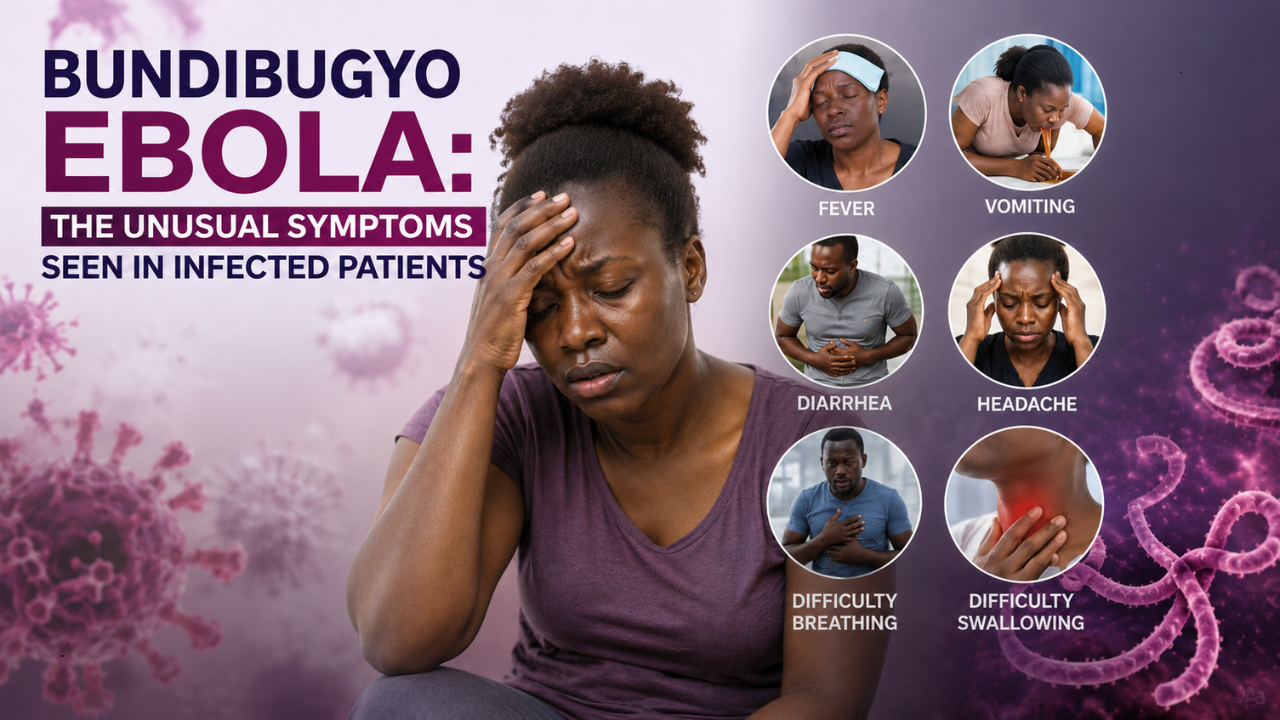
The Ebola outbreak in the Democratic Republic of the Congo (DRC), driven by the Bundibugyo virus, continues to grow rapidly.According to the latest government data, the number of confirmed cases in the DRC has risen to 1,118, including 291 deaths.As of June 24, Uganda had reported 20 confirmed cases, including two deaths. The most recent case was reported on June 21, and no new cases have been recorded since.Among the confirmed cases in Uganda, 15 had travel links to the DRC and five were linked to local transmission.Outside Africa, France has reported a confirmed Ebola case in a doctor who returned from a humanitarian mission in Ituri province, the hardest-hit region in the DRC, with 997 confirmed cases and nearly 280 deaths.What Makes Bundibugyo Virus Unique?Also read: Ebola Bundibugyo Strain: All You Should Know About The Rare Virus Bundibugyo is one of the rarest Ebola virus strains. There have been only two previous outbreaks: one in Uganda in 2007 and another in the DRC in 2012, with case fatality rates of 32% and 55%, respectively.A key difference is that there is currently no approved vaccine for the Bundibugyo strain. Vaccines are available for the Sudan and Zaire Ebola strains, but treatment for the Bundibugyo virus remains limited to supportive care.The Unusual Symptoms Seen in Bundibugyo PatientsIn a Correspondence published in The New England Journal of Medicine (NEJM), researchers from the Institut National de Santé Publique in Kinshasa analyzed the clinical characteristics of Bundibugyo virus disease (BVD).Researchers recorded symptoms in 405 patients with confirmed BVD and 516 people who tested negative.Among confirmed BVD patients, the most common symptoms were:Fever (74.3%)Diarrhea (67.4%)Vomiting (66.7%)Headache (42.2%)Loss of appetite (39.5%)Abdominal pain (37.3%)Difficulty breathing (34.1%)Difficulty swallowing (32.8%)Muscle pain (23.5%)Joint pain (22.7%)Notably, bleeding-related symptoms, often associated with Ebola, were relatively uncommon and were reported in only 10.4% of patients at presentation. Bundibugyo: Symptoms That Differed Between Men and Women Read More: Global Hantavirus Response To End On July 2: WHOThe symptom profile was largely similar across age groups and between men and women. However, fever was slightly less common among men, while headaches became less frequent with increasing age. Men were also somewhat more likely to report cough and chest pain, the researchers said.Bundibugyo: Symptoms That Distinguished Confirmed CasesCompared with people who tested negative, patients with confirmed BVD were much more likely to experience gastrointestinal and systemic symptoms.Vomiting: 66.7% vs. 50.8%Diarrhea: 67.4% vs. 49.6%Loss of appetite: 39.5% vs. 17.2%Abdominal pain: 37.3% vs. 16.3%Difficulty breathing: 34.1% vs. 10.9%Difficulty swallowing: 32.8% vs. 10.7%Fever: 74.3% vs. 64.9%Interestingly, bleeding symptoms occurred at almost the same rate in both groups—10.4% among confirmed cases and 10.3% among those who tested negative—suggesting that hemorrhagic signs are not a defining feature of Bundibugyo virus infection.How Was The Study Conducted The researchers reviewed 2,351 recorded cases in the individual-level database for BVD between May 3 and June 8, 2026.Of these, 505 patients (21.5%) had laboratory-confirmed BVD based on PCR testing, while 635 patients (27.0%) who were suspected of having the disease tested negative.Researchers noted that patients with confirmed BVD were demographically similar to those who tested negative. In both groups, most patients were adults aged 20 to 39 years, and women slightly outnumbered men.Higher Viral Load Linked to DeathAmong 253 patients with laboratory-confirmed infection tested using the RADIONE PCR assay in Bunia, Ituri Province, researchers found that patients who died generally had lower cycle-threshold (Ct) values, indicating a higher viral load, than those who survived.Among 129 patients with available symptom-onset and sample-collection dates, the mean delay between symptom onset and testing was 7.4 days, with a median delay of 4.8 days.Earlier diagnosis and treatment could improve survival rates and help reduce virus transmission within communities, the researchers said.