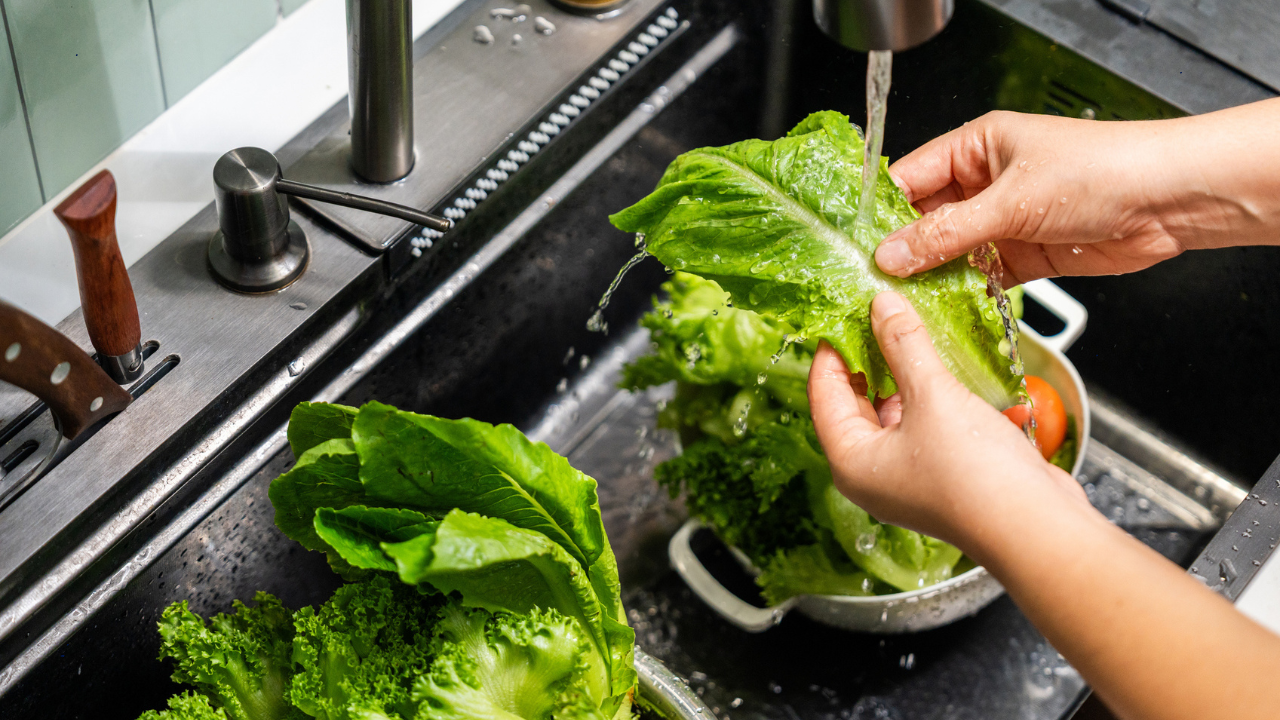
An outbreak of Cyclospora, a microscopic parasite that causes prolonged watery diarrhea, has sickened more than 1,400 people across the United States, with infectious disease experts describing the surge in cases as "definitely abnormal."While the US Centers for Disease Control and Prevention (CDC) is still investigating the source, officials believe the outbreak is likely linked to multiple sources of contamination rather than a single food product.Health officials in Michigan have reported 1,251 Cyclospora infections, a dramatic increase from around 170 cases recorded on June 30. The state typically reports only about 50 cases annually.Ohio has confirmed nearly 200 cases, while New York, Illinois, Indiana, North Carolina, and Texas have also reported an increase in infections. More than 40 people have been hospitalized.Dr. Thomas Moore, an infectious disease specialist and clinical professor of medicine at the University of Kansas School of Medicine-Wichita, described the spike as "definitely abnormal" and concerning, according to The New York Times.Keith R. Schneider, professor of food safety at the University of Florida, noted that Cyclospora infections usually increase between May and August in the United States. However, he said the current surge—particularly in Michigan—is far beyond what is normally expected."Something is going on right now in that area," Schneider told The New York Times.Experts also warned that the reported infections may represent only the "tip of the iceberg," with additional cases expected in the coming weeks, because the infection takes long to manifest.Also read: Crusted Scabies Outbreak: UK Reports Rare Highly Contagious Skin Disease What Is Cyclospora And How Does It Spread?Cyclospora is a microscopic parasite that infects people after they consume food or water contaminated with human feces containing the parasite's eggs (oocysts).Unlike many foodborne bacteria, Cyclospora infections often takes two days to two weeks or more to cause illness after exposure, making it difficult for investigators to identify the original source.Although the illness is usually not life-threatening, it can cause prolonged diarrhea, stomach cramps, nausea, fatigue, bloating, and weight loss.Fresh produce is the most common source of infection, though contaminated water can also spread the parasite. Health officials have not advised people to avoid fresh produce, as investigators have not yet identified the exact food responsible for the current outbreak.Yet, previous US Cyclospora outbreaks have frequently been linked to imported fresh produce, including:BasilCilantroMesclun lettuceRaspberriesSnow peasRead More: Bryan Johnson's Autoimmune Gastritis: US Doctor Explains the Hidden Signs of Autoimmune Disease Handwashing Matters More Than Hand SanitizerExperts emphasize that proper handwashing with soap and water remains one of the most effective ways to reduce the risk of infection.Alcohol-based hand sanitizers do not kill Cyclospora, making soap and water essential after using the bathroom and before preparing or eating food."This type of parasite doesn't easily go away with alcohol-based hand sanitizer. So, good old handwashing is really key here," ABC News medical correspondent Dr. Darien Sutton said.How To Clean Fresh Produce Safely While washing produce cannot eliminate all risk, experts say it can reduce contamination. They advised washing fruits and vegetables thoroughly under clean running water, and washing hands before and after handling fresh produce.According to the Michigan Department of Health and Human Services, cooking produce whenever possible during an active outbreak is crucial, as heating food to at least 158°F (70°C) kills Cyclospora.For specific produce, it suggested:Cilantro and basil: Separate the leaves and rinse each thoroughly under running water.Green onions: Trim off the roots, remove the outer layer, and rinse well.Snow peas: Rub the surface gently while washing under running water.Raspberries: Because of their delicate, uneven surface, raspberries are difficult to clean thoroughly. Cooking them in pies or jams is safer. Freezing may reduce the number of parasites but is unlikely to eliminate them completely.Leafy greens: If possible, choose whole heads of lettuce instead of bagged salad mixes. Discard the outer leaves and wash the remaining leaves under running water before eating.