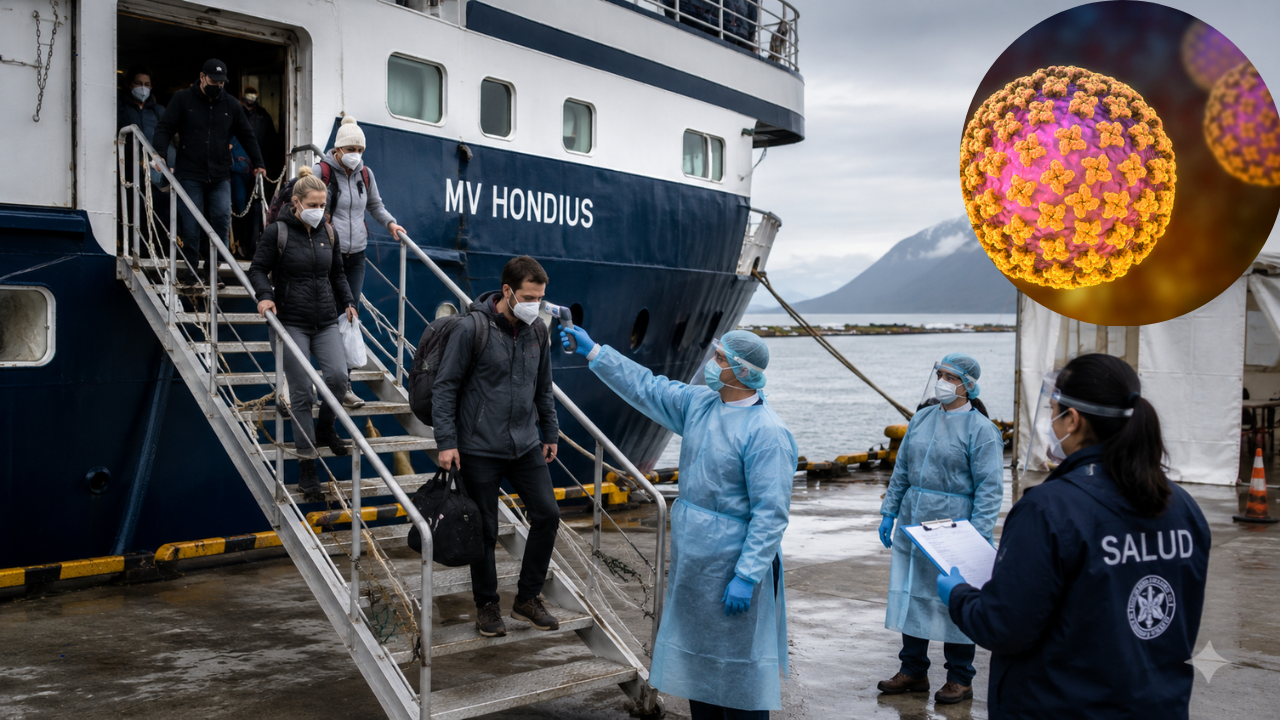
The hantavirus outbreak, which began late in April aboard the MV Hondius cruise ship, is now stable, according to the World Health Organization (WHO). Sharing opening remarks at the 159th session of the Executive Board today, WHO Director-General Tedros Adhanom Ghebreyesus said that no new cases and deaths of the rat-borne virus have been reported. “The hantavirus outbreak is now stable, with one new case in the past two weeks, and no new deaths since May 2,” he said.The outbreak resulted in 12 total cases (10 confirmed, 2 probable) and 3 deaths. “All passengers and crew remain in quarantine and under close monitoring to ensure they receive care if needed,” the WHO Chief added. All the passengers have been repatriated and will be monitored until the quarantine period ends on June 21. The crew will also be quarantined until June 29. A Dutch couple is believed to have been first exposed to the virus while visiting a birdwatching site in Argentina. “There is no sign that we are seeing the start of a larger outbreak. But of course, that could change, and we urge all affected countries to continue monitoring the passengers and crew carefully. I thank the many countries involved in the response,” Tedros said. Also read: WHO Chief Warns Ebola Epidemic ‘Outpacing Us’; India Intensifies Screening At AirportsThe current outbreaks of Ebola and hantavirus remind us that the next pandemic will not wait for us, he noted, urging countries to work on making the Pandemic Agreement operational. The WHO has confirmed that the Andes strain of hantavirus — the only strain known to spread from person to person — is behind the outbreak. The strain has no vaccine.Meanwhile, the Health and Human Services (HHS) Secretary Robert F. Kennedy Jr. said he signed a targeted Public Readiness and Emergency Preparedness Act declaration “to support the development and deployment of medical countermeasures related to the Andes virus” strain of hantavirus.“This action helps remove barriers to research and response efforts while we continue monitoring the recent outbreak linked to the South Atlantic cruise ship,” Kennedy said in a statement posted to social media. “HHS is taking this situation seriously and will continue working to protect public health and support the safe development of potential treatments and countermeasures.”What Is Hantavirus? As per the WHO, hantaviruses are zoonotic viruses that naturally infect rodents and are occasionally transmitted to humans. Globally, an estimated 100,000 to 200,000 hantavirus infections occur each year. The majority of these cases are in Asia, particularly China. Most are sporadic or occur in small clusters, linked to contact with infected rodents. Infection in people can result in severe illness and often death, although the diseases vary by type of virus and geographical location. Notably, the WHO has not specified the type of hantavirus or syndrome in the cruise incident, but did mention respiratory risks. The hantavirus is primarily spread by rodents through exposure to their urine, droppings, saliva, less commonly through a scratch or bite.