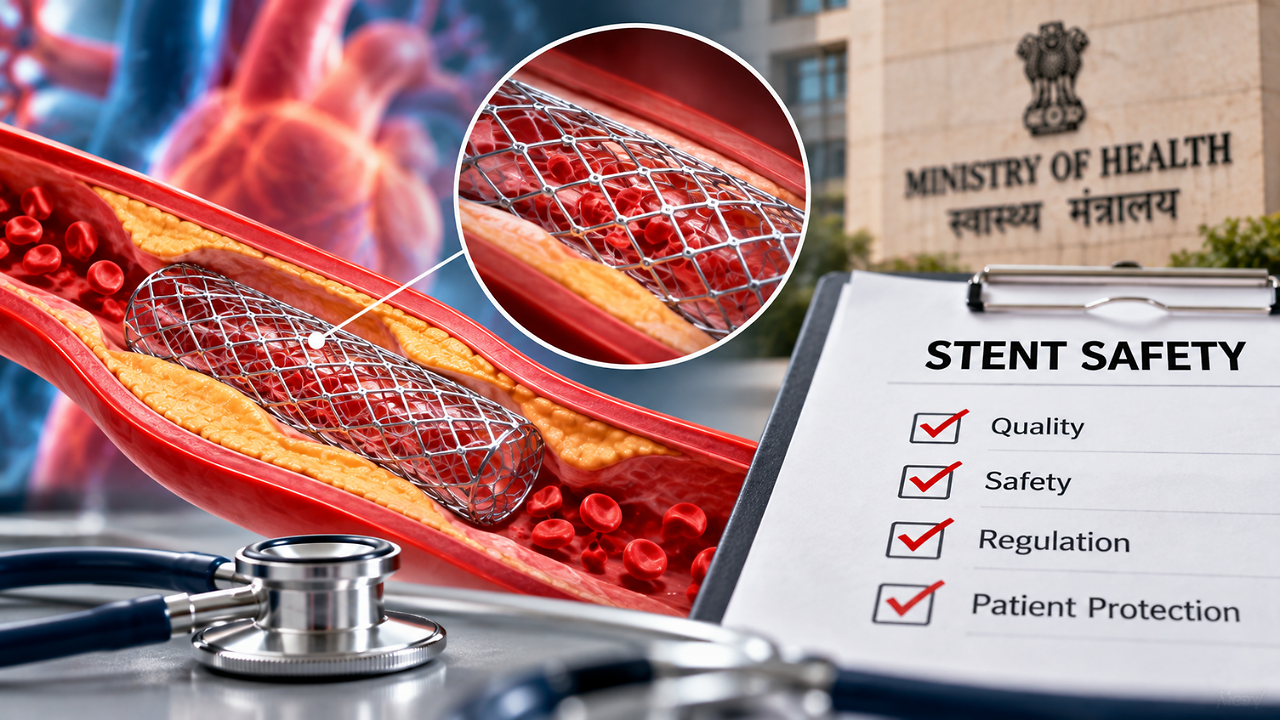
India's Union Health Ministry has been asked to examine concerns over the safety and quality of coronary stents. This comes after three models of drug-eluting stents (DES) made by India-based medical device company, Meril Life Sciences Pvt. Ltd, were reportedly withdrawn in Sri Lanka over quality issues. India-Made Coronary Stent Under Scrutiny Sri Lanka drug regulatory body, National Medicines Regulatory Authority (NMRA), reportedly issued the instructions for withdrawal of these stents in June 2026. The Cabinet Secretariat urged the Health Ministry to look into the concerns on October 5, after a representation by Rajya Sabha member Ajeet Madhav Gopchade who is also a medical doctor. According to Sri Lanka Mirror, the concerns include improper stent positioning, stent dislodgement, acute stent thrombosis, and failure of the devices to expand adequately after implantation. Stent thrombosis occurs when a blood clot forms inside the implanted stent, potentially blocking blood flow to the heart. Acute stent thrombosis is particularly serious because it can lead to a heart attack and requires urgent medical attention. These complications can affect the success of a procedure and may put patients' lives at risk. These issues were identified after an investigation was conducted by the Medical Device Evaluation Committee (MDEC) of the NMRA. The regulatory body also said that these defects necessitate the use of supplementary devices, which resulted in wastage of precious time and unnecessary added expenses. In his representation, Gopchade addresses the media reports about the withdrawal of three stent models in Sri Lanka. Need For Better Monitoring After Stent Implantation Also read: Mammogram May Spot Hidden Heart Risk That Doctors Miss In WomenGopchade urged the government to assess whether India's regulatory system needs further strengthening to address risks that come after coronary stent implantation. In his letter dated October 5, he said the reported developments required closer scrutiny to protect patients. “These reports highlight that Indian-patient-safety issues that India needs to examine carefully and address proactively,” he said in the representation, according to The Economic Times. He called for rigorous device testing, clinical decision-making, and monitoring of complications after stent implantation. He said that safety checks should not end once a medical device has received regulatory approval. Gopchade called for better documentation to ensure that stents are used only when medically indicated, and that alternative treatments are considered first. He also proposed stronger monitoring of the performance of medical devices after they enter routine clinical use. Such monitoring can help spot complications that may not have been apparent during initial testing. Gopchade further urged the government to establish a mechanism for reviewing safety alerts, recalls and withdrawals issued by foreign regulators effectively. This would help authorities assess whether a device flagged overseas is also being marketed or used in India and whether investigation is needed. What Are Coronary Stents? Coronary stents are small, mesh-like tubes that are placed inside narrowed or blocked coronary arteries to help restore blood flow to the heart. They are used during angioplasty, a procedure that opens blocked arteries in people with coronary artery disease. Drug-eluting stents release medication over time to reduce the risk of the artery narrowing again. While these devices can help restore blood flow and improve cardiovascular health, their safety depends on their quality, correct placement, and post-procedure care.