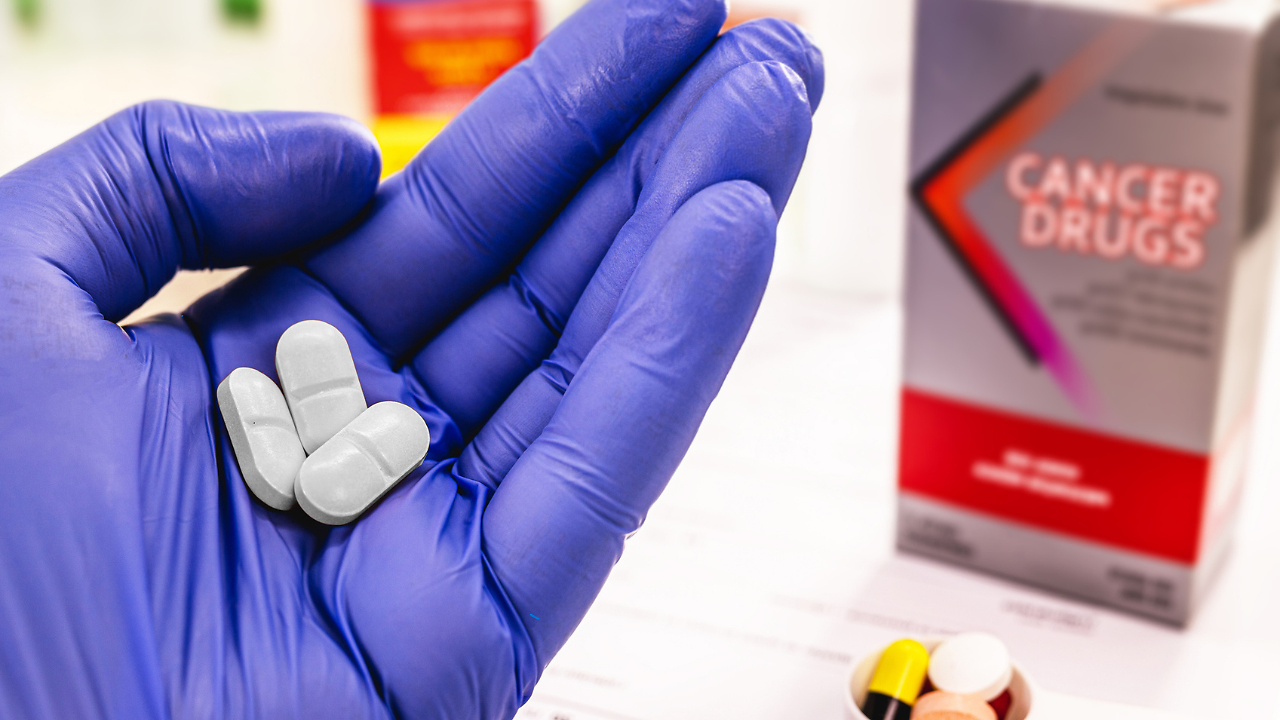
Cancer is a dreaded diagnosis. Along with the physical and emotional toll, patients and their families face the financial burden of treatment, as cancer medicines can be extremely expensive. In a major relief for patients, India has approved a cap on the trade margins charged in the supply and sale of non-scheduled anti-cancer medicines.According to the Department of Pharmaceuticals under the Ministry of Chemicals and Fertilizers, these margins will be capped at 30% of the Maximum Retail Price (MRP).“The measure is expected to reduce medicine prices by up to 70% and help cancer patients save Rs 2,500 crore annually, significantly reducing the amount they pay from their own pockets,” the Ministry said in a statement.Essential cancer medicines included in the scheduled list are already subject to government-mandated ceiling prices. The new decision extends price protection to non-scheduled cancer medicines, which fall outside that list, by limiting the trade margins added as medicines move through the supply chain.Rising Cancer Burden And Drug CostsAlso read: Indian Medical Industry Backs Maharashtra FDA Crackdown On Device MarkupsCancer treatment places a substantial financial burden on patients and their families, who often have to pay significant amounts out of pocket. In India, approximately 60 people per lakh population are affected by cancer.According to a National Pharmaceutical Pricing Authority (NPPA) analysis of market data, non-scheduled anti-cancer medicines carry an average price markup of approximately 170%, reaching 700% or more in some cases.Prices can rise sharply as a medicine moves through the supply chain before reaching the patient. They also vary significantly depending on whether medicines are purchased from retail pharmacies, hospital pharmacies or online pharmacies.The new cap aims to curb excessive trade margins, address unfair pricing practices and help ensure fairer prices for patients, particularly those who require expensive cancer medicines.Supreme Court Flags Steep Markups On Cancer DrugsRead More: Antibiotic Costing ₹86 Carries MRP Of ₹4,528: Karnataka FDA Flags Massive Drug Price GapsState authorities, including those in Maharashtra, Rajasthan and Karnataka, along with patients and civil society groups, have raised concerns about excessive medicine prices.Recently, the Supreme Court also questioned the Centre over the steep prices of life-saving medicines, particularly cancer drugs.The Court pointed to the absence of adequate price-control mechanisms and sought to know why certain medicines remain outside the scope of the Drugs (Prices Control) Order (DPCO).During the hearing, Justice Sandeep Mehta highlighted the significant markups on cancer medicines, citing an example in which a drug supplied to retailers for approximately Rs 3,000 was being sold at an MRP of Rs 27,000.“27,000 MRP of a cancer drug, price to retailer is around 3000. Just see the drastic difference,” Justice Mehta stated.The Bench also questioned the government over the absence of a uniform criterion of 16%. The Court had previously flagged a similar instance involving a cancer medicine priced at Rs 2,700 but sold for Rs 27,000, raising concerns about the financial burden on patients who require life-saving treatment.In February 2019, at the government's direction, the NPPA capped trade margins on 42 selected non-scheduled anti-cancer medicines under Paragraph 19 of the Drugs (Prices Control) Order, 2013.The decision reduced MRPs by up to 91%, with reported annual savings of ₹984 crore across 526 brands. It significantly eased the financial burden on cancer patients.Which Cancer Drugs Will Be Covered?The intervention will cover non-scheduled anti-cancer medicines across categories, including branded and generic, domestically produced and imported, and patented and non-patented drugs.An expert committee under the Directorate General of Health Services (DGHS) will finalise the list of medicines to be covered. The NPPA will then take a decision and issue the notification.The Ministry said manufacturers of non-scheduled anti-cancer medicines will be required to maintain their current production levels to ensure that these life-saving drugs remain available.