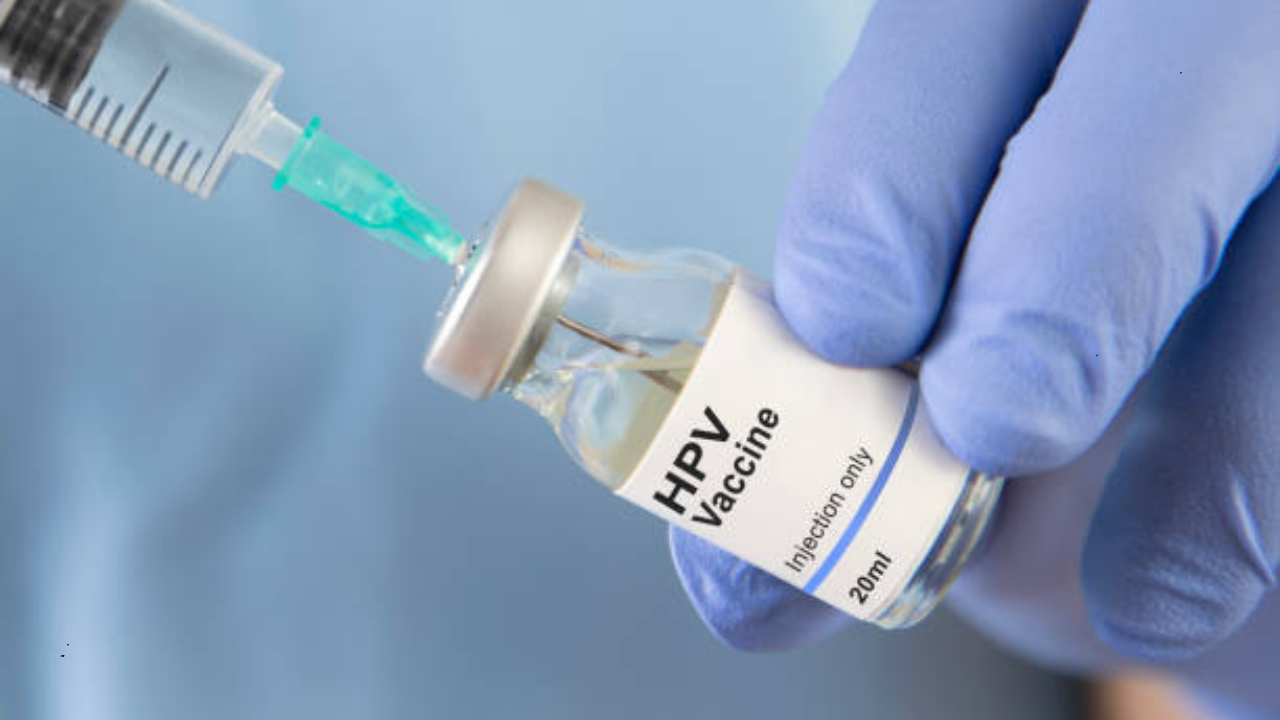
A total of 52,10,302 girls across India have received the Human Papillomavirus (HPV) vaccine under the nationwide campaign launched by Prime Minister Narendra Modi in February, the government informed Parliament during the ongoing Monsoon Session. The nationwide vaccination campaign for 14-year-old girls was launched from Rajasthan's Ajmer as part of India's efforts to eliminate cervical cancer. “The nationwide HPV vaccination campaign was launched on February 28, for approximately 1.2 crore eligible beneficiary girls aged 14 years across all 36 States and Union Territories. As of July 15, a total of 52,10,302 girls have received the HPV vaccine across the country,” Union Minister of State for Health and Family Welfare Anupriya Patel said in a written reply in the Rajya Sabha. Free HPV VaccinationRead More: Fact Check: Common Myths Around HPV Vaccine And How It Will Prevent Cervical CancerThe Minister said the HPV vaccine is being provided free of cost at designated government health facilities, including: Ayushman Arogya Mandirs–Primary Health Centers (PHCs) Community Health Centers (CHCs) Sub-District Hospitals (SDHs) and District Hospitals (DHs) Government Medical Colleges (GMCs) Patel added that extensive training on HPV vaccination has been completed for medical and paramedical staff across all 36 States and Union Territories. She also said the government's cervical cancer prevention strategy includes HPV vaccination, screening, early diagnosis at Ayushman Arogya Mandirs (AAMs), and treatment through Day Care Cancer Centers (DCCCs). Immunization Coverage Remains Above 90% The Minister also updated Parliament on India's immunization program. “As per the National Health Policy 2017 goals, the National Full Immunization Coverage has been maintained more than 90% for the last four years,” Patel said. National full immunization coverage was: 94.7% in 2022–23 93.7% in 2023–24 98.3% in 2024–25 97.9% in 2025–26 Strengthening Pandemic Preparedness Also read: Healthcare In India No Longer A Privilege, Becoming A Right: PM Modi Patel also said that the government has taken several steps to improve preparedness for future pandemics and public health emergencies, including: Launch of the Pradhan Mantri-Ayushman Bharat Health Infrastructure Mission (PM-ABHIM) to strengthen public health infrastructure, disease surveillance, diagnostics, research, and emergency response. Strengthening the Integrated Disease Surveillance Program (IDSP) with trained multidisciplinary Rapid Response Teams (RRTs). Expansion of the Indian Council of Medical Research's Virus Research and Diagnostic Laboratory (VRDL) network to more than 160 laboratories for pathogen diagnosis. Meanwhile, the Nationwide Viral Research and Diagnostic Laboratories (VRDL) network under ICMR has been expanded to 163 laboratories, comprising 11 Regional VRDLs, 27 State VRDLs and 125 Medical College VRDLs, to strengthen diagnostic capacity across the country.Cervical Cancer Cases Decline Read to Know: SHetA2: India's Indigenous Drug Candidate For Cervical CancerMeanwhile, recent data from the ICMR's National Cancer Registry Program (NCRP) show that India has recorded a significant decline in its cervical cancer burden. According to the latest estimates, new cervical cancer cases have fallen by 37% over the past decade, declining from about 1.27 lakh cases annually to around 79,000, marking a major public health milestone in the fight against one of the country's most common cancers among women. Unlike many other cancers, cervical cancer is considered highly preventable through HPV vaccination, regular screening, and timely treatment of precancerous lesions. The WHO global targets for 2030 include vaccinating 90 percent of girls by age 15, screening 70 percent of women by ages 35 and 45, and ensuring 90 percent of women with pre-cancer and invasive cancer receive appropriate treatment.