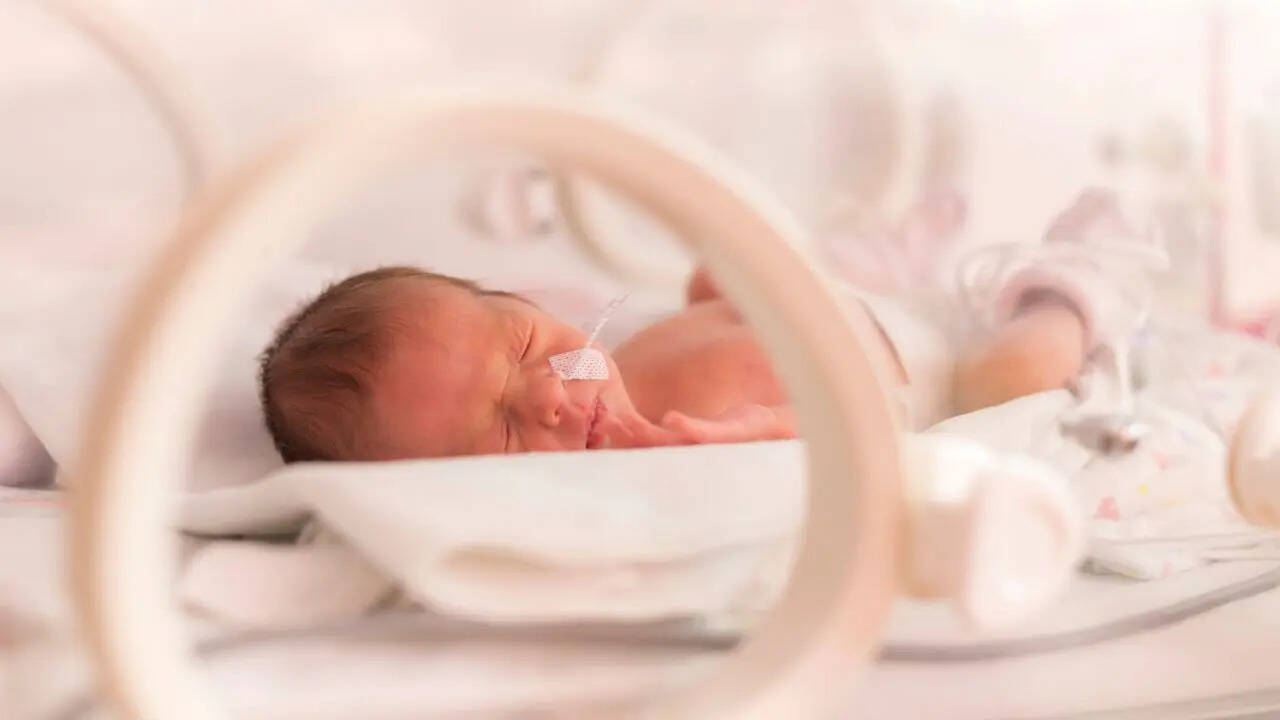
India continues to battle one of the world's highest burdens of preterm births. Early identification of critically ill newborns remains crucial for improving survival rates, particularly in hospitals with limited resources.A new Indian study says that Clinical Risk Index for Babies-II (CRIB-II) score is an effective tool for predicting mortality risk among preterm newborns admitted to neonatal intensive care units (NICUs). The research, conducted by doctors at JK Lone Hospital in Jaipur and published in the International Journal of Paediatric Research, can help preterm babies receive faster treatment and enable better use of neonatal intensive care resources. What Is The CRIB-II score? CRIB-II is a standardized clinical scoring system designed to assess the severity of illness in very premature babies shortly after birth. Unlike lengthy investigations, the score relies on information that is available soon after admission. It is calculated using five clinical parameters: Birth weightGestational ageBaby's body temperature at admissionBlood acid-base statusSex of the babyThe higher the score, the greater the risk of severe illness or death.What Did The Study Find? Also read: How America's Falling Birth Rate Is Redefining Women's Healthcare?Researchers studied 181 premature newborns admitted to the tertiary care hospital. The babies had an average gestational age of 28.88 weeks and an average birth weight of 1.01 kg. The analysis showed a clear relationship between CRIB-II scores and outcomes: 0 to 5: Low risk6 to 10: Moderate risk11 to 15: High riskAbove 15: Very high riskBabies with higher CRIB-II scores were significantly more likely to die than those with lower scores, suggesting that the scoring system can accurately identify newborns requiring immediate intensive care. Early Risk Assessment Can Save Lives Also read: Beyond The Bump: Why Preconceptions And Antenatal Care Are Key To A Healthy PregnancyDr. Yogesh Yadav, paediatric specialist and one of the study's researchers, said the score enables doctors to make critical treatment decisions within the first few hours after admission. "If we calculate the CRIB-II score at the time of admission, we can understand the seriousness of the baby's condition. This helps doctors decide the right treatment direction early and increases the chances of saving the baby." He added that the score is more than simply a predictor of mortality. "CRIB-II is not just a score to predict death risk, but an important scientific tool for decision-making in the NICU. In the first few hours, we can identify which newborn is at high risk." The researchers believe the scoring system could be particularly valuable across India, where NICUs often face shortages of beds, ventilators and trained neonatal staff. According to Dr. Yadav: "When beds, ventilators or trained staff are limited, babies with higher scores can be given priority in the NICU. It also helps in deciding which newborns need to be referred immediately to higher centres." The score can also improve communication with families by helping clinicians provide clearer information about a baby's condition and expected prognosis. "Through CRIB-II, we can give parents a clearer and more accurate understanding of the baby's condition, possible outcomes and treatment needs." Although CRIB-II has been used internationally for years, the latest Indian findings add to growing evidence supporting its use in neonatal intensive care.