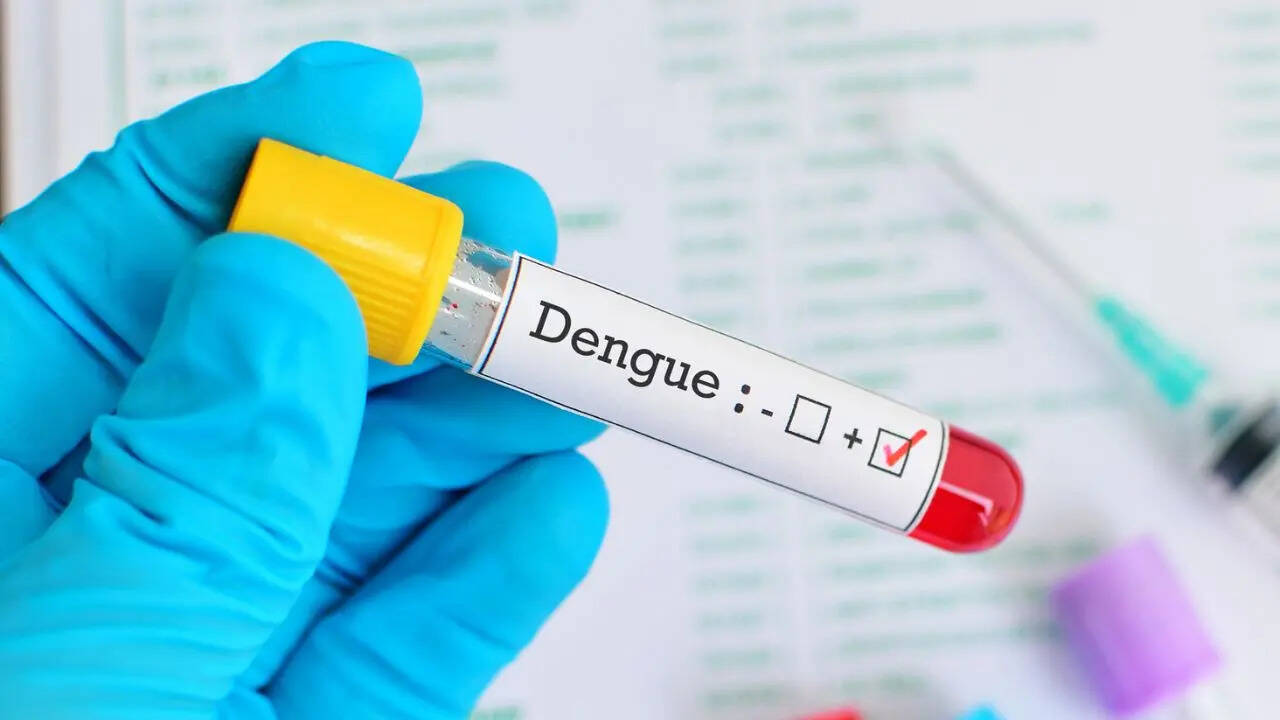
People living with Type 2 diabetes may be significantly more vulnerable to severe, potentially life-threatening complications from dengue, according to a new review by diabetes specialists. The paper, presented in July 2026 and slated for publication in the International Journal of Diabetes & Technology (IJDT), also recommends combining dengue vaccination into routine diabetes care in dengue-endemic regions to better protect patients who are at high risk.The review comes as many countries, including India, continue to witness surges in dengue cases during the monsoon months. Can Type 2 Diabetes Make Dengue More Severe? Also read: Will Waterborne Diseases Rise In The Future? New Study Says Climate Change Could Be A Major DriverAccording to the researchers, chronic high blood sugar weakens the immune system and damages blood vessels, making it harder for the body to fight dengue infection. It increases the risk of vascular leakage, severe bleeding, organ damage, and other complications associated with severe dengue.The review notes that diabetes contributes to chronic inflammation, endothelial dysfunction, and impaired immune responses, all of which may worsen the course of dengue infection. The researchers argue that dengue prevention should become part of routine diabetes management in countries where dengue is endemic. Lead author Dr. Jothydev Kesavadev, diabetologist, said, "People with Type 2 diabetes represent a particularly vulnerable group during dengue outbreaks. Preventive strategies, including vaccination where appropriate, should become an integral part of diabetes care to reduce severe illness and deaths." The review was co-authored by several diabetes specialists from across India, including Dr. Niti Pall, President-Elect of the International Diabetes Federation Europe. It was presented during the 14th Jothydev's Professional Education Forum Annual Global Diabetes Convention in Kovalam, Kerala, and its publication was formally released by Kerala Health Minister K. Muraleedharan.Earlier ResearchAlso read: DengiAll, India's First Dengue Vaccine Clears Phase III Trials, May Soon Enter MarketsWhile the current paper is a review rather than a new clinical trial, it is supported by a growing body of evidence. A 2024 review published in Health Science Reports found that diabetes is significantly associated with severe dengue, death, elevated liver enzymes, and thrombocytopenia. Similarly, a 2025 review in the International Health journal concluded that accumulating evidence increasingly supports diabetes as an important comorbidity contributing to poor dengue outcomes. Should People With Diabetes Receive The Recently Approved Dengue Vaccine? Also read: India’s First Approved Dengue Vaccine: Takeda’s QDENGA Protects Against All Four Virus SerotypesThe findings come as India recently approved its first dengue vaccine, QDENGA (TAK-003). The vaccination should follow national guidelines and individual medical advice. Experts emphasize that vaccination complements, rather than replaces, mosquito bite prevention measures. QDENGA (TAK-003) is a live-attenuated tetravalent dengue vaccine designed to protect against all four dengue virus serotypes.It is administered as two 0.5 mL subcutaneous doses, given three months apart.The vaccine is built on a DENV-2 backbone, incorporating structural proteins from DENV-1, DENV-3 and DENV-4 to provide broad immune protection.The World Health Organization (WHO) recommends QDENGA for use in dengue-endemic settings without the need for pre-vaccination screening. The vaccine is also included in the WHO List of Prequalified Vaccines, allowing procurement through agencies such as UNICEF and PAHO.PrecautionsExperts recommend that people with diabetes: Maintain good blood sugar control.Avoid mosquito bites by using repellents, long-sleeved clothing, and eliminating stagnant water around homes.Seek medical attention immediately if dengue symptoms such as high fever, severe headache, vomiting, abdominal pain, bleeding, or rash develop.Discuss dengue vaccination with their healthcare provider if they live in an endemic region and are eligible under national recommendations.