
- Health Conditions A-Z
- Health & Wellness
- Nutrition
- Fitness
- Health News
- Ayurveda
- Videos
- Medicine A-Z
- Parenting
Is US Preparing For A Quademic 2025?

Credits: Canva
Quademic 2025: Hospitals in the United States are dealing with a surge in patients admission, the reason is the quademic it is dealing with at this moment. This has led to an influx of patients. It is all caused by seasonal infections, including common flu, Covid-19, and respiratory syncytial virus (RSV) that dominate the winter season in the US. This year, norovirus also joined the list, which has further increased the load on the healthcare.
The healthcare company founded in academics M Health Fairview, confirmed that their hospitals are overflowing due to the quademic.
Is US able to cope with Quademic 2025?
The hospitals of M Health Fairview's volume is up by 30% and as a results, patients are being treated in the hallways and in alternative care areas. There is also a longer wait time and shortages for resources that are required to treat these emergencies. This has also impacted other life-threatening emergencies like heart attacks and strokes, as the healthcare resources and caregivers are occupied with the surge in seasonal cases.
ALSO READ: Birmingham Struggles With 4 Different Virus Hits, Know What They Are
What are these quademic infections?
Common cold and flu: The common cold and influenza (flu) are perhaps the most well-known illnesses that peak during the fall. As temperatures drop and humidity levels fluctuate, viruses that cause colds and the flu become more active. The flu, in particular, can be more severe than a common cold, leading to complications such as pneumonia, especially in vulnerable populations like the elderly and those with pre-existing health conditions. Symptoms include a runny nose, sore throat, coughing, fever, and body aches.
Covid-19: As per the World Health Organization, Coronavirus disease or COVID-19 is an infectious disease caused by the SARS-CoV-2 virus. Most people infected with this virus will experience mild to moderate respiratory illness and recover without requiring special treatment, However, there could be some cases of seriously ill patients who may require medical attention. It is also because of the other existing medical conditions like cardiovascular diseases, diabetes, chronic respiratory diseases, cancers, or older age.
The best way to protect against this virus is by following social isolation form those who are infected, using mask to prevent droplets from infecting others when you cough or sneeze and to wash your hands for 20 seconds frequently.
RSV or Respiratory Syncytial Virus: As per the Centers of Diseases Control and Prevention (CDC), RSV is a common respiratory virus that infects nose, throat and lungs. Though symptoms are similar to the viruses like flu or COVID-19, the disease in itself is different. It also peaks during the winter season, especially between December and January.
However, the main difference between RSV and other respiratory illness, above mentioned is that RSV can cause pneumonia or bronchiolitis, especially for those who are over the age of 50 or with an existing heart or lung disease.
Norovirus: It is a number 1 cause of foodborne illness in the US and this happens when virus gets into the food and then it accidentally enters your mouth. These particles are from faeces or vomit from infected people, or can be transmitted via contaminated food and water. It could also spread by touching unclean surfaces like door handles or cutlery.
For most people, having norovirus is unpleasant, but mild and recovery could be made in 1 to 2 days. However, it could be more serious for babies, older people and anyone with any existing health condition.
Fact Check: Did Keir Starmer Say UK ‘May Need To Go Into Lockdown’ If Meningitis Cases Keep Rising?

Credits: Canva and Wikimedia Commons
Meningitis cases in Kent has alerted many to take precautions. As per a BBC report, Mashaal Chugtai, 22, who studies laws in the University said that it feels like "Covid all over again". Amid this, a claim has been circulating that Prime Minister Sir Keir Starmer warned "the UK may need to go into lockdown as early as May if meningitis cases continue to escalate".
Some posts also include an additional quote, supposedly from Sir Keir, that says “I will do whatever it takes to keep the country safe over the election period, even if that means you can’t go outside”.
However, upon fact checking, it was found that Sir Keir made no such statement. Number 10 also confirmed to Full Fact that the Prime Minister did not make such claims and this appeared from a satirical Facebook page.
What Is Happening In The UK?
Meningitis outbreak in Kent University that infected a dozen of people have now further infected more people. The total number as of now is 27, as experts say that incubation period of the bacteria may lead to an increase in number of those who are sick.
The bug that causes the infection has been identified as the known strain of meningitis B and MenB vaccines will be offered to 5,000 students living in the University of Kent halls of residence in Cantebury. While several reports claim that parents are rushing to pharmacies to get their children vaccinated, due to which there is a shortage of the MenB vaccines, health secretary, Wes Streeting has denied any such claims. "There is actually plenty of stock of vaccine supply in the country," he said.
As per the UK Health Security Agency (UKHSA) official, people infected in Kent were the ones who visited a nightclub on 5,6 or 7 March. The officials, including NHS members and county council public health staff who have been tackling the outbreak believe that it has not been passed on to anyone outside the area. "All cases to date are linked to the current outbreak in Kent," said a UKHSA spokesperson, as reported by The Guardian.
Another official involved in the multi-agency response said, "We may have contained it. There are no cases popping up elsewhere that we know of – no cases that we know of outside the cluster – or not yet anyway. We are rolling out a vaccine and antibiotics and tracing contacts. So there’s nothing we’re not doing.”
Quickest-growing Meningitis Outbreak Ever
UKHSA chief executive Susan Hopkins said the outbreak "looks like a super-spreader" event with "ongoing spread" through universities' halls of residence. She added: "There will have been some parties particularly around this, so there will have been lots of social mixing. I can't yet say where the initial infection came from, how it's got into this cohort, and why it's created such an explosive amount of infections."
She further said that in her 35 years working in medicine, healthcare, and hospitals, "This is the most cases I've ever seen in a single weekend with this type of infection". She added: "It is the explosive nature that is unprecedented here - the number of cases in such a short space of time." She also remarked that this was the "quickest-growing outbreak" she has ever seen in her career.
What Is Meningitis?
Meningitis is a serious medical condition that affects the protective membranes covering the brain and spinal cord, the meninges. While fever is not always present, it is usually considered as one of the classic symptoms of meningitis. It is important to know the varied symptoms, causes, and treatments of meningitis for early diagnosis and proper management of the disease.
Meningitis is an infectious illness that brings about inflammation in the meninges. The most common cause of such inflammation is bacterial or viral infections, though other causes are also possible including fungal, parasitic, or non-infectious causes (autoimmune disease, head injury, or brain surgery). Meningitis may be caused by bacterial meningitis, which the Centers for Disease Control and Prevention (CDC) indicates can be so severe and bring about conditions like hearing loss, vision problems, and death if not received on time.
Semaglutide Becomes Cheap In India: A Gamechanger Or Health Gamble?
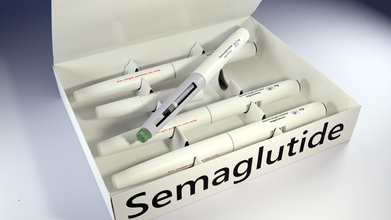
Credit: iStock
The end of patent on semaglutide, the active ingredient in popular weight loss drugs like Ozempic and Wegovy, in India has ushered in the way for cheaper generic -- up to 90 per cent lower than the original drug price.
HealthandMe spoke to various experts to understand whether the cheaper versions of semaglutide will spur better health for Indians, or whether the various side effects seen in Ozempic will also be translated to the low-priced drugs.
The patent for Novo Nordisk, the original maker of semaglutide, ended on March 20. On the same day, NATCO Pharma became the first to introduce Semanat and Semafull for INR 1,290 per month and INR 1,750 -- about 90 per cent cheaper than Ozempic, costing INR 8,800 per month. Eris Lifesciences also announced its plans to launch a multi-dose vial under the brand name Sundae at the same price.
Today, Dr. Reddy’s Laboratories, Sun Pharmaceutical Industries, and Glenmark Pharmaceuticals launched their generic versions of semaglutide.
Dr. Reddy’s Obeda is priced at Rs 4,200 per month, available in 2 mg and 4 mg strengths.
Sun Pharmaceutical Industries will sell under the brand names Noveltreat (doses ranging from INR 900) and Sematrinity (doses ranging from INR 750). Meanwhile, Glenmark’s GLIPIQ vials range from Rs 325 to Rs 440 per week.
Zydus Lifesciences has also announced the launch of its generic version of semaglutide injection under the brand names SEMAGLYNTM, MASHEMATM, and ALTERMET. The average monthly cost of the treatment will be about Rs 2,200, the company said in a statement.
Dr. V. Mohan, Chairman of Dr. Mohan's Diabetes Specialities Centre, Chennai, told HealthandMe called it a “very positive development” yet stressed the need to ensure “quality”.
According to a BBC report, around 50 branded semaglutide generics will enter the Indian market within months. How will this benefit Indians? Let's take a look.
Semaglutide works as a GLP-1 receptor agonist that mimics the GLP-1 hormone to regulate appetite and blood sugar. It slows gastric emptying and makes you feel fuller longer. It also signals the brain to reduce hunger and cravings, and triggers the pancreas to release insulin when blood sugar is high.
“For a country like India, which carries a large burden of Type 2 Diabetes and Obesity (and related complications), this could translate into meaningful clinical gains,” Dr. Anoop Misra, who heads Delhi’s Fortis-C-DOC Centre for Diabetes and Endocrinology, told HealthandMe.
India is facing an alarming diabetes epidemic, ranking second globally with an estimated 101 million people living with diabetes and another 136 million with prediabetes as of 2023, according to the ICMR-INDIAB study.
Similarly, the National Family Health Survey (NFHS) 2019–21 states that 24 percent of Indian women and 23 percent of Indian men are overweight or obese.
Also read: Ozempic Will Go Generic, Weight-loss Drug Cost Could Lower By 90%
Semaglutide: Risks Vs Benefits
In people with type 2 diabetes, Harvard Health noted that the body's cells are resistant to the effects of insulin and the body does not produce enough insulin, or both. This is when GLP-1 agonists stimulate the pancreas to release insulin and suppress the release of another hormone called glucagon.
These drugs also act in the brain to reduce hunger and act on the stomach to delay emptying, so you feel full for a longer time. These effects can lead to weight loss, which can be an important part of managing diabetes.
Notably, semaglutide is not just a glucose-lowering drug -- it improves weight and has proven cardiovascular, liver, and renal benefits.
Wider availability could therefore help reduce long-term complications such as heart disease and kidney failure. If used appropriately, this could indeed be a major step forward in total metabolic care, the experts said.
“The increasing affordability of GLP-1 receptor agonists is a double-edged development. On one hand, it significantly improves access for patients with obesity, type 2 diabetes, and high cardiovascular risk -- conditions that are highly prevalent in India. These drugs have demonstrated meaningful benefits in weight reduction, glycemic control, and even cardiovascular risk reduction, which could translate into long-term public health gains,” Dr Vivek Bindal, Senior Director & Head, Bariatric and Robotic Surgery, at Max Healthcare, told HealthandMe.
A recent study published in The Lancet Psychiatry journal showed that Ozempic can also help tackle the burden of depression, anxiety, and self-harm in high-risk diabetic patients.
However, the benefits are conditional -- it depends on appropriate prescribing, reliable product quality, and adequate patient monitoring, said Dr. Misra.
"These drugs should be strictly prescribed by qualified doctors and used only for therapeutic purposes, not for cosmetic weight loss,” Dr. Mohan said.
Urging for careful monitoring of side effects, the expert also called for more Indian data and strict pharmacovigilance.
“This also presents a great opportunity for India to make these drugs affordable and accessible to other developing countries across Asia and Africa,” the noted diabetologist said.
The experts also warned of “indiscriminate or unsupervised use” due to low cost.
This is particularly for cosmetic weight loss without proper medical evaluation, said Dr. Bindal.
“GLP-1 therapies are not ‘quick fixes’ -- they require careful patient selection, dose titration, and monitoring for side effects such as gastrointestinal intolerance or, rarely, pancreatitis,” he added.
However, the focus should remain on holistic obesity management, including lifestyle modification, rather than over-reliance on pharmacotherapy alone.
Also read: Semaglutide: Wegovy Can Spur Sudden Sight Loss By 5x; Men More At Risk, Finds Study
The major concerns around semaglutide include:
- Quality and manufacturing variability
Semaglutide is a complex peptide, unlike conventional small-molecule drugs. Variations in manufacturing, storage, or delivery devices may affect efficacy and safety.
- Cold-chain and storage issues
Maintaining 2-8°C across India’s diverse healthcare settings is challenging. Breaks in the cold chain could reduce drug effectiveness without being immediately apparent.
- Regulatory burden
With 40+ companies entering the market, ensuring uniform quality, batch consistency, and device reliability will stretch regulatory systems.
- Inadequate physician training
Many prescribers may lack experience with GLP-1 receptor agonists—particularly regarding dose titration, side-effect management, and patient selection.
- Pharmaceutical promotion vs. scientific education
- Indiscriminate or cosmetic use
There is a real risk of semaglutide being used for “quick weight loss” without proper medical supervision.
- Adverse effects and monitoring gaps
Gastrointestinal side effects, gallbladder disease, and rare pancreatitis require counselling and follow-up—often lacking in routine practice.
The greatest benefit will be seen in:
- Patients with Type 2 diabetes and overweight/obesity
- Individuals with poor glycemic control despite standard therapy
- Patients with high cardiovascular risk, or who have suffered heart attacks and strokes
- Those with metabolic syndrome or abdominal obesity
- Selected patients with chronic kidney disease
- People with obstructive sleep apnea (disordered breathing at night)
- People with severe fatty liver and consequent damage to the liver
"In these groups, semaglutide provides multidimensional benefit -- glucose lowering, weight reduction, and cardiometabolic protection," Dr. Misra said.
Who Should Avoid Semaglutide?
Semaglutide should be avoided or used with extreme caution in:
- Patients with a history of medullary thyroid carcinoma
- Individuals with a history of pancreatitis
- Those with severe gastrointestinal disease (e.g., gastroparesis)
- Pregnant or breastfeeding women
- Patients with Type 1 diabetes
- Patients with severe eye problems due to diabetes (can be taken with care)
- Individuals seeking purely cosmetic weight loss without a medical indication.
41 million children aged 5-19 living with high BMI in India: Study

Credit: iStock
A whopping 41 million children between the ages of 5 and 19 are living with high body mass index (BMI) in India, according to a recently released report.
The World Obesity Atlas 2026 shows that India is now among the top three countries globally for the highest number of children affected by overweight.
Nearly 14 million children in the same group were also found to be obese, the report showed.
In children aged 10-19 years, more than 26.402 million were overweight or obese.
Between 2010 and 2025, India had a 4.8 percent increase in the prevalence of high BMI and obesity among children aged 5-19 years.
High BMI To Surge Chronic Disease By 2040 In India
By 2040, the report also projected a substantial increase in the risk of diseases among children aged 5-19 years due to a high BMI in India. This includes:
- Hypertension (high blood pressure) is expected to spike by 4.21 million from 2.99 million
- hyperglycemia (high blood sugar) to 1.91 million from 1.39 million
- high triglycerides (excess fats in the blood) to 6.07 million from 4.39 million
- metabolic dysfunction-associated steatotic liver disease (MASLD) to 11.88 million from 8.39 million
Childhood obesity in India is expected to surge to a whopping 56 million by 2040 -- nearly a 20 percent rise from 2025, according to the report released by the World Obesity Federation.
Of the 56 million, about 20 million children in the country will be obese, while the remaining 36 million will be overweight.
Globally, the number of children aged 5-19 years living with obesity or overweight is predicted to increase to 507 million by 2040 -- from 419 million in 2025.
Another report, Children in India 2025, raised the concerns of high triglyceride levels -- too much fat in the blood -- among children in India. Over one-third of Indian children aged 5–9 have high triglycerides.
High Triglycerides can increase the risk of heart disease, Type 2 Diabetes, fatty liver, and pancreatitis, especially when combined with obesity or unhealthy lifestyles.
How To Prevent
“Don't keep on buying junk food from outside. Second, get the child involved in activity, physical activity, sports, and games. Third, the family as a whole should commit to being healthy,” Dr. V Mohan, Chairperson of Dr. Mohan's Diabetes Specialities Centre, was quoted as saying to India Today.
He also urged to sleep on time, cut down on screen time, and not to watch toxic things on television.
"These three or four simple things if you do, childhood obesity can be reduced in India," the noted diabetologist said.
Amid rising levels of obesity in the country, Prime Minister Narendra Modi in January 2025 made a clarion call to fight obesity and reduce oil consumption. He called it a "hidden enemy" and a "silent crisis".
In response, the Central Board of Secondary Education (CBSE) oin May 2025 issued a directive to install "Sugar Boards" in schools.
Later in July, the Ministry of Health also asked for the installation of "sugar and oil boards" in government offices to help build a healthy India.
The boards consist of informative posters and digital boards highlighting the harmful impacts of the amount of sugar and oil present in popular food items. It also displays the effects of these foods on the human body as well as shares the recommended amounts of fat and sugar for individual intake.
- Follow Us :


© 2024 Bennett, Coleman & Company Limited