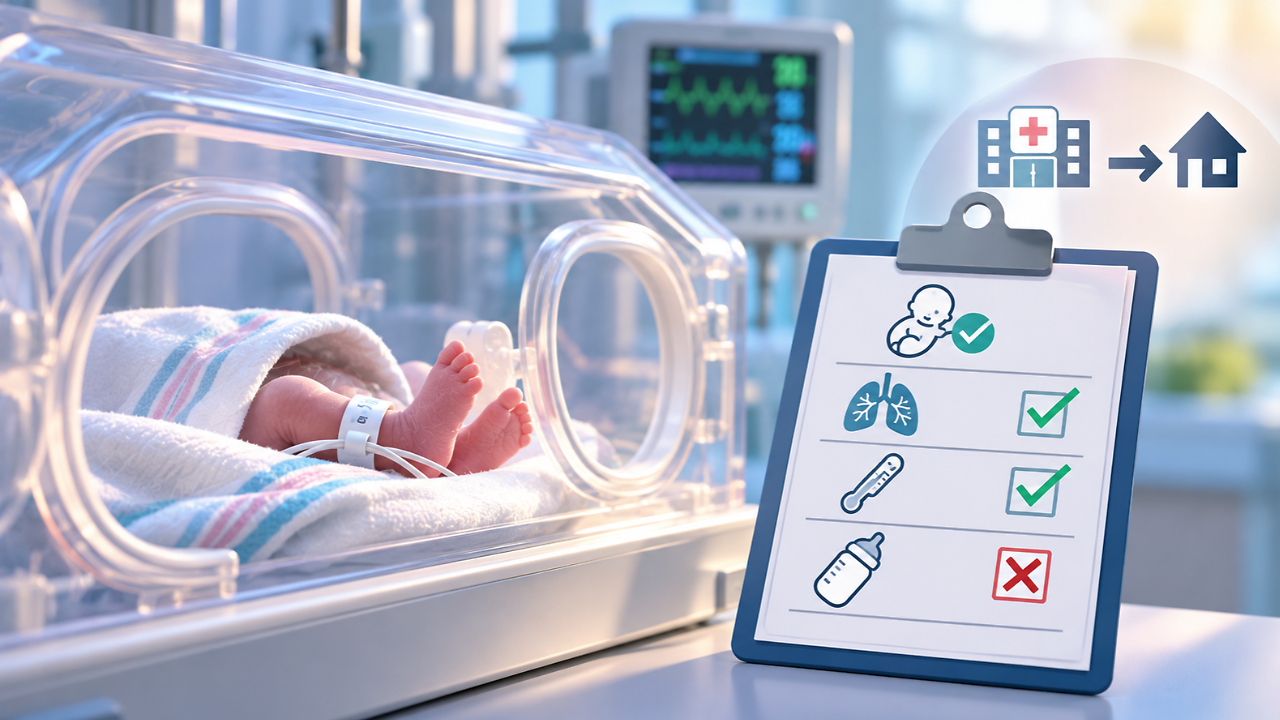
Nearly one in five premature babies discharged from neonatal care in England and Wales were sent home before they met key physiological milestones that are considered essential for discharge from hospital. By analysing records of more than 238,000 preterm infants, a new study published in JAMA Network Open has examined the complexities of deciding when a baby born prematurely is ready to leave hospital. While prolonged hospital stays also carry risks, discharge before essential developmental and physiological milestones are achieved may require additional follow-up.What Did The Study Find?Researchers analysed data from 238,563 preterm newborns admitted to neonatal units in England and Wales between 2016 and 2023. The babies were born before 37 weeks of pregnancy and survived to discharge home.Overall, 19.5% of the babies were discharged before reaching all three physiological milestones used in the study to define readiness for discharge without additional medical support.The proportion was significantly higher among babies born extremely early. Among those born between 22 and 24 weeks of gestation, 60.7% were discharged before meeting all three milestones.The researchers defined physiological readiness based on three criteria:Breathing independently without respiratory supportTaking their nutritional requirements orally without feeding supportReaching a weight of at least 1,700 gramsThe study found that babies born at earlier gestational ages took longer to reach these milestones, reflecting the additional developmental challenges linked with extreme prematurity.Also read: After Hilary Swank, Dr. Renée Hoenderkamp Pregnant In 50s: Can Eggs Frozen In 30s Overcome Fertility ChallengesImportance Of Physiological Readiness In Preterm BabiesPremature babies may have weak respiratory systems, difficulties in sucking and swallowing, which could create challenges in maintaining nutrition and growth.Reaching these milestones can indicate that a baby is able to manage essential functions without the support provided in a neonatal unit. But readiness for discharge is not determined by these measures alone. Temperature stability, parental preparedness and the availability of appropriate care at home are also important considerations.The researchers wrote, "Reduction in length of stay, by itself, cannot be a marker of improved care without assessing parental experience and the quality of discharge."Some babies can leave hospital before meeting every milestone if they are discharged with medical support like home oxygen or nasogastric feeding, along with regular follow-ups.Also read: Small Babies, Big Potential: India Must Invest in Follow-up Care to Protect Their FutureEarly Discharge & Risk To Preterm BabiesThe study examined neonatal hospital stays and the timing of physiological readiness. It did not establish whether discharge before these milestones increased complications, emergency visits, readmissions or deaths.The researchers also noted that clinical readiness needs to be sustained over time. Their analysis could not determine how long babies had remained free from episodes like apnoea or oxygen desaturation before discharge.The researchers emphasised that discharge readiness should also consider parents' capacity to care for their newborn, their access to follow-up services and other relevant circumstances.Parents of premature babies may feel anxious and ill-prepared when leaving neonatal care. Education, home visits, telephone support, and community nursing can help make the transition safer.The study's authors wrote, "Research and service improvement should target interventions to increase equitable access to discharge with medical support and/or to support family readiness for timely discharge once the neonate reaches physiological maturity."