
- Health Conditions A-Z
- Health & Wellness
- Nutrition
- Fitness
- Health News
- Ayurveda
- Videos
- Medicine A-Z
- Parenting
K Strain Flu: Mutated H3N2 Virus Is Circulating; Health Officials Say It Is Never Too Late To Get Vaccinated
Credits: Canva
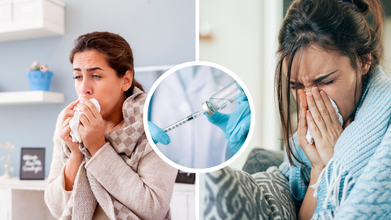
From time and again experts have highlighted that flu has come early this year. In fact, they have predicted that this could be a 'nasty season', all thanks to the mutated version of H3N2 virus.
What Is The K Strain Flu?
Known as the superflu, this is H3N2 'subclade K'. It is a type of seasonal influenza A virus and people have not encountered much of it in the recent years. This is why there is less immunity against it. However, the National Health Service (NHS), UK, has already sent out a 'flu jab SOS' to vulnerable people.
NHS has confirmed that the super flu is circulating in England this year, and due to less immunity, it is making it easier to spread across people. The UK Health Security Agency (UKHSA) has urged people to get a flu jab. As per the early data, this year's vaccine has offered good protection despite the new strain.
Daniel Elkeles, chief executive of NHS Providers, said that the major concern is that H3N2 is associated with a more severe illness and superflu could be "a very nasty strain of flu". He said that UK could be experiencing a "tidal wave" of illness.
Read More: Unique Symptoms Of H3N2 Flu Strain In UK And How Long Infection Now Last
Who Needs The Flu Jab?
NHS offers free flu jabs to people who need it the most, which includes:
- anyone aged 65 or above
- those with long-term health conditions
- pregnant women
- care home residents
- carers for older or disabled people, or those who receive a carer's allowance
- people who live with someone who has a weakened immune system
NHS also includes frontline health and social care workers to get the jab.
The flu jab is also available in a nasal spray version, which could be administered to children aged 2 to 3 years as well as school-aged children, up to year 11.
Everyone else who is not in this list have to buy the jab.
Should You Buy The Flu Shot? How Long Does It Take For The Jab To Work?
Even if you are healthy, you should get the shot, say doctors. Vaccines are still working against the drifted influenza A (H3N2) subclade, also known as the super flu. The vaccines in high street chemists are sold for £20.
Anyone can be vaccinated, except for those who have a serious allergy to any of its ingredients or to the vaccine it self. The best way to know is to speak to the pharmacist and your GP.
For the vaccine to work, it usually takes up to 14 days. However, what is more important to not is that during the 14-day-long period, you are still vulnerable to catching the virus.
What Are Some Of The Misconceptions Around Flu Vaccine?
Some people think that it is the flu vaccine itself that has given them the flu, however, the truth is that while vaccine does not give you a flu, it gives your body the instruction it needs to fight off an infection, in case you catch it. While you may still catch the flu after being vaccinated, the affects will be milder and would not last as long.
The best part, the vaccine is frequently updated to match the strain or the version of flu that experts expect will be circulating.
Also Read: This ONE Key Symptom Will Help You Differentiate Flu From COVID, According To Doctor
What More Can Be Done To Protect Yourself Against The Super Flu?
Elkeles says that anyone experiencing flu or cold symptoms should wear a mask in public places. This is important for the "tidal wave" of illness in the UK. Speaking to Times Radio, he said, "When you were talking about anything like Covid, I think we need to get back into the habit that if you are coughing and sneezing, but you’re not unwell enough to not go to work, then you must wear a mask when you’re in public spaces, including on public transport, to stop the chances of you giving your virus to somebody else. And we were all very good about infection control during Covid. And we really, really need to get back to that now.”
CDSCO threatens action against pharma companies for promoting GLP-1 weight-loss drugs
Credit: Canva
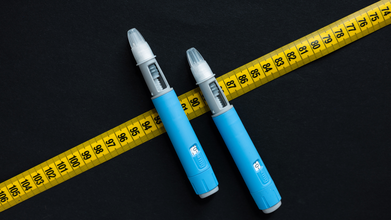
India's drug regulator, the Central Drugs Standard Control Organization (CDSCO), has threatened pharmaceutical firms with action for promoting GLP-1 weight-loss drugs among the general public.
Glucagon-Like Peptide-1 (GLP-1) receptor agonists are a class of medicines that help lower blood sugar, support weight loss, reduce the risk of heart and kidney complications, and can even lower the risk of early death in people with type 2 diabetes.
In an official circular, the CDSCO warned drug makers from indulging in "direct or indirect advertising" for obesity and metabolic disorders.
The regulatory body also cautioned pharma companies against campaigns using influencers, noting that any violation "could attract regulatory action".
Advertisements, which "function as a surrogate advertisement for prescription-only drugs, shall be viewed seriously and may be treated as irrational or misleading marketing practice", read the letter signed by the Drug Controller General of India (DCGI) Rajeev Raghuvanshi.
The order comes as the CDSCO noted that drugmakers have been engaging in surrogate promotional activities, under the garb of disease awareness campaigns, and digital media outreach.
What The CDSCO Mandated
- Weight-loss drugs, specifically GLP-1 medications, must only be sold with a prescription from a registered medical practitioner.
- There should be no ads, whether direct or indirect, in print, electronic, digital, social media, or any other public platform intended, directly or indirectly, to promote the product to the general public.
- No GLP-1 drugs must exaggerate for therapeutic efficacy; suggest for assured or guaranteed weight loss outcome; and induce demand for pharmacological therapy
- awareness campaigns
- influencer engagement
- corporate campaigns
Rush For Generic Weight Loss Drugs
The government's advisory comes patent for semaglutide -- an active ingredient in diabetes and anti-obesity drugs, specifically Wegovy and Ozempic -- expires on March 20.
This will allow Indian pharma companies to launch cheaper generic versions, significantly increasing affordability and access for millions battling Type 2 diabetes and obesity.
Major Indian drugmakers gearing up to launch their generic semglutide injection in the country in March include Sun Pharmaceutical Industries, Zydus Lifesciences, Alkem Laboratories, Dr. Reddy’s Laboratories, Torrent Pharmaceuticals, and MSN Laboratories.
Obesity A Chronic Metabolic Condition
The CDSCO stressed the importance of "lifestyle modification measures (diet, exercise, behavioural interventions)" in treating obesity.
"Obesity is a chronic metabolic condition requiring comprehensive management, including lifestyle interventions," the regulator said.
"Pharmaceutical therapy, where indicated, must not be projected in a manner that undermines public health initiatives promoting diet control, physical activity, and preventive healthcare," it added.
WHO Guidelines On GLP-1 drugs
Amid increasing prevalence of GLP-1 drugs, the World Health Organisation (WHO), late last year, acknowledged its role in treating obesity.
However, it warned that medications like GLP-1 alone will not solve the problem affecting more than one billion people worldwide.
The global health body also issued conditional recommendations for using these therapies as part of a comprehensive approach that includes healthy diets, regular physical activity, and support from health professionals.
‘Contaminated’ wet wipes linked to fatal bacterial infections, death in UK

Credit: Canva
The UK Health Security Agency (HSA) and the Medicines and Healthcare products Regulatory Agency (MHRA) have warned people against using non-sterile alcohol-free wipes in their homes and first aid kits, over their link to a fatal bacterial infection, which has also led to death in the country.
After testing almost 200 products, the officials identified Burkholderia stabilis -- a type of bacteria found naturally in the environment, including in soil and water -- in four brands of skin cleansing wipes intended for first aid.
These brands of non-sterile alcohol-free wipes have been contaminated and have caused serious infection with the B. stabilis. These include:
- ValueAid Alcohol Free Cleansing Wipes
- Microsafe Moist Wipe Alcohol Free
- Steroplast Sterowipe Alcohol Free Cleansing Wipes
- Reliwipe Alcohol Free Cleansing Wipes
While B. stabilis rarely causes infection in healthy individuals, it can be dangerous to people with a weakened immune system, cystic fibrosis, or malignancy, the authorities said. Further, patients using intravenous lines at home are also at higher risk of developing infection.
The MHRA had, in 2025, also issued a warning against the four products.
“There have been 59 confirmed cases of Burkholderia stabilis associated with some non-sterile alcohol-free wipe products -- identified in an outbreak in the United Kingdom from January 2018 to 3 February 2026,” the joint statement said.
“A small number of cases continue to be detected. These have included some serious infections which have required hospital treatment, and one death has been attributed to Burkholderia stabilis infection,” it added.
The health agencies also stressed that only wipes marked as “sterile” should be used on broken skin and only used to clean intravenous lines if instructed by a patient’s medical team.
“We are reminding the public not to use, and to dispose of, certain non-sterile alcohol-free wipes, which have been linked to an outbreak of Burkholderia stabilis,” said James Elston, consultant in epidemiology and public health at UKHSA.
“Those who still have any of the affected products should stop using them immediately and dispose of them in standard household waste,” the UKHSA added.
A recent report by Eurosurveillance, early this month, also confirmed 59 cases of B. stabilis associated with contaminated non-sterile alcohol-free wipe products in the UK as of February.
Also read: What Kind Of Wipes Should You Use To Clean Wounds? Here's What UKHSA Suggests
Key Symptoms To Watch For
Anyone who has used non-sterile, alcohol-free wipes does not need to seek medical care unless they develop symptoms of infection, such as:
Wound infection: redness, swelling, warmth, increased pain, or pus/drainage from the site
Infection involving an IV line: redness, swelling, or pain at the insertion site, along with fever or chills
Safety Advice by UKHSA And MHRA
The UKHSA offers the following guidance for safe wipe use:
- Use only sterile wipes on broken skin, wounds, or scratches to reduce the risk of germs entering the body.
- Check that your first aid kit contains only wipes labelled “sterile,” ensure the packaging is intact, and dispose of any out-of-date or damaged products.
- Only use wipes on IV lines if specifically instructed by your healthcare team.
Dr Alison Cave, MHRA Chief Safety Officer, emphasized that wipes intended for medical purposes are classed as medicines.
These products do not have the necessary medicines authorization, and steps are being taken to enforce compliance.
“If you have these wipes at home or in a first aid kit, check the label and only use wipes marked as ‘sterile’ on broken skin,” Dr. Cave advised.
“Healthcare professionals should follow instructions provided in the national patient safety alert.”
Anyone who has used alcohol-free wipes and is concerned about possible infection should speak to a healthcare professional.
Passive Euthanasia: Harish Rana’s Case May Reshape End-of-life Protocols, Say Experts
Credit: iStock
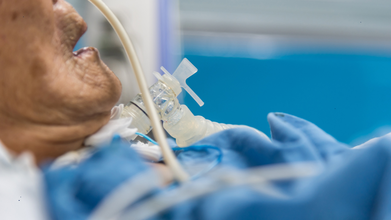
The Supreme Court of India, in a landmark decision, authorized the removal of life support for Harish Rana, a 31-year-old man in a vegetative state since 2013.
This marks the country's first Court-approved case of passive euthanasia without a prior living will. The Court ruled that the "right to die with dignity" is a fundamental part of the right to life under Article 21.
Also read: Supreme Court Allows 1st Passive Euthanasia For Man In Vegetative State For 13 Years
Speaking to HealthandMe, the experts said that the landmark ruling will enable families and doctors to make compassionate decisions and may also influence end-of-life protocols.
There are several medical conditions where patients undergo prolonged suffering despite treatment, with no realistic scope for recovery, sometimes for decades.
“This judgment could have a significant impact on end-of-life care practices in Indian ICUs. Many patients remain in prolonged vegetative states with no meaningful quality of life, often sustained only through artificial life support,” Dr. Sandeep Dewan, Senior Director, Critical Care & Chairman ECMO Program, Fortis Gurugram, told this publication.
“The ruling reinforces that while preserving life is important, the quality and dignity of life must also be considered, and it provides clearer pathways for families and doctors to make compassionate decisions in such situations,” he added.
Harish was a BTech student in Chandigarh who suffered severe traumatic brain injury after falling from the fourth floor of his paying guest accommodation in August 2013.
Since then, he has remained bedridden and was being treated with Clinically Administered Nutrition (CAN), where surgically installed PEG tubes helped him with breathing and nutrition.
The apex Court, in its ruling, noted that it can just prolong his biological existence, but it will not lead to any therapeutic improvement.
With the Harish Rana judgment, the apex Court today clarified how passive euthanasia should be applied in cases where a patient’s life is being supported by feeding tubes.
The top Court also waived off the reconsideration period of 30 days and noted that the medical treatment, including the CAN administered to the patient, can be withdrawn or withheld.
"Doctors and hospitals have often been reluctant to stop tube feeding in such patients, fearing that it could be interpreted as 'starving the patient to death',” Dr. Rajeev Jayadevan, Ex-President of IMA Cochin and Convener of the Research Cell, Kerala, told HealthandMe.
“Today’s ruling clarifies that artificial nutrition and hydration are indeed forms of medical treatment. Therefore, withholding such artificial feeding can be considered withdrawal of life-sustaining medical support in situations where treatment offers no prospect of recovery and only prolongs suffering,” he added.
Passive Euthanasia In India
Passive Euthanasia allows a terminally ill or irreversibly comatose patient to die naturally. It involves deliberately withholding or withdrawing life-sustaining treatments (like ventilators, feeding tubes, or medication). It has been legal since 2018, but under strict guidelines.
On the other hand, active euthanasia or assisted suicide for terminally ill patients is legal in several countries, but is not permitted in India.
The Aruna Shanbaug Case (2011) paved the way for passive euthanasia in India.
Shanbaug was a nurse at Mumbai's KEM hospital who remained in a vegetative state for 42 years after an assault in 1973. The hospital staff cared for her and did not stop treatment till she passed away naturally in 2015.
However, in the 2011 Aruna Shanbaug judgment, the SC allowed passive euthanasia by permitting the withdrawal or withholding of life-sustaining treatment under strict legal safeguards.
This framework was further clarified in the 2018 Common Cause judgment, which recognized advance directives or living wills.
Later in 2023, the SC modified the guidelines, noting that withdrawal of life support is permissible only after the approval of the Primary and Secondary Medical Boards.
A Living Will
Dr. Jayadevan noted that, as death is a certainty for all who are living, greater awareness must be created on adults preparing a "Living Will or Advanced Directive".
A Living Will is essentially made when individuals are "still in good health— documenting one’s preference for specific treatment measures in the event of a terminal illness occurring in the future”.
“This will help relatives and doctors to take the right decisions and avoid unnecessary treatment measures in such situations. Unlike the conventional Will that is executed after death, a Living Will is implemented when a person is still alive,” the doctor said.
- Follow Us :


© 2024 Bennett, Coleman & Company Limited