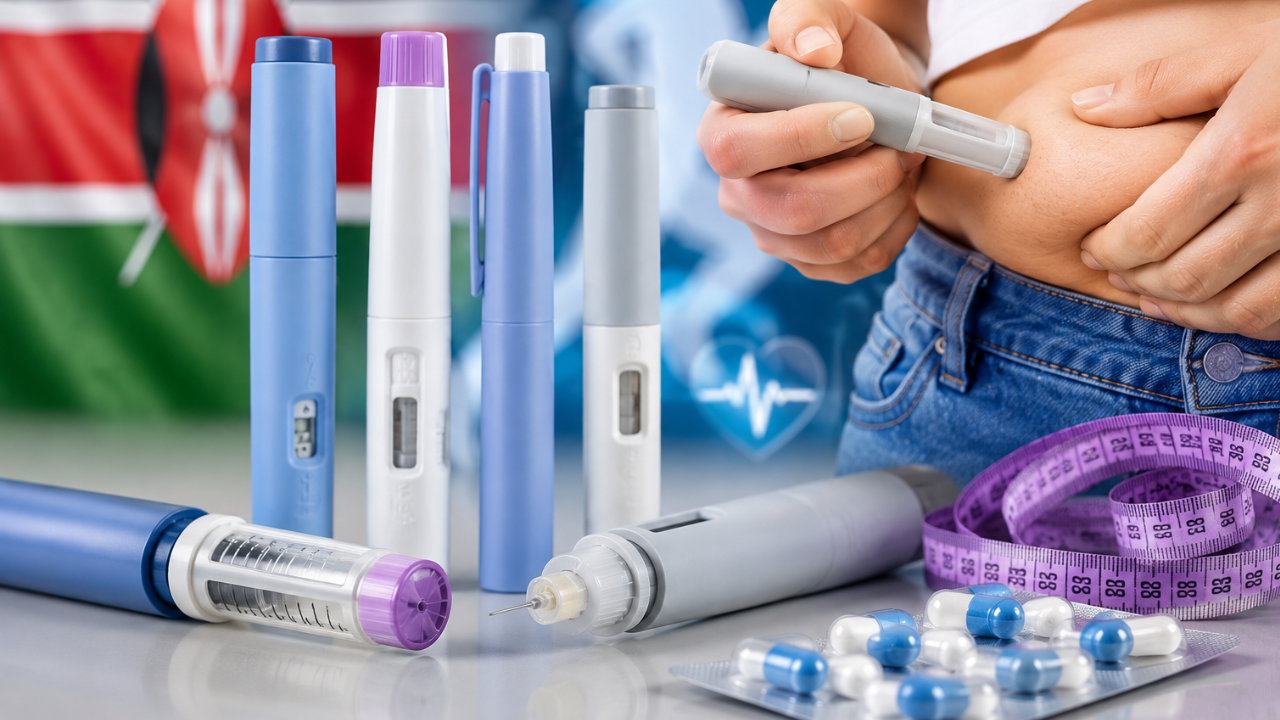
Kenya recently approved seven semaglutide-based drugs, expanding access to a class of drugs that has rapidly moved from diabetes treatment to one of the most talked-about weight-management therapies. The Pharmacy and Poisons Board (PPB) said the medicines were assessed by regulatory authorities for quality, safety, and effectiveness. The move adds new options as demand for GLP-1 drugs continues to rise in the country. Kenya Approves New Semaglutide-Based Medicines Kenya already had Novo Nordisk’s Ozempic and Wegovy in the market. The five newly registered generic semaglutide products have been approved for treating and managing type 2 diabetes. A generic product called Truglyx was also launched in Nairobi in July. An important thing to remember considering using these drugs is that even though they have the same active ingredient, it does not mean these medicines can be used interchangeably. “While these products contain the same active ingredient, their approved uses are not necessarily interchangeable and must be understood with reference to the indication approved for each product,” PPB Chief Executive Officer Dr Ahmed Mohamed said. Ozempic And Wegovy Cannot Be Used InterchangeablyAlso read: GLP-1 Weight Loss Drugs Ozempic, Wegovy, Mounjaro Tied To Over 60 Reported Deaths In Australia Although Ozempic and Wegovy contain the same active ingredient, they are not simply two names for the same treatment. Ozempic is approved for adults with type 2 diabetes whose blood sugar is not adequately controlled, alongside diet and physical activity. Wegovy is intended to be used for weight management in adults with a high BMI, alongside diet and exercise. That is why the PPB has warned patients against assuming that all semaglutide products can be substituted for one another. “While these products contain the same active ingredient, their approved uses are not necessarily interchangeable,” PPB Chief Executive Officer Dr Ahmed Mohamed said. The regulator has also stressed that semaglutide medicines are prescription-only drugs and should be used only after assessment and prescription by a qualified healthcare professional. Semaglutide Drugs Have Become Increasingly PopularAlso read: UK Woman Dies After Sudden Abdominal Pain Following Increase In Her Mounjaro Dose The drugs have become popular for their ability to reduce appetite and help lose weight. But the effects of these drugs extend way beyond the weighing scale. A 2026 analysis of the SELECT trial found semaglutide was associated with fewer hospital admissions and shorter hospital stays among people with overweight or obesity and cardiovascular disease who did not have diabetes. At the same time, the rapid expansion of the market means there will be more competition. South Africa’s regulator was reviewing 12 generic semaglutide applications in July after patent expiry opened the door to generic competition. Brazil also approved five new injectable semaglutide medicines last month, showing that manufacturers are rapidly responding to growing demand of GLP-1 drugs. Are GLP-1 Drugs Completely Safe? Just as GLP-1 medicines are steadily gaining popularity, reports emerged stating that semaglutide had the highest number of reported deaths with suspected associations, followed by Tirzepatide, Liraglutide and Dulaglutide. 62 deaths in Australia have been reported to the medicines regulator, the Therapeutic Goods Administration (TGA), with suspected associations with GLP-1 medicines, including Ozempic, Wegovy and Mounjaro. The TGA has also received reports of nearly 3,000 serious adverse events involving these medicines, which are used by hundreds of thousands of Australians, The Herald Sun reported. Reported adverse reactions include nausea, pancreatitis, suicidal thoughts and a rare eye condition that can cause blindness.