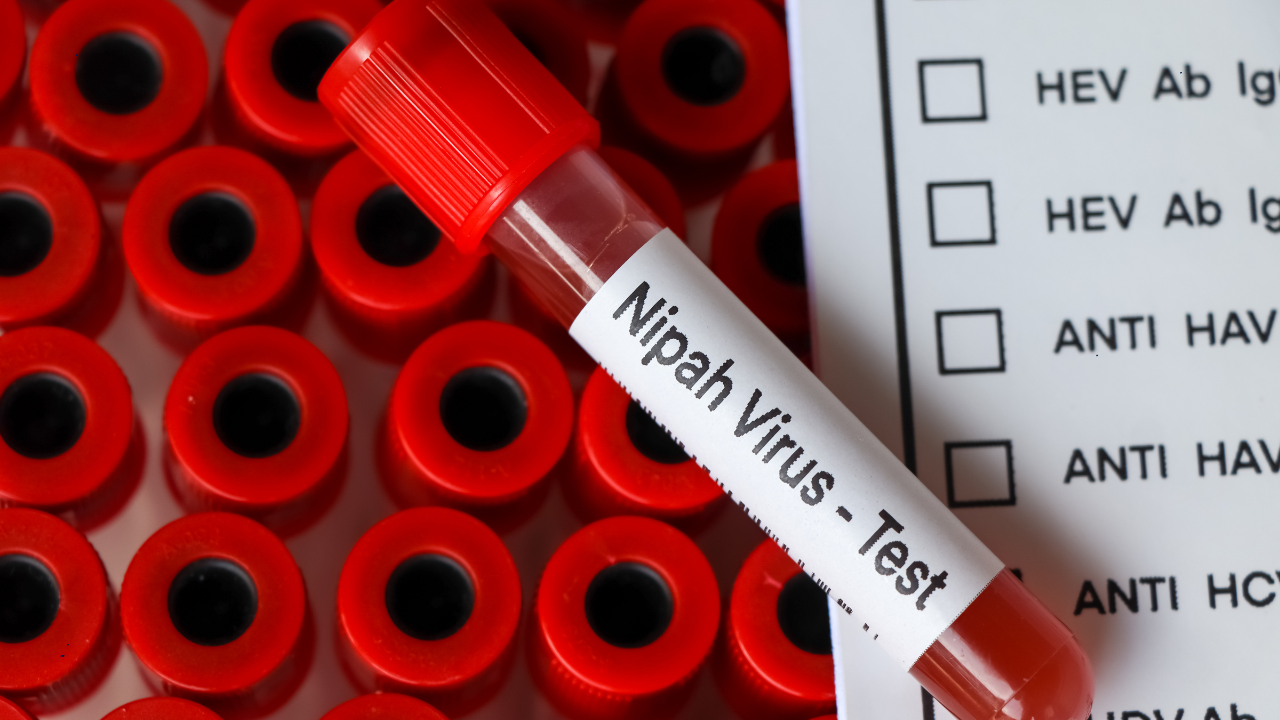
Health authorities in Kerala have reported a positive case of Nipah virus infection in a man from Kozhikode, triggering precautionary measures across the district.The patient tested positive in a preliminary test conducted in Kozhikode and is currently undergoing treatment at Kozhikode Medical College Hospital, officials said.With the fresh scare, health authorities have initiated extensive contact tracing and surveillance measures to prevent any potential spread of the infection.According to officials, the patient arrived at the hospital through the outpatient department and is believed to have interacted with several people before being identified as a suspected Nipah case.While the initial test indicated the presence of the virus, confirmation from a specialized virology laboratory is still awaited. Despite the pending confirmatory result, the state government has activated containment protocols as a precaution. Close contacts of the patient are being identified, monitored, and assessed as part of the standard public health response.Kerala Health Minister Says No Need for PanicAlso read: Bangladesh Battles Growing Measles Outbreak As Confirmed Cases Approach 10,000Kerala Health Minister K. Muralidharan said the patient had extensive contacts but stressed that there was no reason for panic at this stage. The minister noted that the patient had visited multiple departments of the private hospital where he first sought treatment, raising concerns about possible exposure to others.As a precautionary measure, hospital staff who may have come into contact with the patient have been asked to undergo quarantine and monitoring.What Is Nipah Virus?Read More: US Pushes Europe for Ebola Travel Curbs Ahead of FIFA World Cup: Which Countries Have Bans And Do They Work?According to the World Health Organization, Nipah virus is a zoonotic disease, meaning it can spread from animals to humans. It can also be transmitted through contaminated food and, in some cases, directly from person to person.In humans, Nipah infection can range from asymptomatic illness to severe respiratory disease and fatal encephalitis (brain inflammation). The virus can also infect animals such as pigs, causing significant economic losses for farmers.Although only a limited number of outbreaks have been reported in Asia, the virus is known for its high fatality rate and potential to cause severe disease.How Does Nipah Spread?Animal-to-Human Transmission: During the first recognized outbreak in Malaysia, which also affected Singapore, most human infections were linked to direct contact with infected pigs or their contaminated tissues. Transmission was believed to occur through exposure to respiratory secretions or bodily fluids of infected animals.Bat-Contaminated Food: In later outbreaks in Bangladesh and India, the most likely source of infection was the consumption of fruits or fruit products—particularly raw date palm sap—contaminated by saliva or urine from infected fruit bats.Human-to-Human Transmission: Human-to-human transmission has also been documented, particularly among family members and healthcare workers caring for infected patients.Nipah Virus: Symptoms Symptoms of Nipah virus infection may include:FeverHeadacheBreathing difficultiesCough and sore throatDiarrheaVomitingMuscle painSevere weaknessDizzinessAltered consciousness in severe casesEncephalitis (brain inflammation)Why Is Nipah A Concern?Nipah virus is considered a major public health threat because of its high mortality rate, ability to spread through close contact, and the absence of a specific antiviral treatment or approved vaccine for widespread use.Early detection, isolation of suspected cases, contact tracing, and strict infection-control measures remain the most effective tools for preventing outbreaks.