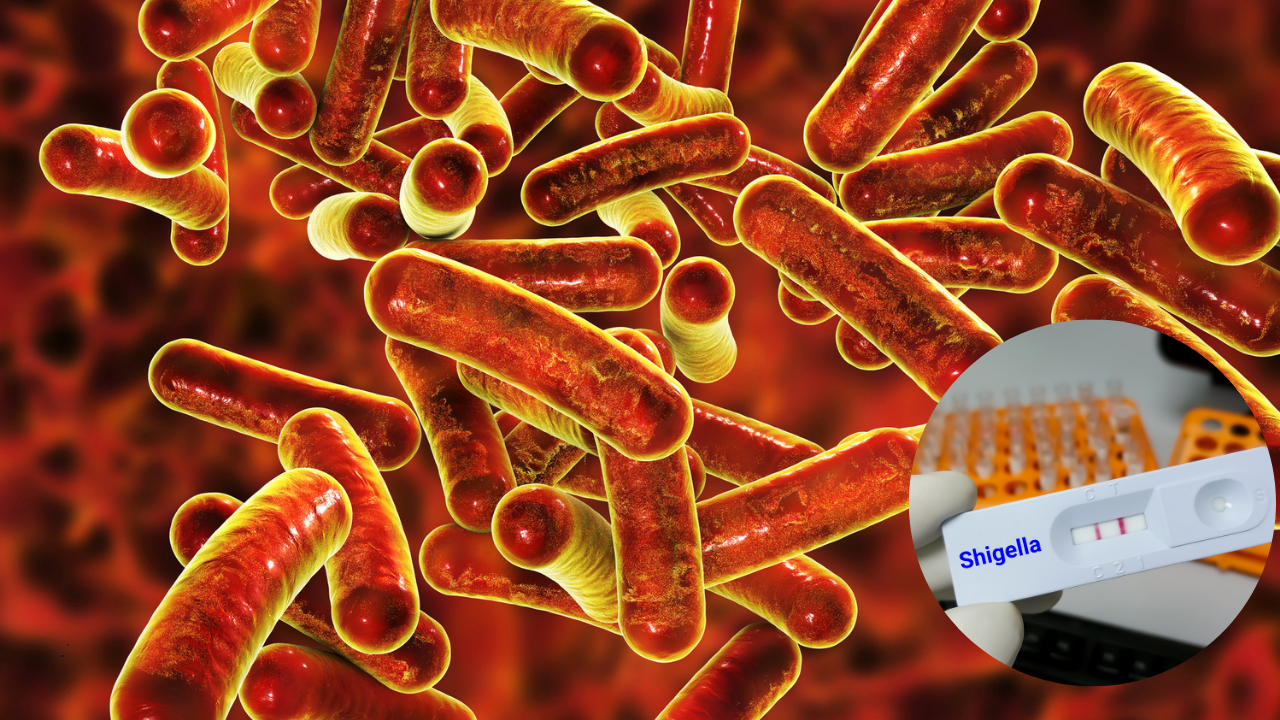
Kerala has reported 70 cases and four deaths due to shigellosis (bacillary dysentery), a highly contagious bacterial disease caused by Shigella bacteria, during June alone.The southern state has recorded a total of 146 cases and five deaths from the intestinal infection since the beginning of the year, according to state Health Minister K. Muraleedharan. While one death was reported in March, the remaining four occurred in June.Out of the 146 cases, 74 were reported in Kozhikode district, followed by 25 cases in Malappuram, including two deaths. Thiruvananthapuram also reported 25 cases, according to figures released by the minister.No Shigella cases have been reported this year from Pathanamthitta, Palakkad, or Kasaragod districts.A one-year-old child undergoing treatment for Shigella infection in the intensive care unit of Kozhikode Medical College Hospital remains in critical condition.Why Children Are Most VulnerableAlso read: Kerala Battles Triple Burden: Shigella, Nipah And West Nile CasesYoung children are particularly vulnerable to the disease, which is primarily spread through contaminated food, contaminated water, and poor hygiene practices.Of the five deaths reported in Kerala this year, four occurred in children under the age of 10. Shigella infections tend to be most severe in children below five years because their immune systems are less efficient at clearing the infection.Dr. Rajeev Jayadevan, former President of the Indian Medical Association (IMA) Cochin and Convener of the Research Cell, Kerala, explained that the bacteria's resilience contributes to its spread.“Shigella is able to withstand the hostile acidic environment of the human stomach. Outside the human body, it can stay alive in water for weeks together,” he told HealthandMe.He added that even a very small number of bacteria—as few as 10 organisms—can cause infection.Drug-Resistant Shigella Rising In The USIn April, the US Centers for Disease Control and Prevention (CDC) highlighted growing concerns about drug-resistant Shigella strains in its Morbidity and Mortality Weekly Report.The report noted that changes in epidemiology and antibiotic resistance are transforming Shigella from a largely self-limiting infection into an emerging public health threat with limited treatment options.According to the CDC, oral carbapenems, pivmecillinam, and fosfomycin may be effective against some resistant strains. However, none have been approved by the US Food and Drug Administration for treating shigellosis.“Treatment of XDR shigellosis remains challenging because no optimal therapy has been established,” the report stated.While Kerala's cases have largely been reported among young children, outbreaks in the United States have been more commonly reported among adult men, highlighting sexual activity as a potential route of transmission.The CDC estimates that approximately 450,000 Americans develop shigellosis each year. Although most patients recover with rest and hydration, severe cases may require hospitalization.Read More: One Month Into DR Congo Ebola Outbreak, Cases Cross 800 As Crisis DeepensShigella: Symptoms And Mode Of Transmission? Shigella can spread through:Touching contaminated surfaces or objectsPhysical contact with an infected personDrinking contaminated waterConsuming ice made from contaminated water Symptoms usually develop within one to three days after exposure and may initially include:FeverDiarrheaBody achesHeadacheBloody diarrheaSevere abdominal crampsHow to Prevent Shigella InfectionOral Rehydration Solution (ORS) can help prevent dehydration, while zinc supplementation may aid recovery.Other preventive measures include:Washing hands thoroughly with soap and water, especially before handling food and after using the toiletMaintaining strict hygiene among food handlersControlling flies and preventing food contamination.