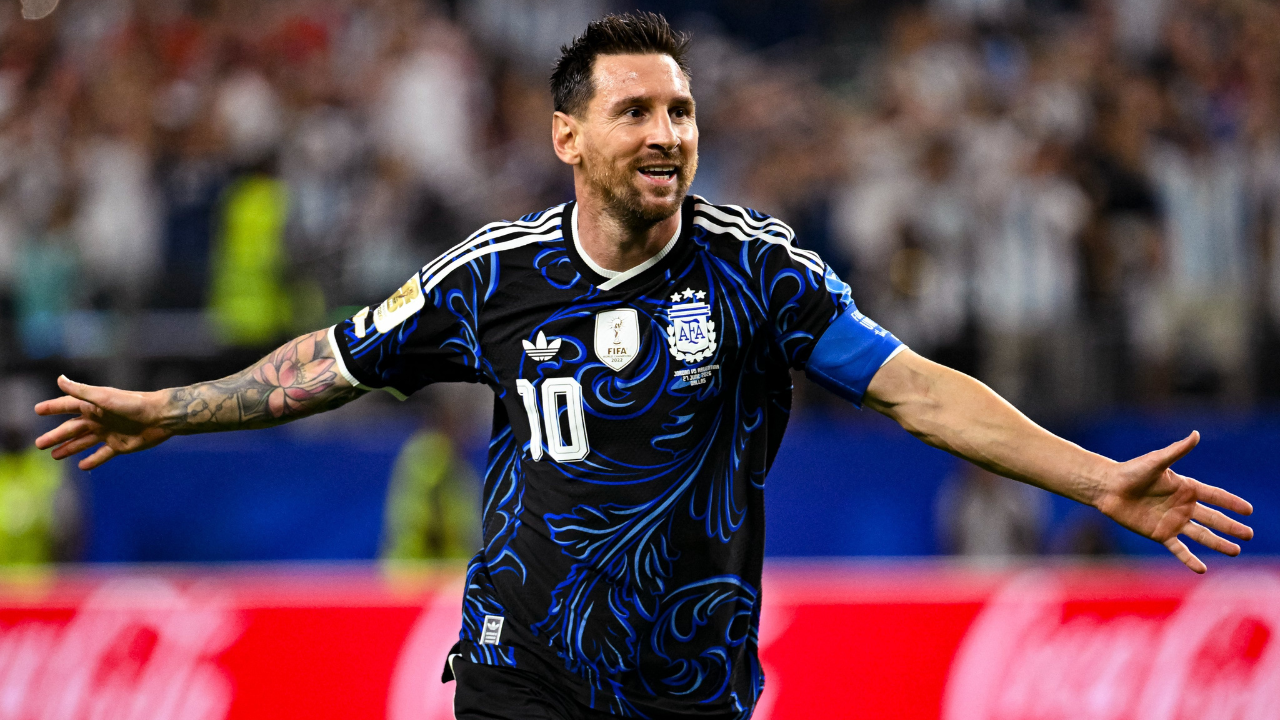
Lionel Messi is one of the most iconic football players in the world. What many people don't realize is that his athletic career almost ended before it truly began. As a child, Messi was diagnosed with Growth Hormone Deficiency (GHD), a rare medical condition that affects normal growth and development. With the ongoing FIFA fever, his story has sparked renewed interest, particularly because Barcelona helped shape football history. What Is Growth Hormone Deficiency? Growth Hormone Deficiency is a condition in which the pituitary gland does not produce enough growth hormone, a hormone essential for normal growth in children. Without adequate treatment, children with GHD often experience the following symptoms: Slower than normal growthShort stature compared to other children of same ageDelayed physical developmentReduced muscle mass and bone growthWhile growth is the most noticeable concern, modern treatment allows many children to achieve normal or near-normal adult height if diagnosed early.Also read: American Pro Football Players 4 Times More Likely To Die From Diseases Like ALS, Dementia & Parkinson's: Study Lionel Messi's Diagnosis Lionel Messi was diagnosed with Growth Hormone Deficiency at around 10 years old. Although his football skills were exceptional, his height lagged significantly behind other children his age. Messi himself has spoken in recent interviews about the financial and emotional challenges his family faced during those years. Doctors recommended regular treatment with synthetic growth hormone, requiring frequent injections over several years. At the time, growth hormone therapy reportedly cost around $900 to $1,000 per month, an amount that Messi's family could not afford. Barcelona Stepped In Messi's local Argentine club, Newell's Old Boys, initially provided some assistance, but not long-term financial support. His skills on the field eventually caught the attention of FC Barcelona. The Spanish club agreed to sign the young Argentine and help cover the costs of his medical treatment. The decision required Messi and his family to relocate from Rosario, Argentina, to Spain, which became one of the most significant turning points in football history.Also read: Former NFL Star Chris Johnson Reveals ALS Diagnosis; Everything You Need To Know About Lou Gehrig's Disease Did Growth Hormone Make Messi A Better Footballer? This remains one of the biggest misconceptions surrounding Messi's football career. Messi received growth hormone therapy as a medically prescribed treatment, not as a performance-enhancing drug. The treatment was meant to correct a hormone deficiency and allow normal physical development under medical supervision. Sports medicine experts have long emphasized that therapeutic treatment for Growth Hormone Deficiency is fundamentally different from the illegal misuse of growth hormone for athletic performance. Can Children With GHD Live Normal Lives? Today, Growth Hormone Deficiency is a recognized endocrine disorder. When diagnosed early and treated appropriately, many children experience significant improvements in growth and can lead healthy, active lives. Treatment typically involves:Daily or long-acting growth hormone injectionsRegular monitoring by pediatric endocrinologistsPeriodic assessment of growth and hormone levelsMessi's story is more than a football success story. It underscores the importance of early diagnosis and access to specialized medical care. Pediatricians recommend evaluating children whose height or growth pace consistently falls well below expected levels for their age.