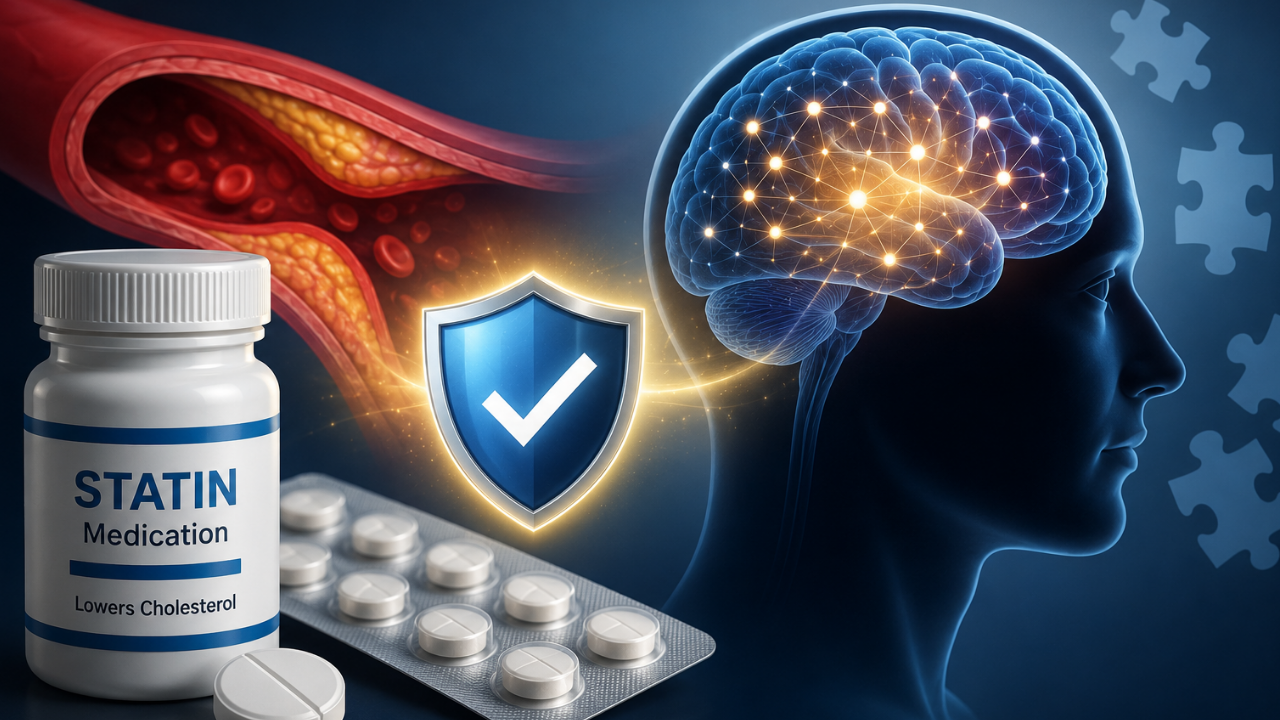
Statins have long had the job of lowering LDL cholesterol and protecting the heart. But new a study has emerged stating that these medicines may have another significant benefit for the brain. A 15-year Danish study involving more than 132,000 people with type 2 diabetes found that those who started taking statins earlier had a 15% lower risk of developing dementia compared with those who started treatment later. Even later, statin use was associated with a 10% lower risk. The researchers suggest that the timing of treatment is key as prolonged exposure to high cholesterol and other cardiovascular risk factors could contribute to damage that accumulate over many years. The findings, presented at the European Society of Cardiology Congress and published in The Lancet Regional Health – Europe, come as researchers are constantly exploring the connection between cholesterol, blood vessels, and brain health. Connection Between Cholesterol And Brain The brain is an enormous delivery network in which billions of cells depend on a constant supply of oxygen and nutrients delivered through tiny blood vessels. High levels of LDL cholesterol can contribute to atherosclerosis, where fatty deposits build up inside arteries. Over time, this can damage blood vessels and restrict blood flow. Damage to the brain's blood vessels can contribute to vascular cognitive impairment and vascular dementia, while strokes can also increase the risk of subsequent cognitive decline.Also read: Hormone Replacement Therapy May Lower Dementia Risk In Women, Shows Study Statins Were Not Proven To Prevent Dementia This study merely observed the correlation between statins and dementia risk, meaning it did not establish a definite cause-and-effect relationship. People who start statins earlier may also differ from those who start later in other ways, including their overall management of diabetes and cardiovascular risk. The researchers therefore say more work is needed to determine whether statins have a direct protective effect on the brain.Also read: Bruce Willis’ Daughter Rumer Undergoes ‘Terrifying’ Genetic Tests Amid Dad’s Dementia Diagnosis Does Lower Cholesterol Mean Better Brain Health? It is important to note the difference between treating unhealthy LDL cholesterol levels and assuming that everyone should aggressively lower cholesterol to prevent dementia. Statins remain as the medication to reduce cardiovascular risk. Their potential brain benefits are an additional area of research. So, people must not blindly start popping statins to lower the risk of neurodegenerative diseases like dementia. There is another reassuring point for people already taking statins. The concerns that these medicines may result in the increase of dementia risk have not been supported by the strongest available evidence. A large review of randomised trials earlier this year found that most reported statin side effects were no more common than with placebo, including reported memory problems. The most interesting takeaway may not be that “statins prevent dementia.” The evidence isn't strong enough to make that claim yet. It is that heart health and brain health are deeply intertwined. Managing cholesterol, blood pressure, diabetes and other cardiovascular risk factors, along with regular physical activity and a healthy diet, may help protect the blood vessels that keep the brain functioning.