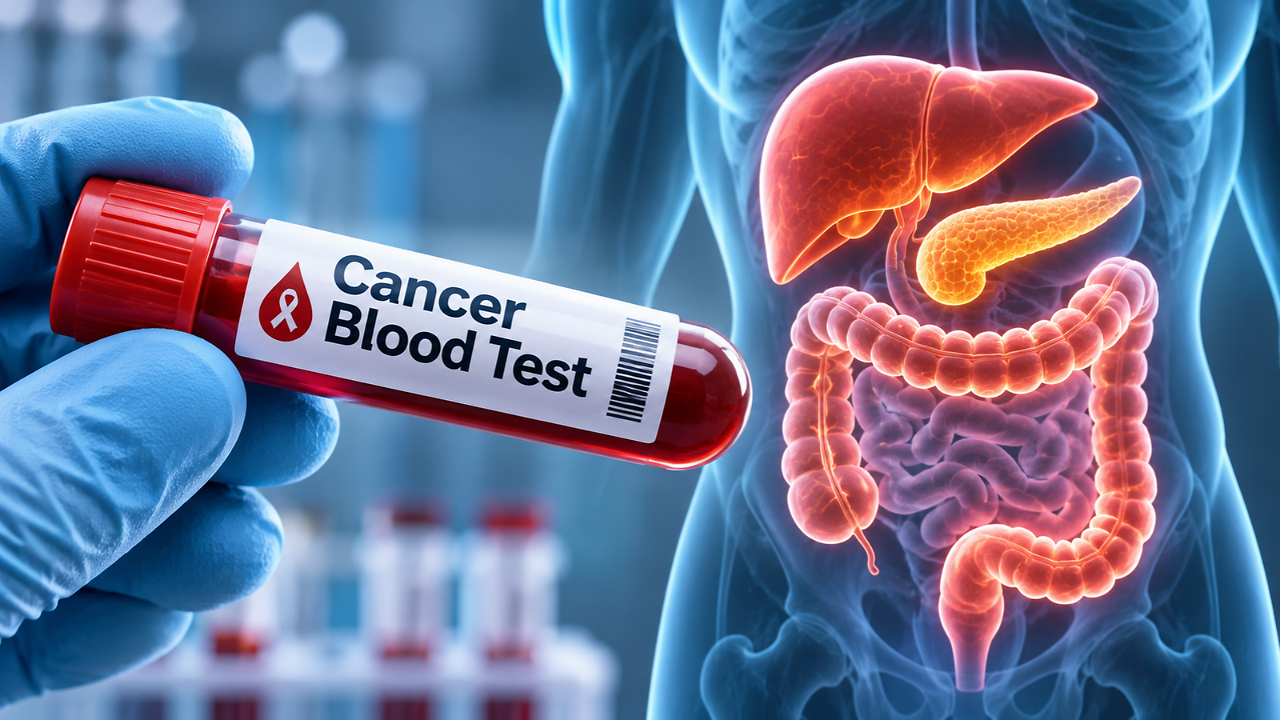
The UK's National Health Service (NHS) is launching a major trial of blood tests designed to detect 13 different cancers, including bowel, pancreatic, liver and ovarian cancer.More than 20,000 patients with symptoms like constant bloating or abdominal discomfort are invited to participate in the trial. It spans across more than 200 GP practices in England.Called STRIDE-RCT, the study is being led by the University of Birmingham and will assess whether three different blood tests can help GPs identify patients who may need further cancer screening sooner.The tests detect either tiny fragments of DNA released by tumours into the bloodstream or proteins linked with the body's response to cancer. A single blood sample could provide signals linked with several cancer types and help indicate where the cancer may have originated.The trial is aimed to determine if certain cancers can be detected early, especially those whose symptoms may overlap with other less serious conditions. Which 13 Cancers Can The Blood Tests Detect?Also read: Blood Test That Could Detect 50+ Cancers Closer To Approval As FDA Raises No Major Concerns About Its AccuracyThe trial will examine the tests for their ability to identify these 13 cancers:Bowel cancerSmall bowel cancerStomach cancerOesophageal cancerPancreatic cancerLiver cancerBile duct cancerGallbladder cancerOvarian cancerEndometrial cancerKidney cancerBladder cancerProstate cancerThese cancers collectively equal approximately 35,000 deaths each year in England.The study will evaluate three blood tests. One of them, called Enlighten, was developed by UK biotechnology company Proteotype Diagnostics. It looks for proteins in the blood that indicate the immune system may be responding to early signs of cancer.Another test, Signatera, is already used by the NHS to monitor whether certain cancers have returned. It detects circulating tumour DNAor fragments of genetic material released by cancer cells into the bloodstream.Early Detection Of Abdominal Cancers Is ImportantAlso read: Multicancer Blood Test Detects 17 Cancer In A Large Study: Can It Replace Mammograms & Colonoscopies?Many abdominal cancers are diagnosed at advanced stages because their early symptoms can be easily mistaken for digestive problems or other common conditions.Bloating, abdominal discomfort, changes in bowel habits, unexplained weight loss and loss of appetite can have several possible causes. This can make it difficult for patients and doctors to identify cancer early.According to the trial announcement, around nine in 10 people diagnosed with stage 1 bowel cancer survive for at least five years, compared with approximately one in 10 people diagnosed at stage 4.Professor Peter Johnson, NHS national clinical director for cancer and chair of the Office for Life Sciences Cancer Goal, said, “Detecting abdomen cancer early is notoriously difficult because the symptoms can easily be mistaken for other less serious conditions, but the NHS is determined to find a solution.”He added, "We are at the start of revolution in cancer diagnosis, and this trial will help us to find out whether blood tests can help GPs get the right patients to the right tests sooner, supporting earlier diagnosis when treatment is most likely to be successful."He said it was important to gather evidence about the new technologies and thanked those participating in the research.Health Secretary Yvette Cooper also highlighted the potential benefits of earlier diagnosis."The earlier cancers are diagnosed, the more chance they can be successfully treated and lives can be saved," she said. "This world-first trial will establish whether simple blood tests can help GPs identify much sooner the patients who need urgent support." The new STRIDE-RCT trial comes after the NHS-Galleri trial, which investigated whether a single blood test could detect multiple cancers before symptoms appeared. That trial involved more than 142,000 people aged 50 to 77 across England. Participants were randomly assigned to receive either the Galleri blood test alongside usual NHS care or usual care alone.The Galleri test looks for patterns in tumour DNA circulating in the blood that may signal the presence of cancer.However, results published in September 2026 showed that the trial did not meet its primary objective of reducing the combined incidence of stage III and stage IV cancers across 12 cancer types. Researchers did observe fewer stage IV cancers, but said further follow-up was needed.