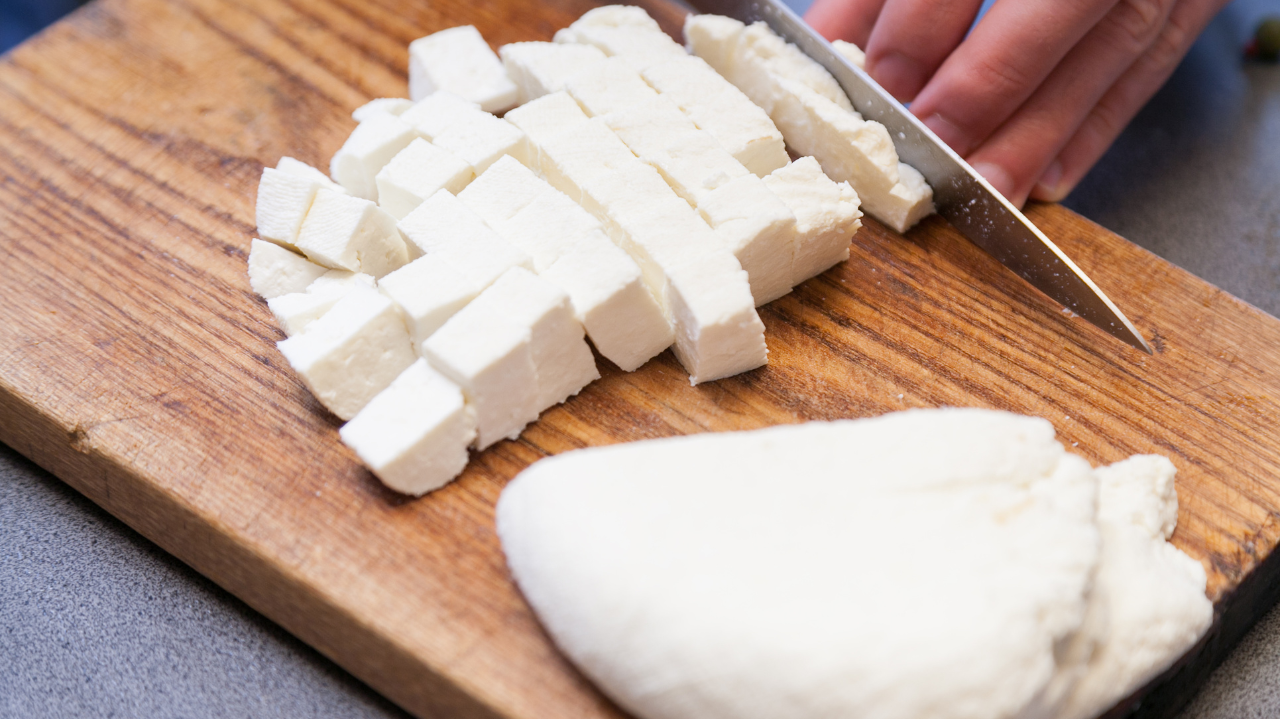
After several months of a statewide crackdown on food adulteration, Maharashtra has now banned the manufacture and sale of non-dairy paneer, commonly known as analogue paneer or analogue cottage cheese.The move follows multiple raids on fake paneer manufacturing units and the seizure of large quantities of spurious dairy products. Earlier this week, the Chhattisgarh government also banned the sale and use of analogue paneer across the state. The Health Department announced that the product will no longer be permitted in markets, hotels, restaurants or roadside eateries. Maharashtra has now become the second Indian state to impose such a ban.Ban on Manufacture and Sale of Analogue PaneerThe order, issued by Food Safety Commissioner Tukaram Mundhe in Maharashtra, prohibits the manufacture, processing, packing, storage, transportation, wholesale and retail sale, distribution, and offering for sale of analogue or non-dairy paneer across the state.Violations can attract up to six months' imprisonment and a fine of Rs 1 lakh under the Food Safety and Standards Act, 2006.In cases where the consumption of unsafe food results in death, the law provides for life imprisonment and a minimum fine of Rs 10 lakh.As per the Maharashtra Maharashtra Food and Drug Administration (FDA), strict legal action will also be taken against individuals or establishments selling analogue paneer as genuine dairy paneer for misleading consumers.Why Was the Ban Imposed?The decision follows findings from the Maharashtra FDA's year-long enforcement and surveillance drive.According to the regulator, routine inspections, food sampling and awareness campaigns failed to curb the sale of analogue paneer. "The proportion of non-conforming samples remained persistently high at 35.4 per cent of the samples analysed," the FDA order stated. Between April 1, 2025, and March 31, 2026, the FDA collected paneer and analogue paneer samples from across the state.Further, the FDA stated that its year-long inspections found that hotels, restaurants, caterers and other food establishments were routinely using analogue paneer instead of genuine paneer without informing customers through menus, invoices or display boards.Authorities also found that analogue paneer was often transported and sold without original packaging, mandatory labels, invoices, batch identification or traceability documents, making it difficult to identify its source and increasing risks to public health.Analogue vs Diary PaneerTraditional paneer is a fresh, soft, non-melting cheese commonly used in Indian cuisine. It is made by curdling milk with acidic ingredients such as lemon juice, vinegar, or citric acid, separating the curd from the whey. The curds are then drained and pressed to remove excess water.On the other hand, analogue paneer is made using vegetable fats or oils, starches and other non-dairy ingredients instead of milk fat.As per the Food Safety and Standards Authority of India (FSSAI) regulations:Paneer must be made from milk.It should not contain added starch, non-dairy fats, or synthetic ingredients.Analogue paneer can be sold only if it is clearly labelled as "analogue" or "imitation" and not marketed as genuine paneer.How to Identify Fake PaneerFSSAI and experts recommend these simple checks:Check the texture: Genuine paneer is firm with a fresh milky smell. Fake paneer tends to crumble or melt quickly when heated.Read the label: Products made with non-dairy substitutes must be labelled as "analogue" or "imitation".Iodine test: Boil a piece of paneer, add a few drops of iodine tincture. If it turns blue, it may indicate the presence of starch.Toor dal test: Boil the paneer, cool it in water, add some toor dal and leave it for 10 minutes. If the water turns light red, it may indicate adulteration.What Are the Health Risks?Health experts warn that adulterated paneer can pose serious health risks, especially if manufactured using unsafe ingredients.Possible risks include:Food poisoningVomiting and diarrheaAllergic reactionsKidney damage from nephrotoxic compoundsLiver damage due to toxin accumulationExposure to chemicals such as formalin, detergents or industrial stabilizers, if used in illicit preparationsChildren, pregnant women and people with pre-existing medical conditions are considered particularly vulnerable.