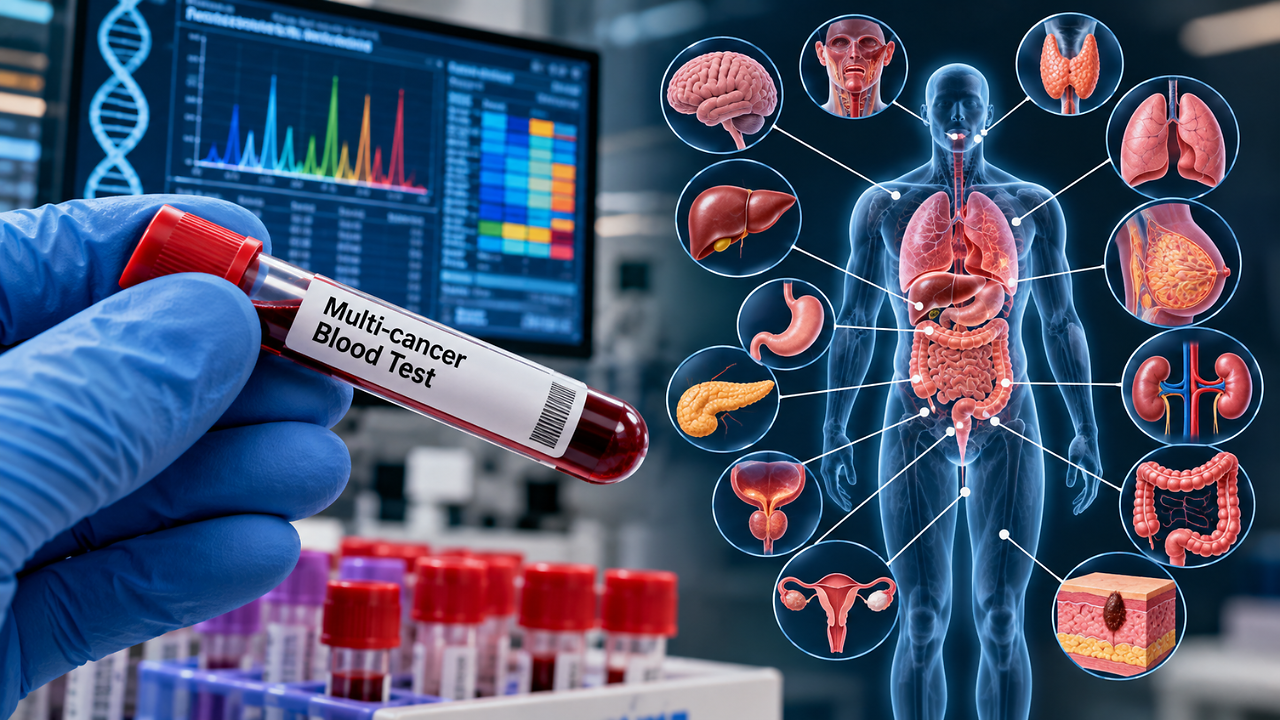
A blood test that could detect for signs of multiple cancers at the same time could soon becoming a reality in the cancer-screening space. But while the outcome of the trial is promising, we can’t help but wonder if the blood test could actually replace existing cancer screening tests. New research published in Nature Medicine show that a multicancer early detection (MCED) test identified cancer signals across 17 cancer types, including ovarian, lung, breast and colorectal cancers. The prospective PATHFINDER 2 study followed 35,878 adults aged 50 and above. So, could a single blood test eventually mean fewer mammograms, colonoscopies, or other routine screening tests? The answer to that question is multi-faceted. How Does A Multicancer Blood Test Work? Unlike a conventional blood test that measures things such as blood sugar or cholesterol, an MCED test looks for biological signals released by cancer cells into the bloodstream. It means that one blood sample could potentially look for several cancers at once, including cancers for which there is currently no recommended population screening test. About The New Study Also read: US Cancer Death Rates Fall For Men, Women: Lung Cancer Progress Drives DeclineIn PATHFINDER 2, researchers studied more than 35,000 adults aged 50 and older. The test detected signals across 17 broad cancer types, including cancers of the lung, breast, ovary and colon. But detecting a cancer signal is not the same as diagnosing cancer. A positive result has to be followed by diagnostic tests such as imaging, endoscopy or biopsy to determine whether cancer is actually present. The study also poses a different challenge. If a person receives a negative result, it does not mean they don’t have cancer. Can It Replace Mammograms Or Colonoscopies? Also read: Urine & Vaginal Samples May Help Detect Womb Cancer: Lancet Study Suggests Less Invasive Way To Triage PatientsThis is something healthcare providers and patients may wonder if MCED test receives a green light. The manufacturer says the test is intended to complement, not replace, established screening such as mammograms and colonoscopies. In the large NHS-Galleri randomized trial, adding the blood test to usual care did not reduce the incidence of stage III or IV cancers, the study's primary endpoint. In performance analyses, sensitivity for all cancers ranged from about 27% to 37% across screening rounds. That means the test can miss cancers, particularly when they are at an early stage. Promising But There’s A Catch The biggest promise of multicancer testing is that it could identify cancers that currently have no routine screening programme, using a relatively simple and non-invasive blood draw. But the biggest challenge is proving that finding those cancers earlier actually helps people live longer. A positive result can lead to scans, biopsies and anxiety when cancer is ultimately not found. A negative result could also create false reassurance and risks of delayed treatment. So does finding cancer this way, early enough and accurately enough, actually change outcomes? That is what will ultimately determine whether multicancer blood tests become a truly valuable screening tool.