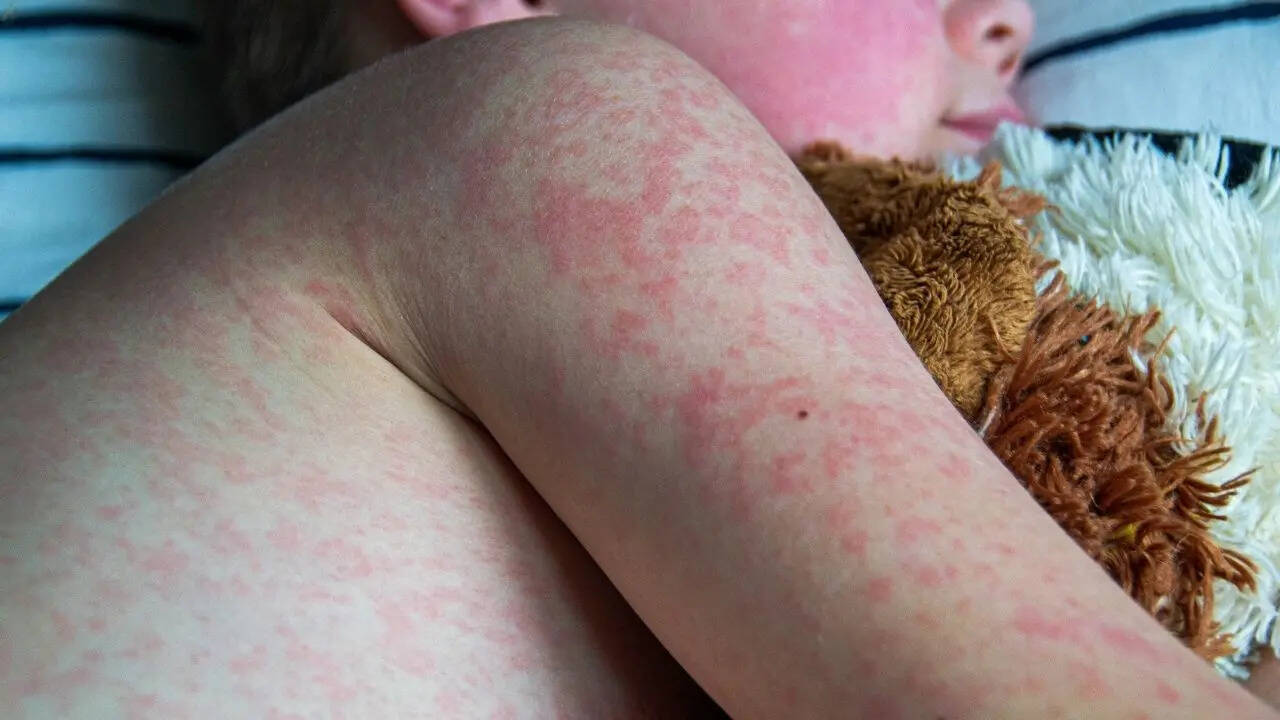
The Upstate South Carolina measles outbreak grew to 434 confirmed cases by Tuesday, officials reported. Health authorities said the outbreak has expanded quickly, with 124 new cases recorded in just a few days between January 9 and January 13, 2026. According to the South Carolina Department of Public Health, around 409 people were placed under quarantine and 17 were kept in isolation as of Tuesday. Officials also confirmed that one individual, unaware they were contagious at the time, visited the South Carolina State Museum in Columbia on January 2 between 1 pm and 5 pm. Anyone who was at the museum during that window may have been exposed and has been advised to watch closely for symptoms.What Is Measles?Measles, also known as rubeola, is a highly contagious viral illness that typically causes fever, cough, runny nose, red eyes, and a widespread red rash. It spreads through airborne droplets released when an infected person coughs or sneezes. The virus is extremely infectious and can remain in the air or on surfaces for up to two hours. While some cases are mild, measles can lead to serious complications such as pneumonia, swelling of the brain, and even death, especially in young children. A safe and effective vaccine has prevented millions of deaths worldwide, but outbreaks continue to occur in areas with low vaccination coverage, according to the Mayo Clinic.Measles Cases Spreading In The USSouth Carolina health officials said yesterday that the state’s measles count has reached 434 after confirming 124 new cases. At present, 409 residents are in quarantine and 17 are in isolation, with some quarantine periods expected to last until February 6. Mobile vaccination units are operating this week, and officials are strongly encouraging residents to get vaccinated. “Getting vaccinated now can help people avoid long periods of quarantine at home after exposure to the measles virus. Vaccination within 72 hours of exposure can prevent measles infection,” the state’s department of public health said in its latest update.Measles SymptomsMeasles can result in hospitalization and, in severe cases, death. Common symptoms include:High fever, which can rise above 104 degreesCoughRunny noseRed, watery eyesTiny white spots inside the cheeks, gums, and on the roof of the mouth known as Koplik spots, appearing two to three days after symptoms beginA red, raised, blotchy rash that usually starts on the face and spreads to the trunk, arms, and legs within three to five days after symptoms startMeasles Vaccine PreventionAccording to the US Centers for Disease Control and Prevention, the measles, mumps, and rubella or MMR vaccine is 97 percent effective against measles and 86 percent effective against mumps when both recommended doses are received.The MMR vaccine is part of the routine childhood immunization schedule. The first dose is typically given between 12 and 15 months of age, followed by a second dose between ages 4 and 6. Children who are traveling internationally may receive the vaccine earlier.As reported by CIDRAP, South Carolina allows religious exemptions from vaccination through a notarized form, without requiring a doctor’s approval. One of the schools linked to the early phase of the outbreak, Global Academy of South Carolina, reported a vaccination rate of just 17 percent during the 2024 to 25 school year.Of the 434 measles cases tracked over the past six months, 378 patients were unvaccinated and 47 had an unknown vaccination status. Only six people were fully vaccinated, while three had received partial vaccination. About two thirds of all measles cases in South Carolina involve children and teens aged 5 to 17, accounting for 287 cases.