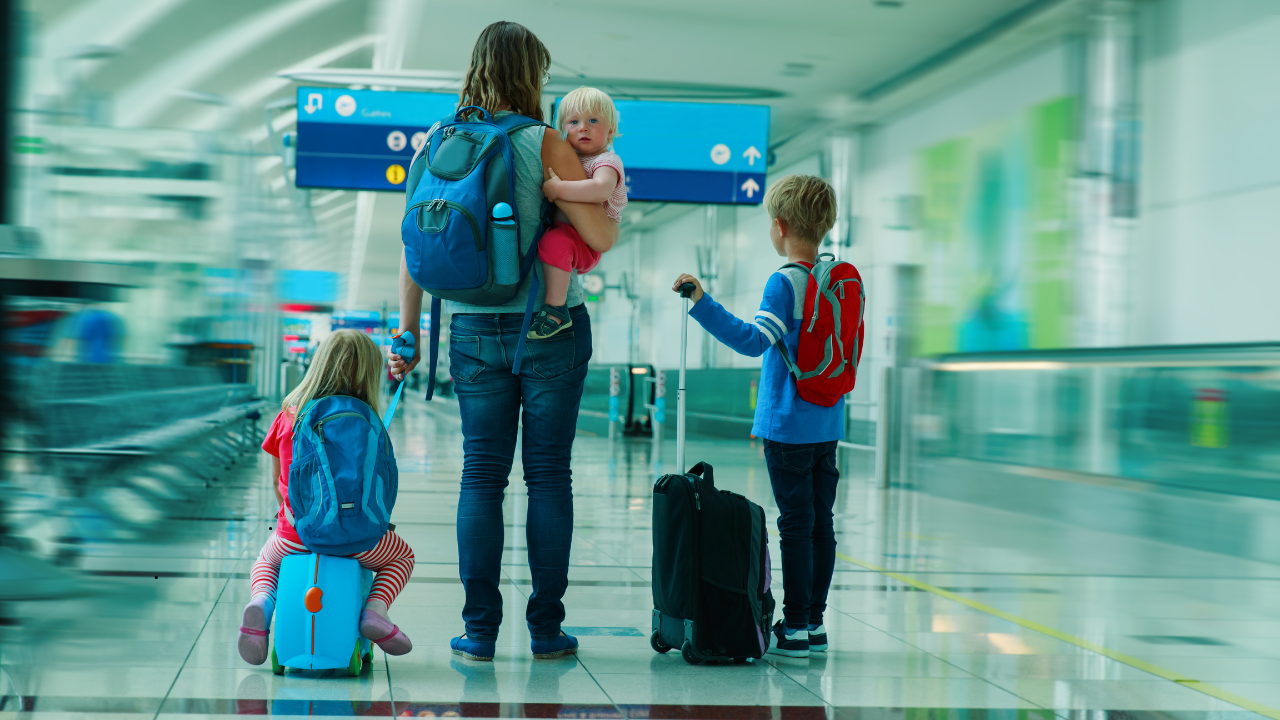
On March 9, the United States issues a travel advisory against global polio and listed 32 countries, including some European countries. The International travel often comes with vaccine reminder and health checks to stay safe. The Centers for Disease Control and Prevention (CDC) issued a Level 2 travel advisory for certain international destinations with circulating poliovirus. The CDC has asked travelers to ensure they are up to date on their polio vaccines.The Destination list for global polio travel Advisory notice includes:AfghanistanAlgeriaAngolaBeninBurkina FasoCameroonCentral African RepublicChadCôte d'IvoireDemocratic Republic of the CongoDjiboutiEthiopiaGazaGermanyGuineaIsraelLaosNamibiaNigerNigeriaPakistanPapua New GuineaPolandSenegalSomaliaSouth SudanSudanTanzaniaUnited KingdomYemenThe CDC issued a 'Level 2' advisory, which means to 'practice enhanced precautions'.The advisory suggests that children and adults should be up to date on their routine polio vaccines. Travelers are also asked to get an inactivated polio vaccine booster if they are going to the destination that has circulating poliovirus, or have completed their routine polio vaccine series; and have not already received one adult booster dose.If Polio Has Been Eliminated In The US, Then Why Do Travelers Need Advisory?Dr Leana Wen, CNN wellness expert, who is an emergency physician and adjunct associate professor at the George Washington University said that while the US eliminated continuous transmission of polio in 1979, eradication within the country does not eliminate the risk when people travel to places where the virus is still circulating. Speaking to CNN, Wen said that the risk for any individual traveler is usually low if they are fully vaccinated, however, from a population health perspective, it is important to take the precautionary steps. "Even a single imported case could lead to local spread in communities where vaccination coverage is low."Types Of Notices Issued By CDCThe CDC issues four different types of notices based on the gravity of the disease spread.Level 1 : Practice Usual PrecautionsPractice usual precautions for this destination, as described in the Travel Health Notice and/or on the destination page.Level 2: Practice Enhanced PrecautionsPractice enhanced precautions for this destination. The Travel Health Notice describes additional precautions or defines a specific population at risk.Level 3: Reconsider Nonessential TravelReconsider nonessential travel to this destination. The outbreak or event poses risk to travelers because limited precautions are available.Level 4: Avoid All TravelAvoid travel to this destination unless traveling for humanitarian aid or emergency response; there is an extreme health risk for travelers and no available precautions.What Is Polio?The World Health Organization (WHO) notes that it is a highly infectious disease caused by a virus that invades the nervous system and can cause total paralysis in matter of hours. The virus is transmitted by person to person spread mainly through the fecal-oral route, or less frequently, by a common vehicle, which could be either from contaminated food or water. The virus also multiplies in the intestine.The National Institute of Health (NIH), US, notes that the virus responsible for causing Polio belongs to the Picornaviridae family.As per the WHO, the common Polio symptoms are:FeverFatigueHeadacheVomitingStiffness of the neck aPain in the limbsHow Does Polio Spread?Polio is mainly transmitted through the fecal-oral route, meaning it spreads when a person consumes food or water contaminated with the virus. It can also spread through close contact with an infected individual. The poliovirus lives in the throat and intestines of those infected, and poor sanitation, unsafe water, and inadequate hygiene greatly increase the risk of transmission, especially in communities with limited access to clean facilities.In severe cases, polio can lead to acute flaccid paralysis, which may affect the diaphragm and throat muscles, making it difficult to breathe or swallow. Since there is no cure for polio, prevention remains the only line of defense. Raising awareness about polio vaccination is therefore essential to protect individuals, especially children, from this potentially life-threatening disease.