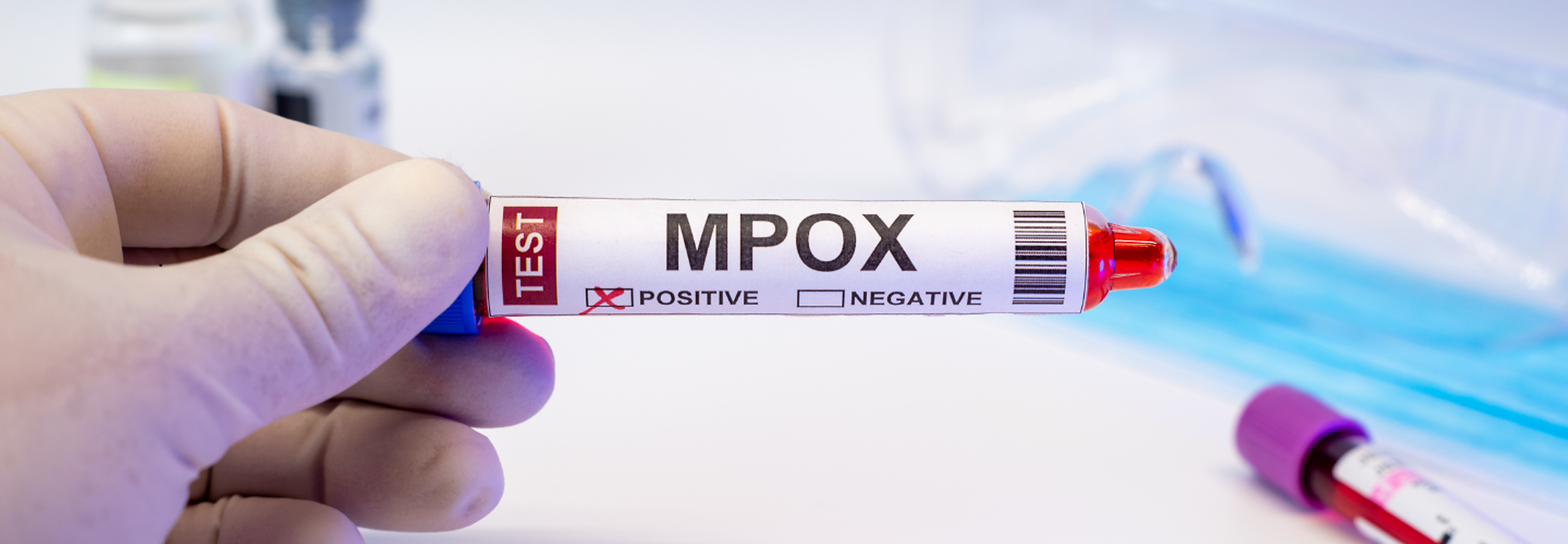
Mpox cases in Africa have seen a dramatic increase of over 500% compared to the previous year. This alarming surge is evident from the latest data released by the Africa Centres for Disease Control and Prevention (Africa CDC). The rapid spread of the virus across the continent has raised significant concerns among health officials and experts. The situation is particularly dire in Central Africa, where the majority of cases and deaths have been reported. In a significant development, the World Health Organization (WHO) declared mpox a global health emergency in mid-August. This declaration underscores the severity of the outbreak and the need for urgent global action. The emergence of a new strain, clade Ib, originating from the Democratic Republic of Congo, has further complicated the situation. This strain has been rapidly spreading to neighboring countries and has even been detected in European nations. Ongoing Pandemic of Monkey PoxDespite global efforts to contain the outbreak, the number of mpox cases continues to rise. Ngashi Ngongo from the Africa CDC highlighted the persistent upward trend during a recent briefing. This indicates that the virus is still actively spreading, and the situation remains far from under control. The lack of effective control measures and the limited availability of vaccines and treatments have contributed to the ongoing surge in cases. The mpox outbreak has affected numerous African countries, with nineteen nations reporting over 48,000 suspected cases and 1,048 deaths so far this year. Central Africa has been hugely impacted, accounting for an almost 85.7% of cases and 99.5% of deaths on the continent. This highlights how vulnerable the region is and the urgent need for targeted interventions to stop the spread of the virus. How Does the Virus Spread?Mpox is primarily transmitted through close physical contact, including sexual contact. The virus can enter the body through broken skin, the respiratory tract, or the mucous membranes of the eyes, nose, or mouth. The new clade Ib strain has exhibited increased transmissibility and has spread beyond the African continent, reaching Europe. Cases have been confirmed in countries like Sweden, Germany, and the United Kingdom, raising concerns about the potential for a global pandemic. What are the Symptoms?Mpox symptoms typically manifest within 3 to 21 days post-exposure and can range from mild to severe. Common symptoms include fever, headache, muscle aches, backache, swollen lymph nodes, chills, and exhaustion. A distinctive characteristic of mpox is the development of a rash that often begins on the face and progressively spreads to other body parts, including the palms of the hands and soles of the feet. Urgent Call for ActionTo effectively control the mpox outbreak, urgent action is required on multiple fronts. Ngashi Ngongo emphasized the need for continued political engagement and increased financial support to implement effective control measures. He also warned of the potential for mpox to evolve into a sexually transmitted pandemic, which could have devastating consequences. International cooperation, rapid diagnosis, and prompt isolation of infected individuals are crucial to prevent further spread and mitigate the impact of this deadly disease.