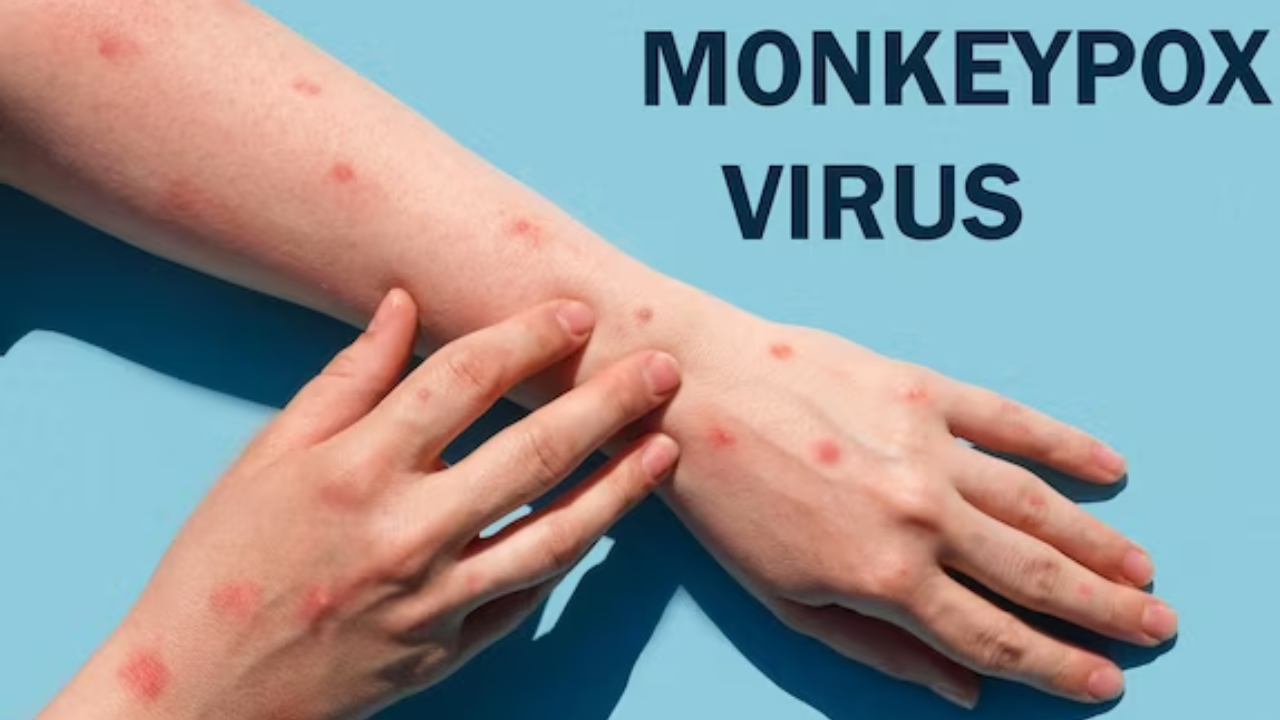
According to the WHO, nearly 27,000 cases of mpox have been reported in the DRC this year, resulting in approximately 1,100 deaths, with the majority of fatalities occurring among children. In recent months, the resurgence of monkeypox, now termed mpox, has become a global health concern. Initially endemic to parts of Africa, mpox has spread to various regions, prompting alarm from health authorities worldwide. The World Health Organization (WHO) and other health bodies are closely monitoring the situation as cases rise, highlighting the need for awareness and preparedness. This outbreak underscores the complexities of zoonotic diseases and their capacity to cross borders, affecting global public health.As mpox spreads, the Africa CDC has flagged the situation as a potential health emergency, with the disease rapidly gaining traction. The WHO has echoed these concerns, calling for an emergency meeting to address the escalating situation and coordinate global responses.Mpox Outbreak and Why it is Declared an EmergencyThe current mpox outbreak has seen a significant rise in cases, with notable spikes in regions outside its traditional endemic areas. The outbreak has been particularly pronounced in parts of Africa, but cases have also been reported in other continents, raising concerns about its global spread.Symptoms of MpoxMpox symptoms are similar to those of smallpox and can include fever, muscle aches, headache, and a rash that often starts on the face and spreads to other parts of the body. The rash progresses through various stages, from flat spots to raised bumps, eventually forming scabs. This symptom profile makes early detection and diagnosis crucial.- Fever- Headaches- Muscle aches- Swollen lymph nodes- Rash starting on the face and spreading to other parts of the body- Rash evolving from spots to pustules, which eventually scab overEarly recognition of these symptoms is crucial for timely medical intervention and isolation to prevent the spread of the disease.Mpox Prevention and TreatmentAccording to WHO, identifying mpox is not easy as other viral infections and related health conditions can look similar. Preventing mpox involves several key strategies. First, awareness and education about the disease's symptoms and transmission routes are essential. Mpox is primarily transmitted through contact with infected animals, particularly rodents, and through direct human-to-human contact with infected lesions or bodily fluids. Ensuring good hygiene, avoiding contact with infected individuals or animals, and using personal protective equipment can help reduce transmission risks.Minimize contact with individuals who have suspected or confirmed monkeypox.Wear gloves, masks, and gowns when caring for infected individuals.Wash hands frequently with soap and water or use hand sanitizer.Clean and disinfect surfaces and objects that may be contaminated.Refrain from contact with rodents and other animals that may carry the virus.Ensure those with symptoms are isolated from others to prevent transmission.Consider vaccination if available and recommended by health authorities.Treatment for mpox is supportive and focuses on alleviating symptoms. There is no specific antiviral treatment approved for mpox, but the smallpox vaccine has shown some effectiveness in preventing infection. Healthcare providers may use antiviral medications and other supportive care measures to manage severe cases.As the situation evolves, health authorities are emphasizing the importance of surveillance, timely reporting, and international cooperation to curb the spread of mpox. The global response will require coordinated efforts to ensure effective containment and support for affected regions.Mpox represents a serious health threat, requiring vigilance and prompt action. Staying informed and following public health guidelines can help manage and mitigate the outbreak’s impact.