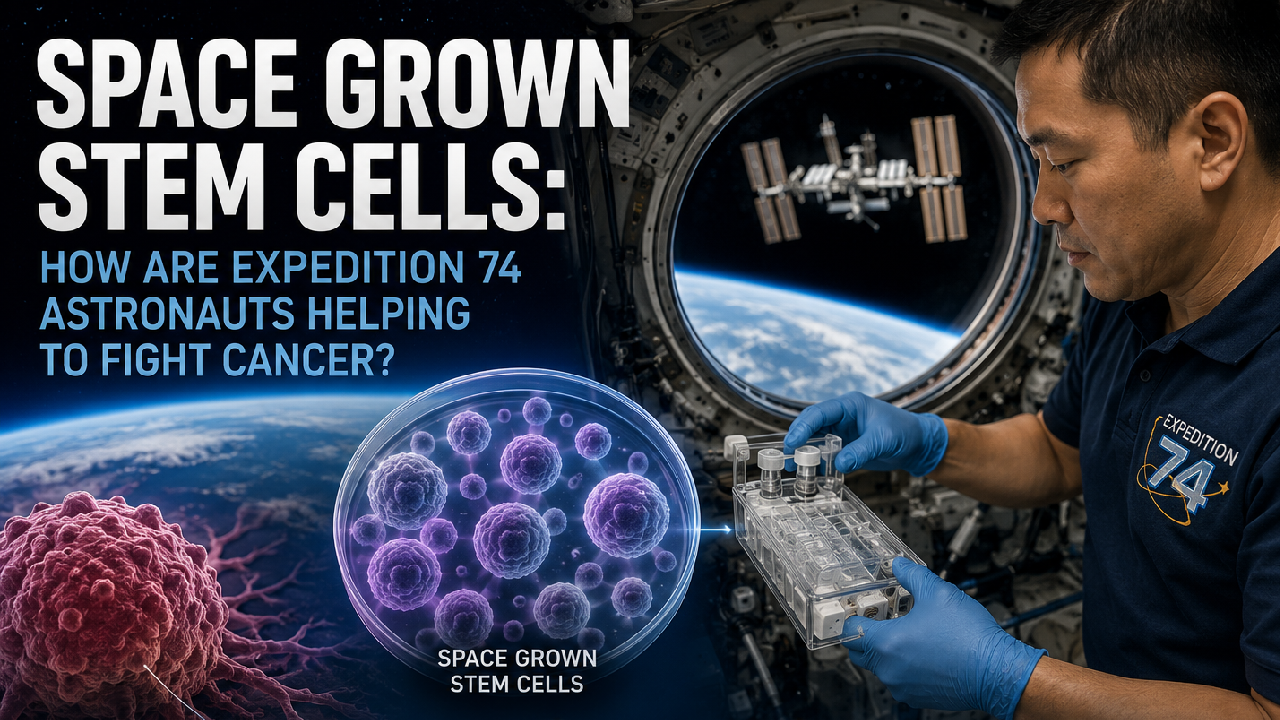
The International Space Station is conducting a very important study as Expedition 74 astronauts are researching how to manufacture large quantities of stem cells for treatment purposes on Earth. Research previously mostly worked on hardware to produce a large amount of stem cells, but now the InSPA-StemCellEX-H2 is trying to produce the cells for medical purposes.This endeavor will rely on the process called “expansion”, which will use the stem cells from the human body and divide them. Though this is already possible on earth, the quality of created stem cells is far poorer than those from the human body, as it cannot create new cells in the blood, but the ones created in space will solve this problem, which will be crucial in the treatment of leukemia, as they need stem cells in the blood system post-chemotherapy.Dr. Tobias Niederwieser, assistant research professor at BioServe Space Technologies within the University of Colorado Boulder, says, “The microgravity environment in space is much more suitable for keeping the stem cells in their high-quality state during expansion.” He added, “The result is really to benefit patients in hospitals here on Earth.”Read Also: Pancreatic Cancer: What Is The Role Of Keratin 17 In Driving The Feared Disease?What Are The Daily Habits That Can Reduce Cancer Risk?Consuming a healthy and balanced diet rich in fruits, vegetables, whole grains, and lean proteins can reduce cancer risk. Berries, nuts, and green leafy vegetables contain many antioxidant properties that are useful in fighting oxidative stress-induced cancer.Regular physical activity keeps the body fit and reduces the risk of breast, colon, and endometrial cancers. Participating in moderate exercise for at least 150 minutes per week or 75 minutes of vigorous activity, such as walking, swimming, or yoga.Avoid tobacco and cut down on alcohol consumption.Read Also: How Weather Changes Trigger Migraines, Neurologist ExplainsSkin cancer is one of the most preventable types of cancer. Applying sunscreen with high SPF, finding shade, and avoiding tanning beds would save you from harmful ultraviolet rays.Long-term stress can weaken the immune system and may contribute to an increased risk of cancer. Incorporating stress-relief techniques such as mindfulness, practising deep-breathing exercises, and engaging in enjoyable hobbies can enhance overall well-being. Also, having adequate sleep, 7-8 hours of quality sleep each night, aids cellular repair and maintains a robust immune system.Exposure to environmental elements like pesticides, pollutants, and workplace chemicals can increase the risk of cancer. To avoid this risk, wearing protective gear, opting for organic produce, and ensuring adequate ventilation in living or working areas can greatly assist.