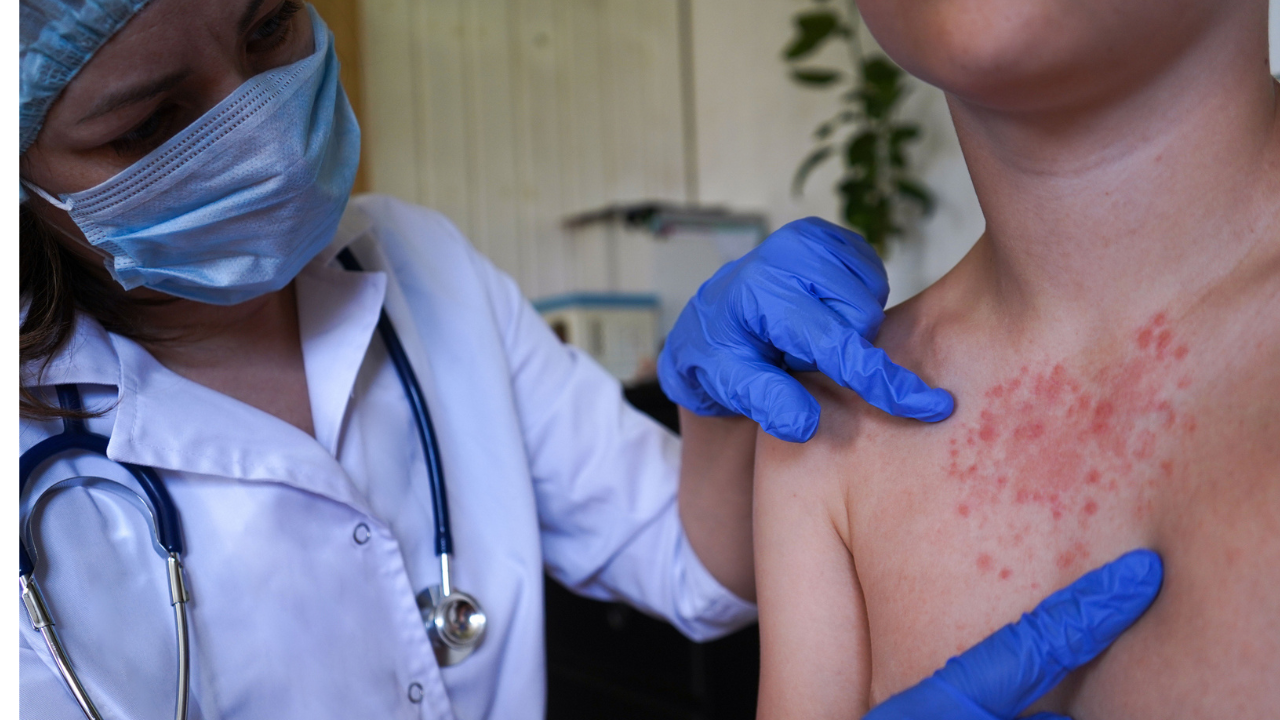
Bangladesh was once close to eliminating measles but is now battling what has been described as the world’s largest measles outbreak. With close to 1,000 suspected and confirmed measles-related deaths since March 2026, the country is grappling with its worst outbreak. According to Bangladesh health ministry data cited by Reuters, 999 deaths have been associated to the measles outbreak, including 100 laboratory-confirmed measles fatalities. More than 166,000 suspected cases have been reported, including nearly 20,000 laboratory-confirmed infections. More than 146,000 suspected patients have also been hospitalised. Bangladesh, who is already battling a worsening dengue crisis, is dealing with enormous strain on its healthcare system. How Did Bangladesh Go From Near Elimination To A Massive Outbreak? Measles is one of the world’s most contagious infectious diseases. It spreads through respiratory droplets and airborne particles when an infected person coughs, sneezes or breathes. But measles is also highly preventable through vaccination. For much of the past decade, Bangladesh maintained measles vaccination coverage at or above the 95% level recommended by the World Health Organization (WHO) for preventing long-term transmission. The vaccine coverage dropped during the COVID-19 pandemic, but the country had otherwise made substantial progress toward elimination. The political upheaval in 2024 and 2025 disrupted routine immunisation which contributed to the current crisis. Bangladesh’s health minister, Sardar Md. Sakhawat Husain, told parliament that changes in vaccine procurement contributed to shortages. A vaccination programme was postponed in 2024, while a nationwide measles-rubella campaign planned for the following year was cancelled, according to Reuters. That left growing numbers of children without adequate immunity. “Bangladesh missed its measles elimination target because of vaccination gaps in 2024 and 2025,” said Professor Mahmudur Rahman, an epidemiologist and former director of the Institute of Epidemiology, Disease Control and Research.Also read: RFK Jr. Accepts Pennsylvania Child’s Measles Death After Questioning It: Here's Why Young Children Bearing The Brunt Children under five have been particularly affected, making up for about 80% of cases during the initial stages of the outbreak. Infants are especially vulnerable because babies younger than nine months may be too young to receive the routine measles vaccine, according to the country’s vaccine schedule. When vaccination coverage falls in older children and adults, the virus can circulate more widely, increasing the chances that infants will encounter it before they are protected. Measles itself can cause high fever, cough, runny nose and the characteristic rash. But the danger comes from its complications. Children can develop pneumonia, severe dehydration, ear infections and encephalitis, or inflammation of the brain. Malnutrition can make severe disease more likely. “To my knowledge, Bangladesh has never witnessed so many children dying from measles. Nor have we ever seen such a high number of patients in a single year. This is a truly terrible situation, and the saddest part is that the victims are children,” Rahman said.Also read: HHS Announces US FDA’s First AI Chief: Here’s What It Means For The Future Of Drug Regulation Bangladesh Has Started A Massive Vaccination Response The government launched an emergency measles-rubella vaccination campaign in April, supported by international health agencies. More than 19.7 million children have been vaccinated through the campaign, according to Reuters. But public health experts say emergency campaigns alone cannot solve the problem. The country also needs to restore routine childhood immunisation, identify children who missed earlier doses and close the immunity gaps that allowed the virus to spread so rapidly. UNICEF had already warned in April that the outbreak was disproportionately affecting young children. Its early situation report recorded nearly 10,000 suspected cases and 128 suspected measles-related deaths by April 7, highlighting how quickly the outbreak escalated.