
- Health Conditions A-Z
- Health & Wellness
- Nutrition
- Fitness
- Health News
- Ayurveda
- Videos
- Medicine A-Z
- Parenting
New FDA Approved Blood Test Can Predict Alzheimer’s Disease Before Symptoms Appear

Credit: Canva
The US Food and Drug Administration has approved the use of a blood test which can help diagnose Alzheimer’s disease in adults aged 55 and above.
The blood test, known as Lumipulse, can detect amyloid plaques associated with Alzheimer’s disease and has proven to be a “less invasive option” that “reduces reliance on PET scans and increases diagnosis accessibility.”
FDA Commissioner Martin A. Makary said of the landmark decision, "Alzheimer’s disease impacts too many people, more than breast cancer and prostate cancer combined.
"Knowing that 10% of people aged 65 and older have Alzheimer's, and that by 2050 that number is expected to double, I am hopeful that new medical products such as this one will help patients."
It remains unclear when this test will be available for commercial use across the world.
What Is Alzheimer’s Disease?
Alzheimer's disease is one of the most common forms of dementia and mostly affects adults over the age of 65.About 8.8 million Indians aged 60 and above are estimated to being living with Alzheimer's disease. Over seven million people in the US 65 and older live with the condition and over 100,00 die from it annually.
Alzheimer's disease is believed to be caused by the development of toxic amyloid and beta proteins in the brain, which can accumulate in the brain and damage cells responsible for memory.
Amyloid protein molecules stick together in brain cells, forming clumps called plaques. At the same time, tau proteins twist together in fiber-like strands called tangles. The plaques and tangles block the brain's neurons from sending electrical and chemical signals back and forth.
Over time, this disruption causes permanent damage in the brain that leads to Alzheimer's disease and dementia, causing patients to lose their ability to speak, care for themselves or even respond to the world around them.
While there is no clear cause of Alzheimer's disease, experts believe it can develop due to genetic mutations and lifestyle choices, such as physical inactivity, unhealthy diet and social isolation.
Early symptoms of Alzheimer's disease include forgetting recent events or conversations. Over time, Alzheimer's disease leads to serious memory loss and affects a person's ability to do everyday tasks.
There is no cure to this progressive brain disorder and in advanced stages, loss of brain function can cause dehydration, poor nutrition or infection. These complications can result in death.
How Does The Test Work?
Lumipulse detects amyloid plaques and tangles in blood plasma and calculates the numerical ratio of the levels of the two proteins. Based on the ratio, the test shows a positive or negative result for the disease.As explained by Dr Abhay Moghekar, an associate professor of neurology at Johns Hopkins University School of Medicine, who helped study and evaluate the test for FDA approval, "If this test is positive, there’s a greater than 90% chance that you have amyloid plaque in your brain.
"Getting a blood test is gonna be far easier, quicker and cheaper,” he said. “It’s going to allow early access to therapy, so it is going to revolutionize care of patients with dementia."
However, the federal agency also noted certain limitations associated with the test such as it can only be used for patients 55 and older who are already experiencing memory problems.
The FDA also cautions that the test is not intended as a standalone diagnostic tool for Alzheimer’s and results should be interpreted based on the patient’s medical history and other assessments, such as cognitive testing.
Harish Rana Case Highlights Why Planning For A Living Will Is Important

Credit: Canva
Recent legal developments have highlighted the importance of advance planning for end-of-life care.
A Living Will is something every adult should consider discussing and creating at some point.
Conversations within families about individual preferences in the event of a terminal illness are an important first step, and these discussions should take place while everyone is still in good health.
Individuals may have very different views about how they wish to be treated if they develop a terminal illness or certain severe, irreversible conditions. For instance, some may not want ventilator support, while others may choose to avoid ICU care.
Some might accept ICU care but prefer not to undergo CPR. Others may prefer not to receive artificial feeding through tubes. Yet others may wish for every possible treatment to be attempted. A few may prefer to spend their final days at home.
Creating A Living Will
It should be noted that a Living Will does not impose any limitation on treatment for common medical conditions such as infections, surgery for curable illnesses, or routine hospital care.
These preferences apply only to situations such as terminal illness—for example, advanced cancer—or irreversible conditions such as a persistent vegetative state.
Creating a Living Will is now relatively straightforward. It must be signed in the presence of two witnesses and attested by a notary or a gazetted officer.
The earlier requirement of countersignature by a Judicial Magistrate has been removed to make the process easier. Templates are also available online that individuals can use as a basis for drafting their own. Before preparing one, it is helpful to discuss the pros and cons of their choices with the family doctor.
It is important to again emphasize that a Living Will is NOT about refusing all treatment, hospitalization, or ICU admission for routine medical care. Rather, it addresses only specific situations.
When such preferences are clearly documented in advance, important decisions about withholding or withdrawing treatment in select circumstances become less contentious.
Doctors and hospitals will no longer be hesitant to withhold unnecessary treatment measures in such situations, as it will already be documented in the patient’s own Living Will. Relatives also will not face the difficult decision of withholding or withdrawing futile medical treatment on behalf of their loved one.
Essentially, the Living Will protects the patient’s wishes when they are no longer able to speak for themselves.
What Happens Without A Living Will
In a terminally ill patient who is unable to communicate, the absence of a Living Will often leads to differences of opinion among family members about what the patient might have wanted.
This uncertainty frequently results in a collective decision to “do everything possible,” just to be on the safe side.
Doctors are reluctant to override the wishes of relatives, even when they believe that further treatment measures are unlikely to be beneficial.
As a result, the patient may receive prolonged medical interventions that neither improve the underlying condition nor enhance quality of life. Once started, these treatments may continue indefinitely until the patient dies naturally.
This may take months, years, or even decades, and also incur huge costs. In the absence of a Living Will, complex legal procedures are required to withdraw these treatments — even if all the relatives are convinced that they should be withdrawn.
Bolivia reports chikungunya outbreak, cases rise over 5,000
Credit: Canva
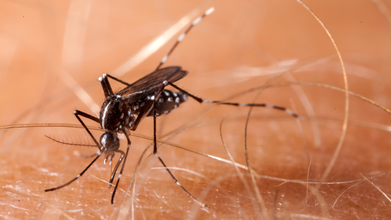
Bolivia has reported an outbreak of mosquito-borne Chikungunya virus disease, with cases rising to more than 5,000 nationwide.
Chikungunya is transmitted by the Aedes aegypti and Aedes albopictus mosquitoes -- the same species that spread dengue fever and Zika virus disease. As a result, the disease becomes challenging to diagnose.
The South American country's Ministry of Health, in a statement, shared that "5,371 cases of chikungunya have been registered nationwide".
The worst areas in Bolivia include
- Santa Cruz (4,500 cases)
- Cochabamba (303 cases)
- Tarija (332 cases)
- Chuquisaca (81 cases)
- La Paz (68 cases)
The Ministry informed, "joint efforts to control and manage the vector".
It further noted that an investigation is being conducted to share the results and cause of death, as well as ongoing epidemiological surveillance for all vector-borne disease.
To curb the cases, the Health Ministry noted that "it is supporting the provision of biolarvicide and insecticide for departmental and municipal actions to prevent an increase in cases".
This includes the distribution of about 1,300 liters of insecticide and biological larvicides applied with backpack sprayers, Outbreak News Today reported.
The government also urged the general public to clean weeds from yards and gardens to eliminate the vector’s resting places
Global Cases
In January, the surveillance data from the European Centre for Disease Prevention and Control (ECDC) reported 2,881 cases of Chikungunya virus disease and no associated deaths from 11 countries in European Union this year.
The ECDC noted that the Americas have reported 2,879 cases and one associated death, with Brazil reporting the highest number of cases in 2026.
In addition to Bolivia, other countries in South America reporting chikungunya include Costa Rica, El Salvador, Honduras, and Mexico.
French health authorities also reported a significant rise in chikungunya disease in Mayotte, an overseas department in the Indian Ocean. Since the beginning of 2026, more than 270 confirmed cases have been recorded, Vax-Before-Travel reported.
ECDC data shows that the weekly average of cases in the last two weeks of February 2026 was around 65.
Symptoms And Prevention
There is currently no antiviral drug treatment for chikungunya. While two vaccines against chikungunya have received regulatory approval, it still lacks widespread rollout.
Common symptoms of chikungunya include:
- abrupt onset of fever
- joint and muscle pain
- headache
- nausea
- fatigue
- rash
While serious complications are rare, the elderly and children under one year old may be at risk of long-term symptoms and even death.
The ECDC advised people "to take enhanced measures to prevent mosquito bites".
CDSCO threatens action against pharma companies for promoting GLP-1 weight-loss drugs

Credit: Canva
India's drug regulator, the Central Drugs Standard Control Organization (CDSCO), has threatened pharmaceutical firms with action for promoting GLP-1 weight-loss drugs among the general public.
Glucagon-Like Peptide-1 (GLP-1) receptor agonists are a class of medicines that help lower blood sugar, support weight loss, reduce the risk of heart and kidney complications, and can even lower the risk of early death in people with type 2 diabetes.
In an official circular, the CDSCO warned drug makers from indulging in "direct or indirect advertising" for obesity and metabolic disorders.
The regulatory body also cautioned pharma companies against campaigns using influencers, noting that any violation "could attract regulatory action".
Advertisements, which "function as a surrogate advertisement for prescription-only drugs, shall be viewed seriously and may be treated as irrational or misleading marketing practice", read the letter signed by the Drug Controller General of India (DCGI) Rajeev Raghuvanshi.
The order comes as the CDSCO noted that drugmakers have been engaging in surrogate promotional activities, under the garb of disease awareness campaigns, and digital media outreach.
What The CDSCO Mandated
- Weight-loss drugs, specifically GLP-1 medications, must only be sold with a prescription from a registered medical practitioner.
- There should be no ads, whether direct or indirect, in print, electronic, digital, social media, or any other public platform intended, directly or indirectly, to promote the product to the general public.
- No GLP-1 drugs must exaggerate for therapeutic efficacy; suggest for assured or guaranteed weight loss outcome; and induce demand for pharmacological therapy
- awareness campaigns
- influencer engagement
- corporate campaigns
Rush For Generic Weight Loss Drugs
The government's advisory comes patent for semaglutide -- an active ingredient in diabetes and anti-obesity drugs, specifically Wegovy and Ozempic -- expires on March 20.
This will allow Indian pharma companies to launch cheaper generic versions, significantly increasing affordability and access for millions battling Type 2 diabetes and obesity.
Major Indian drugmakers gearing up to launch their generic semglutide injection in the country in March include Sun Pharmaceutical Industries, Zydus Lifesciences, Alkem Laboratories, Dr. Reddy’s Laboratories, Torrent Pharmaceuticals, and MSN Laboratories.
Obesity A Chronic Metabolic Condition
The CDSCO stressed the importance of "lifestyle modification measures (diet, exercise, behavioural interventions)" in treating obesity.
"Obesity is a chronic metabolic condition requiring comprehensive management, including lifestyle interventions," the regulator said.
"Pharmaceutical therapy, where indicated, must not be projected in a manner that undermines public health initiatives promoting diet control, physical activity, and preventive healthcare," it added.
WHO Guidelines On GLP-1 drugs
Amid increasing prevalence of GLP-1 drugs, the World Health Organisation (WHO), late last year, acknowledged its role in treating obesity.
However, it warned that medications like GLP-1 alone will not solve the problem affecting more than one billion people worldwide.
The global health body also issued conditional recommendations for using these therapies as part of a comprehensive approach that includes healthy diets, regular physical activity, and support from health professionals.
- Follow Us :


© 2024 Bennett, Coleman & Company Limited