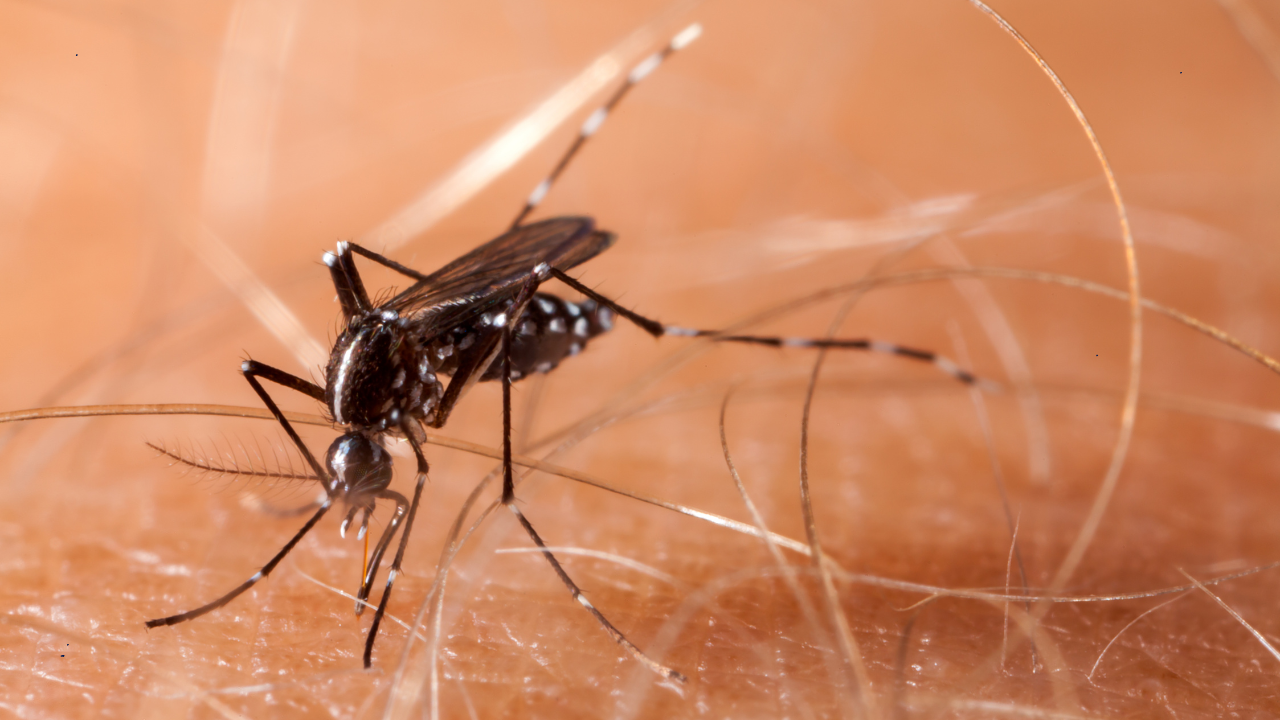
Bolivia has reported an outbreak of mosquito-borne Chikungunya virus disease, with cases rising to more than 5,000 nationwide. Chikungunya is transmitted by the Aedes aegypti and Aedes albopictus mosquitoes -- the same species that spread dengue fever and Zika virus disease. As a result, the disease becomes challenging to diagnose. The South American country's Ministry of Health, in a statement, shared that "5,371 cases of chikungunya have been registered nationwide". The worst areas in Bolivia include Santa Cruz (4,500 cases)Cochabamba (303 cases) Tarija (332 cases)Chuquisaca (81 cases)La Paz (68 cases) The Ministry informed, "joint efforts to control and manage the vector". It further noted that an investigation is being conducted to share the results and cause of death, as well as ongoing epidemiological surveillance for all vector-borne disease. To curb the cases, the Health Ministry noted that "it is supporting the provision of biolarvicide and insecticide for departmental and municipal actions to prevent an increase in cases". This includes the distribution of about 1,300 liters of insecticide and biological larvicides applied with backpack sprayers, Outbreak News Today reported. The government also urged the general public to clean weeds from yards and gardens to eliminate the vector’s resting placesGlobal Cases In January, the surveillance data from the European Centre for Disease Prevention and Control (ECDC) reported 2,881 cases of Chikungunya virus disease and no associated deaths from 11 countries in European Union this year. The ECDC noted that the Americas have reported 2,879 cases and one associated death, with Brazil reporting the highest number of cases in 2026. In addition to Bolivia, other countries in South America reporting chikungunya include Costa Rica, El Salvador, Honduras, and Mexico. French health authorities also reported a significant rise in chikungunya disease in Mayotte, an overseas department in the Indian Ocean. Since the beginning of 2026, more than 270 confirmed cases have been recorded, Vax-Before-Travel reported.ECDC data shows that the weekly average of cases in the last two weeks of February 2026 was around 65.Symptoms And Prevention There is currently no antiviral drug treatment for chikungunya. While two vaccines against chikungunya have received regulatory approval, it still lacks widespread rollout.Common symptoms of chikungunya include:abrupt onset of fever joint and muscle pain headachenauseafatiguerash People with condition are likely to suffer from severe joint pain that can last a few days but also persist for months or even years. While serious complications are rare, the elderly and children under one year old may be at risk of long-term symptoms and even death.The ECDC advised people "to take enhanced measures to prevent mosquito bites".