
- Health Conditions A-Z
- Health & Wellness
- Nutrition
- Fitness
- Health News
- Ayurveda
- Videos
- Medicine A-Z
- Parenting
North London Measles Outbreak: 34 Cases Confirmed In Unvaccinated Children From Enfield
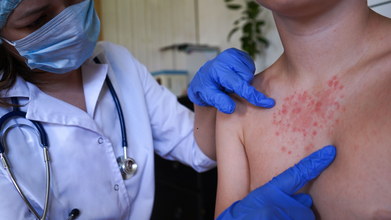
Credits: iStock
North London Measles Outbreak: 34 children have been infected by a "fast spreading" measles outbreak in several north London schools, confirmed health officials. The cases were first confirmed from Enfield in laboratory tests in January, as is reported by the UK Health Security Agency or the UKHSA.
A local GP, as reported by the BBC said that one in five children who contracted the illness had been admitted to hospital. The doctor also said that these children "had not been fully immunized".
Families are now asked to ensure that their children are up to date with their immunizations and vaccinations against this highly contagious disease. Measles could cause serious health complications.
North London Measles Outbreak: Who Can Get The Vaccines?
Measles vaccinations for children are available at the school, however, if they missed it, they can also get it at a number of catch-up clinics around the UK. The vaccinations are for free.
Enfield's NHS Ordnance Unity Centre For Health on its website noted that there is a "fast spreading measles outbreak in several schools" across the borough. The infections were confirmed in "at least" seven schools in Enfield, which means there could be more. Some reports also came from neighboring Haringey.
Enfield Councillor Alev Cazimoglu said that current outbreak had "mainly affected children and some have required additional care with a short stay in hospital". She also said, "Vaccination is the most effective way to protect yourself and your family. We urge everyone who is not fully vaccinated to act now."
The 34 cases of Enfield represent over a third of the 96 total cases which were confirmed in England in the first month of this year as per the UKHSA data.
As per the Enfield Council, it is working closely with UKHSA, the NHS and local partners to limit any further spread.
Read: UK Loses Measles Elimination Status: Why Is This Disease Making A Comeback?
North London Measles Outbreak: Who Are At Most Risk?
As per a UKHSA medical practitioner, Dr Vanessa Saliba, as also reported by the BBC, the "big" outbreak is "mostly affecting unvaccinated children under 10 in schools and nurseries". She also added, "Measles is a nasty illness for any child, but for some it can lead to long term complications and tragically death, but is so easily preventable with two doses of the MMRV [measles, mumps, rubella, chickenpox] vaccine."
Dr Saliba also suggested children to catch-up with their vaccine schedule in case they have missed it and also urged those travelling abroad over the Easter holidays to check their vaccination status.
North London Measles Outbreak: What Is It And What Are The Symptoms?
Measles is a highly contagious disease. It spreads by coughs or sneezes or by touching things that someone with measles has coughed or sneezed on.
Measles, also known as rubeola, is an extremely contagious viral illness that typically causes high fever, cough, runny nose, red and watery eyes, and a characteristic rash that begins on the face and spreads downward across the body. It spreads through respiratory droplets and can lead to severe and sometimes fatal complications, including pneumonia and inflammation of the brain known as encephalitis.
Symptoms include high fever, sore or red and watery eyes, coughing, sneezing, and small white spots in the mouth.
US CDC Warns Rising Drug-Resistant Shigella Cases A Public Health Threat: Here’s How To Prevent

Credit: iStock
Cases of drug-resistant Shigella infections are increasing significantly in the US and pose a “public health threat,” warned the Centers for Disease Control and Prevention (CDC) in its latest report.
Shigella is a highly infectious bacterium that causes gastrointestinal illness, commonly known as shigellosis.
According to the CDC’s Morbidity and Mortality Weekly Report published on April 9, out of the 17,000 samples tested, the percentage found to have drug-resistant Shigella bacteria grew from 0 per cent in 2011 to 8.5 per cent in 2023.
The CDC noted that shigellosis is a nationally notifiable disease in the US.
Extensively drug-resistant (XDR) Shigella is a Shigella species that is resistant to common antibiotics such as ampicillin, azithromycin, ceftriaxone, ciprofloxacin, and trimethoprim-sulfamethoxazole.
“It is a public health concern because no Food and Drug Administration–approved oral antimicrobial agents are available; alternative oral treatment options are limited, and resistance genes can spread to other enteric bacteria,” the CDC said.
The antimicrobial resistance was characterized using whole-genome sequencing data and antimicrobial susceptibility testing. The report also found that among patients with XDR shigellosis, the median patient age was 41 years, and 86.2 per cent were men.
“Whereas earlier US outbreaks involved drug-susceptible strains and primarily affected children, national surveillance data indicate that most [drug-resistant] cases occurred among men,” the CDC noted.
“Approximately one-third of patients were hospitalized.”
Among 116 persons with available HIV status, 46.6 per cent reported HIV co-infection.
The CDC called for “strengthened surveillance, timely reporting, and targeted prevention strategies to limit transmission of XDR Shigella strains”.
What Is Shigella And Why Is It Concerning?
Shigellosis is a highly infectious diarrheal illness caused by gram-negative bacteria. Symptoms typically include diarrhea, fever, and stomach cramps, which can range from mild to severe.
The disease onset occurs typically within 1 to 3 days of ingestion of the bacteria, with fever, diarrhea, body aches, and headache.
Globally, the burden is significant. Estimates suggest around 188 million cases occur each year, leading to over 1.6 lakh deaths.
The infection spreads easily through contact with contaminated food, water, or surfaces, and even through person-to-person transmission. This makes it particularly concerning in travel settings such as hotels and resorts, where shared facilities are common.
Houseflies can also spread the bacteria. Flies transmit the bacteria from human feces to food, water, and surfaces, contributing to up to 37 percent of cases in some regions, according to a study published in the PLoS Neglected Tropical Diseases
Shigella: Are Young Children At High Risk?
Speaking to HealthandMe, Dr. Rajeev Jayadevan, Ex-President of IMA Cochin and Convener of the Research Cell, Kerala, explained that even a small number of bacteria—as few as 10 —is enough to cause infection.
It is because the Shigellosis bacteria “is able to withstand the hostile acidic environment of the human stomach. Outside the human body, it can stay alive in water for weeks together,” he said.
Shigella is most severe in children below the age of five, as their immune systems are less efficient at clearing the infection early.
“Adults also become ill, but acquired immunity from childhood keeps the infection mild in many instances,” the expert said.
“Shigella outbreaks can occur in crowded places such as anganwadis (creches), where children come into close physical contact with each other and share toys. Very young children also have the habit of putting their fingers in their mouths, which enables the bacteria to gain access to their gut,” Dr. Jayadevan added.
Shigella: How To Prevent
Dr. Jayadevan said. stressed the need for early recognition and treatment with appropriate antibiotics.
ORS can help prevent dehydration, while Zinc tablets can enhance recovery.
The CDC suggests several steps to avoid getting or spreading shigella, including:
- Wash your hands properly, especially after toilet use and before eating food.
- Avoid swallowing water while swimming.
- Follow safe food and water habits when traveling.
- If you or your partner is diagnosed with shigellosis, do not have sex for at least two weeks after symptoms end.
US FDA Recalls Popular Anxiety Drug Xanax Over Potential Health Risks
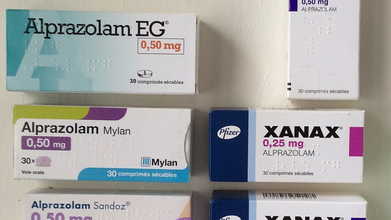
Credit: Wikimedia Commons
Xanax, one of the most widely prescribed medications to treat anxiety and panic disorders, has been voluntarily recalled nationwide over potential health risks, said officials at the US Food and Drug Administration (FDA).
The West Virginia-based company Viatris Specialty has recalled a specific allotment of the medication Xanax, also known as alprazolam.
“The voluntary recall of Xanax XR is specific to one lot of one strength of the brand product only, and no other batches of the Xanax XR brand product, or its generics, are impacted,” said a Viatris spokesperson, The Los Angeles Times reported.
“The vast majority of patients in the US are dispensing generic alprazolam, which this recall does not affect,” the spokesperson added.
Why Was Xanax Recalled
The FDA classified the recall as Class II category, because the product failed dissolution specifications, meaning it failed to dissolve at a standard rate. Class II recalls apply to products that can cause “temporary or medically reversible” health problems, as per the FDA.
The withdrawn product is Xanax XR, extended-release tablets distributed in the United States between August 27, 2024, and May 29, 2025, sold nationwide. The tablets are 3 milligrams, and 60 pills in a bottle.
A Viatris spokesperson said, in agreement with the FDA, patients who are consuming the recalled Xanax XR tablets do not need to take any action, the report said.
“Wholesalers and retailers, pharmacies, have been provided with instruction on how to return the product in question,” according to Viatris.
FDA officials said if you have questions or concerns about the recalled product, consult your doctor of pharmacist.
“In some instances, stopping your medicine may be more harmful to your health than continuing to take the recalled medicine,” the FDA said.
Also read: US FDA Recalls China-made Cough Drops And Throat Lozenges
What Is Xanax?
Xanax belong to a class of drugs called benzodiazepines, which work by enhancing the effects of gamma-aminobutyric acid (GABA), a chemical in the brain that helps calm the nervous system.
In addition to easing anxiety symptoms, alprazolam is also prescribed to control seizures in people with epilepsy. The drug is generally safe and helpful when used as directed, with its intended effect lasting up to six hours, according to the American Addiction Centers.
But despite their short-term effectiveness, psychologists have warned that depending on these medications without addressing underlying issues can be harmful in the long run.
A Spanish psychologist Fernando Azor, known for sharing mental health insights on TikTok, cautioned his followers about the overuse of benzodiazepines.
In a 2025 video, Azor explained that while drugs like alprazolam can help calm anxiety attacks, they only mask symptoms rather than helping people understand what triggers their distress.
“People experiencing anxiety crises often struggle to face the physical sensations, such as a racing heart, blurred vision, or nervousness—that come with anxiety. We automatically see them as dangerous or negative, but in reality, they are natural bodily responses to stress,” he added.
Also read:Depression, Anxiety To Blame? Why Gut Health Disorders Are Rising Among Young Indians
According to Azor, perceiving these sensations as something to eliminate immediately can create a cycle of avoidance and dependency, rather than resilience.
While benzodiazepines like alprazolam can offer short-term relief, mental health experts warn that they should not replace long-term coping mechanisms. Building emotional awareness and resilience through therapy and self-regulation remains key to managing anxiety sustainably.
India Introduces Healthy Lifestyle, Mental Wellness as Priority Areas at BRICS Meet
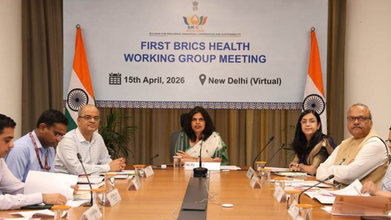
Credit: PIB
India’s Union Ministry of Health and Family Welfare has introduced "healthy lifestyle and mental wellness" as two key priority areas at the First Health Working Group (HWG) Meeting under the BRICS framework for the year 2026 in New Delhi.
HWG is a key platform for advancing cooperation in public health, said Punya Salila Srivastava, the Union Health Secretary while chairing the meeting.
She noted that as the BRICS Chair for 2026, India is guided by the overarching theme “Building for Resilience, Innovation, Cooperation and Sustainability”, reflecting a people-centric and humanity-first approach.
The theme underscores India’s commitment to strengthening collaborative frameworks that are responsive, inclusive, and future-ready.
India’s 2026 Chairship
While reaffirming commitment to existing priorities, the Union Health Secretary also proposed two new priority areas under India’s Chairship:
- BRICS Mission for Healthy Lifestyles: Aimed at promoting healthy behaviors and addressing key risk factors such as unhealthy diets, physical inactivity, tobacco use, and harmful use of alcohol
- Promotion of Mental Health and Wellness: Focusing on strengthening mental health services, addressing stigma, and integrating mental health into broader public health frameworks.
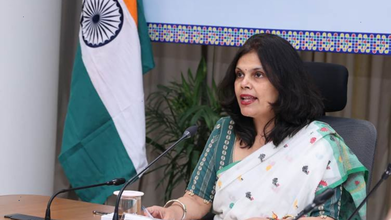
In addition, under the country’s Chairship, Srivastava said that the HWG aims to:
- Foster inclusive, sustainable, and evidence-driven health cooperation,
- Recognize the diverse health systems and socio-economic contexts of BRICS nations.
- Integrating traditional, complementary, and integrative medicine into health systems.
The BRICS Health Working Group
Srivastava hailed the BRICS Health Working Group meetings for having paved the way for collaboration on pressing health challenges in the recent year. She said that the HWG made efforts towards tackle communicable and non-communicable diseases, enhancing health systems, as improving access to affordable medicines.
“These efforts have further strengthened cooperation in pandemic preparedness, health technology innovation, and the promotion of Universal Health Coverage,” Srivastava said.
The meeting also deliberated on the nine priority areas, which include:
- BRICS TB Research Network;
- collaboration among BRICS Medical Products Regulatory Authorities;
- BRICS Integrated Early Warning System for prevention and response to mass infectious diseases;
- Digital Health Architecture for continuum of care, including specialised healthcare in remote areas;
- BRICS Mission for Healthy Lifestyles;
- promotion of mental health and wellness;
- Traditional, Complementary and Integrative Medicine (TCIM);
- fight against diseases driven by social determinants of health (DDSDH);
- BRICS Network of National Public Health Institutes.
The meeting brought together senior health officials, technical experts, and delegates from BRICS member countries—Brazil, Russia, India, China, South Africa, Egypt, Ethiopia, the United Arab Emirates, and Indonesia to deliberate on priority areas of cooperation in public health.
The global experts welcomed India’s leadership and the shared theme of building resilience through innovation, cooperation, and sustainability.
They also emphasized
- deepening collaboration on tuberculosis through the BRICS TB Research Network,
- strengthening the BRICS integrated early warning system for infectious diseases,
- enhancing digital health architectures to improve access (especially in remote and vulnerable communities),
- advancing regulatory cooperation
- local production of medicines and vaccines.
- Follow Us :


© 2024 Bennett, Coleman & Company Limited