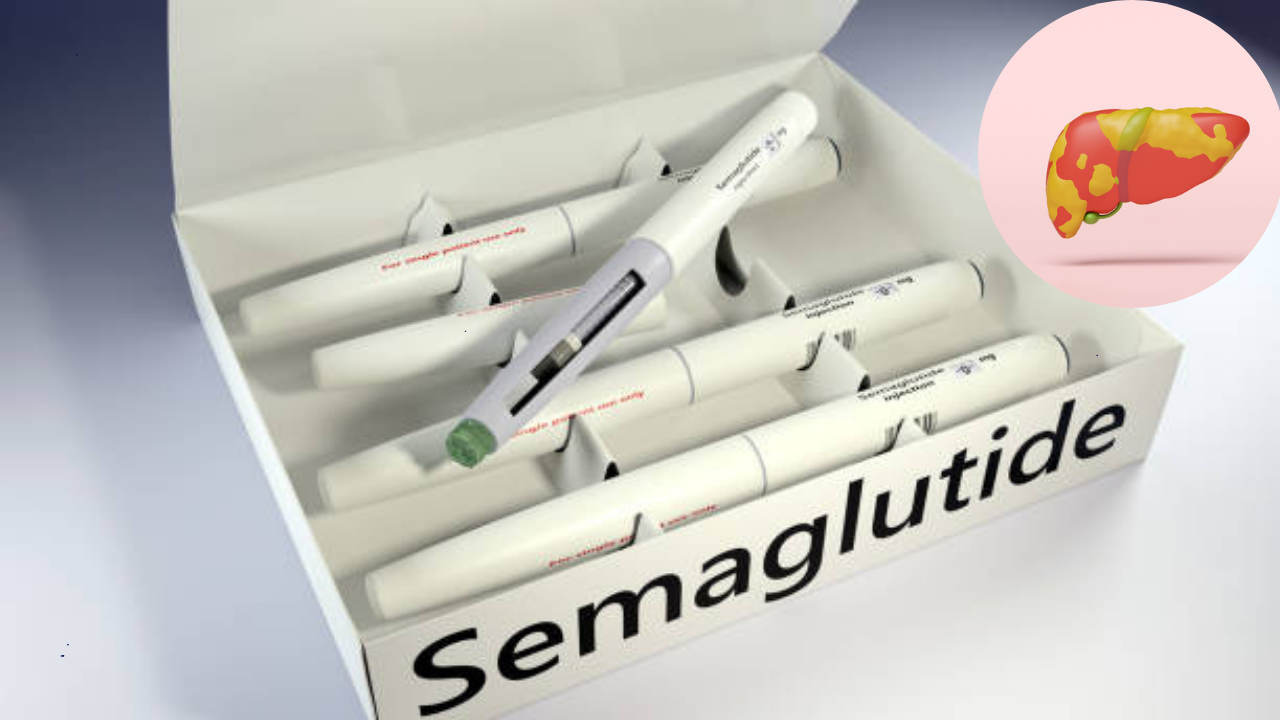
While Ozempic and Wegovy are best known for treating diabetes and obesity, a new mouse study has shown promise for treating liver disease, particularly metabolic dysfunction-associated steatohepatitis (MASH)—fatty liver disease. MASH is a severe form of fatty liver disease in which fat buildup, inflammation, and tissue scarring can lead to cirrhosis and liver failure.The benefits seen were independent of weight loss, revealed the study, which challenges long-held assumptions about how GLP-1 medicines work in the liver and could reshape how physicians treat metabolic liver disease. Researchers at Mount Sinai Hospital found that patients taking semaglutide—the active ingredient in the popular weight loss drugs—showed improvements in the fatty liver condition that went beyond what could be explained by blood sugar control and weight loss alone. The finding, published in the journal Cell Metabolism, explained that semaglutide, which mimics the gut hormone GLP-1, acts directly on a subset of liver cells to improve organ function and does so independently of weight loss. "We've seen in clinical trials that patients who lose very little weight see the same reductions in liver inflammation, scarring, and enzyme levels as those who lose a great deal of weight. Now we know why," said Dr. Daniel Drucker, a senior investigator at the Lunenfeld-Tanenbaum Research Institute, who led the study. "We're not saying weight loss isn't important, because many things improve when patients lose weight. But we now know that weight shouldn't be the only measure of success, because GLP1 medicines will improve liver health whether or not the patient loses weight," he added. Semaglutide Could Reverse Fatty Liver Disease There is a prevailing assumption that liver cells do not carry the receptor that semaglutide binds to, meaning the drug has no direct route to the organ. To better understand, Postdoctoral fellow Dr. Maria Gonzalez-Rellan combined sophisticated mouse models of MASH with deep molecular analyses of liver cells. The results identified two cell types carrying semaglutide receptors: liver sinusoidal endothelial cells (LSECs) and immune T cells. Although LSECs account for only about 3 per cent of liver cell volume, they proved to be the key driver of semaglutide's liver benefits. LSECs line the tiniest blood vessels in the liver and are studded with pores that allow them to act as a molecular sieve, filtering substances passing between the liver and the bloodstream. “Semaglutide reversed MASH in mice that lacked the brain receptors controlling appetite, demonstrating that weight loss is not required for liver benefits,” Dr. Gonzalez-Rellan said. In a further test, mice lacking LSEC receptors showed no liver improvement on semaglutide even after losing 20 per cent of their body weight.How This Will Impact Patients The findings carry practical implications. GLP-1 medicines have become widely prescribed, yet their mechanism of action in the body, beyond appetite suppression and blood sugar control, is not well understood Knowing that semaglutide improves liver health independently of weight loss could influence prescribing decisions. Physicians may choose lower doses that avoid the side effects associated with the higher doses needed for significant weight loss, potentially also lowering costs for patients, said Dr. Drucker.