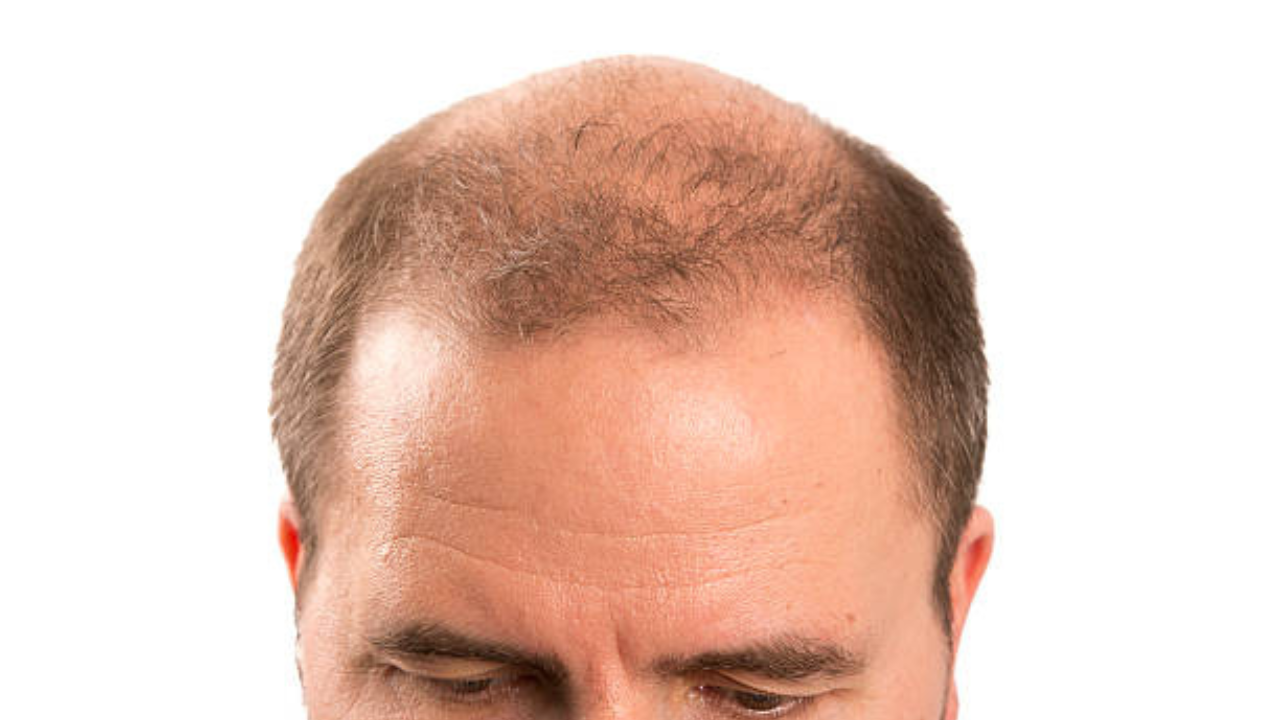
While GLP-1 drugs such as Ozempic, Wegovy and Zepbound are helping with weight loss and diabetes management, men already at risk of androgenetic alopecia may face a 7% higher risk of hair loss with higher GLP-1 activity, according to a new study.Hair thinning has been reported by both men and women using GLP-1 drugs, with researchers largely attributing the shedding to rapid weight loss associated with the medications.However, researchers at NYU Langone Health have now identified a potential genetic link between GLP-1 activity and androgenetic alopecia, an inherited form of hair loss affecting the top and front of the scalp."Our study provides the first genetic link between GLP-1 use and an increased risk of male-pattern hair loss from androgenetic alopecia, an association long suspected but until now not shown scientifically," said Lynn Petukhova, assistant professor in the Department of Dermatology and the Department of Population Health at NYU Grossman School of Medicine.What Did The Study Find?Researchers used large, publicly available genetic databases, including:eQTLGen: 31,684 mostly white men and women.Complex Traits Genetics group: 205,327 mostly white menThey focused on the GLP1R gene, which influences the body's levels of GLP-1 receptor proteins., and used GLP1R activity as an indicator of GLP-1 agonist activity.The researchers compared GLP1R-related genetic data with markers associated with androgenetic alopecia. They found that genetic variants linked to naturally higher levels of GLP-1 receptor proteins were more common in men with androgenetic alopecia.The team also adjusted the analysis for hypertension, which may affect blood flow to the scalp and hair follicle growth; and accounted for insulin resistance and lower testosterone levels.After these adjustments, the 7% higher risk remained.Published online in the Journal of Investigative Dermatology, the findings suggest that GLP-1 activity and male-pattern hair loss may share a biological link.Could Screening Help Prevent Hair Loss?The findings could eventually help identify people who may be more vulnerable to hair loss before they are prescribed GLP-1 medications."Our findings suggest that, if future experiments prove successful, some men, and possibly women too, could be screened and benchmarked for their risk of hair loss before being prescribed GLP-1 medications," Petukhova said.The researchers also suggested that some GLP-1 users could potentially receive combination treatments to prevent hair loss, such as minoxidil or another drug.However, more research is needed to understand how GLP-1 activity may affect hair follicle growth. Petukhova also plans to investigate whether the genetic link seen in men applies to women. Hair shedding has been reported among GLP-1 users and has been linked by researchers to rapid weight loss.In many cases, hair growth resumes several months after weight stabilizes.The new findings add a potential genetic explanation to these reports, but further research is needed to establish the underlying biological mechanism.What Is Androgenetic alopecia?Androgenetic alopecia is a common form of hair loss that becomes more likely with age. It can begin as early as the teenage years and affects both men and women, with hair loss in women most commonly observed after menopause.Surveys suggest that 12% of Americans have used GLP-1 drugs specifically for weight loss, including one-fifth of women aged 50 to 64. Since Ozempic was approved by the US Food and Drug Administration in 2020, prescriptions for the medication have more than tripled.