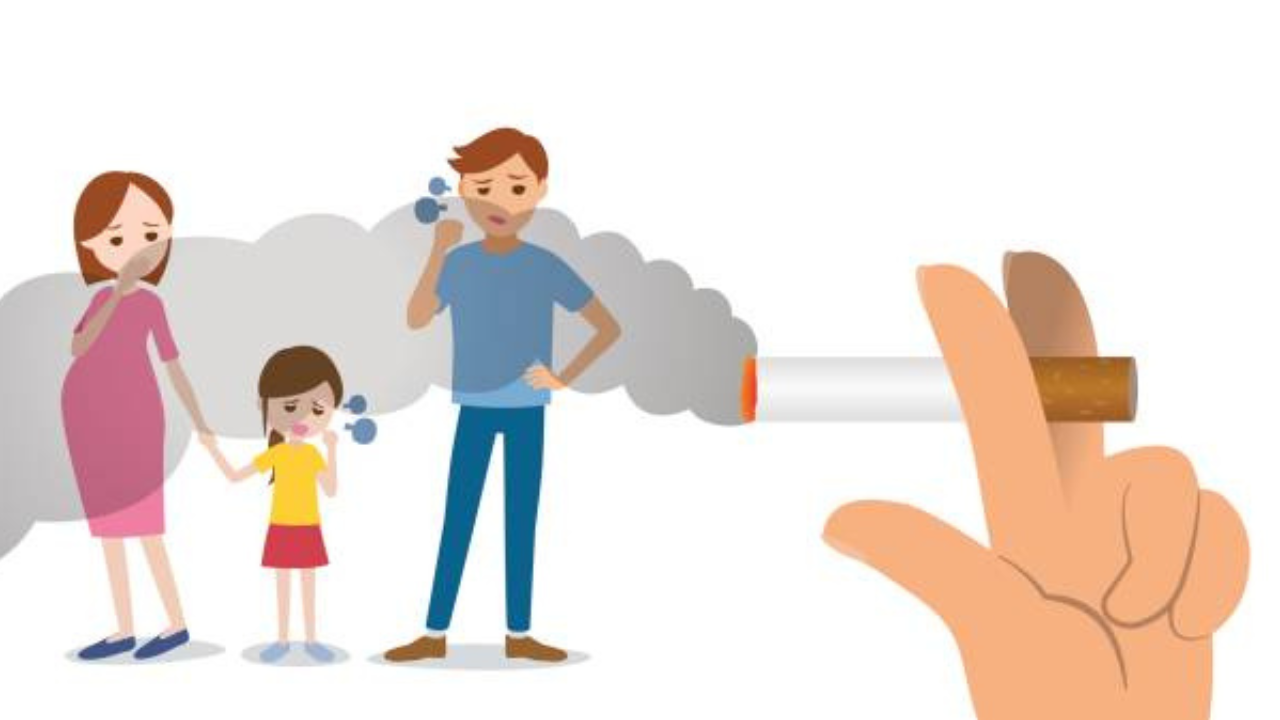
An estimated 2.71 billion people globally were exposed to second-hand smoke (SHS) in 2023, accounting for nearly one-third of the world's population, according to a new study published in The Lancet.About 767 million children aged up to 14 years were exposed to SHS, potentially putting them at risk of long-term health effects, including respiratory problems and asthma.Overall, exposure to SHS contributed to nearly 1.7 million deaths and the loss of about 45 million years of potentially healthy life worldwide.Study Spans 204 Countries And TerritoriesThe analysis, based on data from the Global Burden of Disease (GBD) 2023 study, examined SHS exposure and its health impact across 204 countries and territories between 1990 and 2023.Although the proportion of people exposed to SHS fell by 22% worldwide over this period, the estimated number of people exposed remained nearly unchanged.Exposure rose sharply in sub-Saharan Africa and North Africa and the Middle East, driven largely by population growth.Women and children experienced some of the greatest impacts. In Southeast Asia, East Asia and Oceania, women were 59% more likely to be exposed to SHS than men.Also read: Alcohol-Linked Cancer Deaths Doubled In US: Colorectal Leads In Men, Breast Leads In WomenSecond-Hand Smoke Takes A Heavy Health TollSHS remains a major source of illness and death among non-smokers. Across all ages, ischemic heart disease was the leading cause of SHS-attributable deaths in 2023, accounting for approximately 537,000 deaths.It was followed by:COPD: 354,000 deathsStroke: 278,000Lower respiratory disease: 185,000Tracheal, bronchus and lung cancer: 161,000In 2023, ischemic heart disease also had the highest age-standardized DALY rate among the nine health outcomes assessed, at 132.5 per 100,000, representing about 12 million DALYs globally. More than 10% of global COPD DALYs and more than 8% of tracheal, bronchus and lung cancer DALYs were attributable to SHS in 2023.Children Face Respiratory Health Risks Read More: This Common Heart Attack Risk Starts Silently In Healthy People In Their 20sChildren are particularly vulnerable because their respiratory and immune systems are still developing.Among children and adolescents, lower respiratory infections had the largest SHS-attributable burden at 254.6 per 100,000, followed by asthma at 17.3 per 100,000 and otitis media at 2.1 per 100,000.Asthma accounted for 3.4% of total SHS-attributable DALYs globally, rising to 6.3% among children and adolescents.The health burden also varied by region. In South Asia, COPD was the leading cause of SHS-attributable DALYs at 226.2 per 100,000, while lower respiratory infections accounted for the largest burden in sub-Saharan Africa.China, India And Indonesia Among Most Exposed There is no safe level of exposure to second-hand smoke. Under Article 8 of the WHO Framework Convention on Tobacco Control, countries are called on to protect people from tobacco smoke in workplaces, public transport and indoor public places.Yet approximately 70% of the world's population is not protected by comprehensive smoke-free laws. Domestic settings, where exposure can be prolonged, also remain largely unregulated.Further, the study showed China, India and Indonesia together account for almost half of the global population exposed to SHS. These countries also have some of the highest smoking prevalences globally.The researchers say smoke-free policies can directly reduce exposure and may also encourage smoking cessation by changing social norms.They recommend combining smoke-free measures with tobacco taxation, marketing bans, plain packaging and smoking-cessation programs to reduce smoking prevalence and discourage people from taking up tobacco.