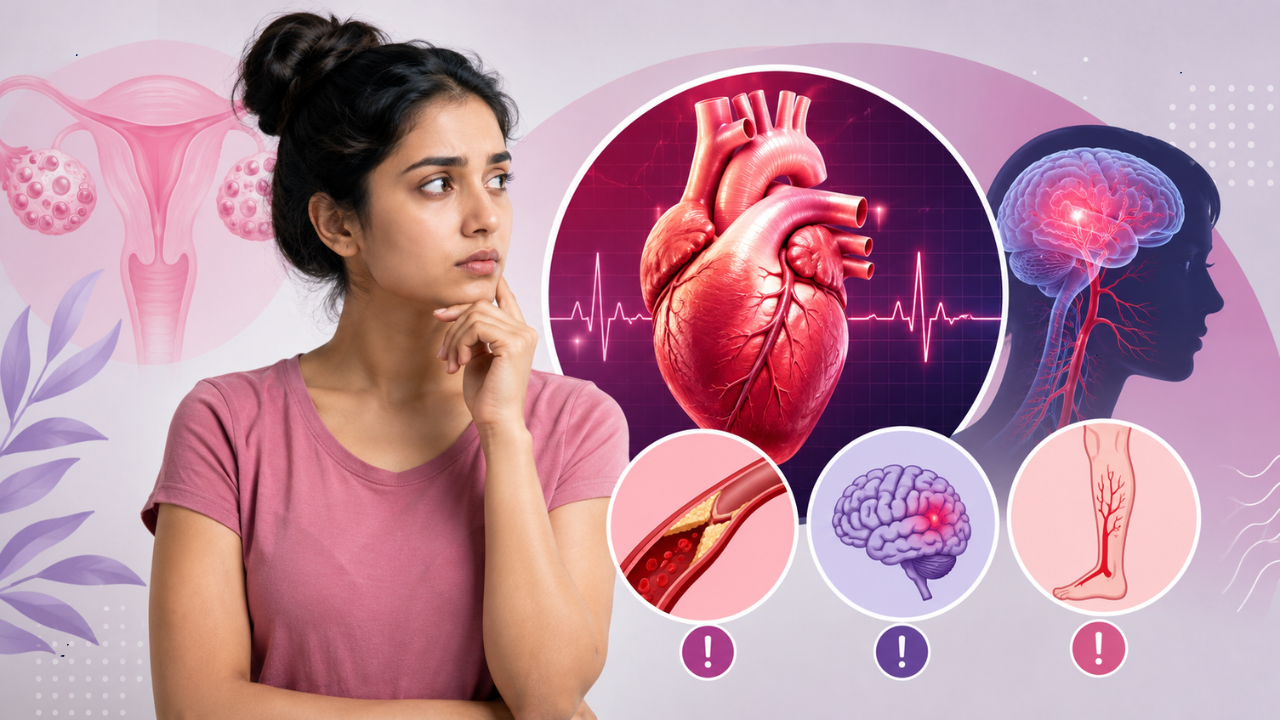
Women with polyendocrine metabolic ovarian syndrome (PMOS)—formerly known as polycystic ovarian syndrome (PCOS)—face a significantly higher risk of heart attacks, strokes, and other cardiovascular diseases, according to a large study published in The Lancet Obstetrics, Gynaecology & Women's Health.PMOS affects an estimated 10–13% of women of reproductive age. Researchers analyzed data from more than 2 million women and found that those with PMOS had a substantially higher risk of serious cardiovascular events, even after accounting for established risk factors such as obesity, diabetes, high blood pressure, smoking, and high cholesterol.The findings, by researchers from the University of Pennsylvania and the University of Rochester, suggest that PMOS should be recognized not only as a reproductive health condition but also as a major cardiometabolic disorder, underscoring the need for routine cardiovascular monitoring in affected women.What Did The Study Find?Also read: PCOS Is Now PMOS: What The Name Change Means For Millions Of WomenWomen with PMOS were significantly more likely to develop atherosclerotic cardiovascular disease (ASCVD), including heart attacks and strokes.After adjusting for traditional cardiovascular risk factors, researchers found that women with PMOS were:2.5 times more likely to experience a heart attack or stroke.3.4 times more likely to have a transient ischemic attack (TIA), or "mini-stroke."Nearly four times more likely to develop peripheral artery disease (PAD), in which narrowed arteries reduce blood flow to the limbs."Our work shows that it is imperative for clinicians to closely track and evaluate cardiovascular health in patients with PMOS," said Dr. Anuja Dokras, senior author of the study and Founders Professor of Women's Health at the University of Pennsylvania.She advised women with PMOS to lower their cardiovascular risk by:Avoiding smokingStaying physically activeMaintaining a healthy weightRegularly monitoring blood pressure, cholesterol, and blood sugarWhat Is PMOS?PMOS is the new name for PCOS, adopted following an international consensus announced in May 2026 by the World Health Organization, the Endocrine Society, and other leading organizations.The new name reflects the understanding that the condition affects multiple body systems—not just the ovaries. PMOS is a complex hormonal and metabolic disorder linked to an increased risk of:InfertilityType 2 diabetesEndometrial cancerCardiovascular diseaseAccording to the World Health Organization, around 70% of women with PMOS remain undiagnosed.The condition can affect:Endocrine healthMetabolic healthReproductive healthDermatological healthPsychological health Why Was PCOS Renamed?Experts said the term PCOS was misleading because many patients believed it referred to ovarian cysts, whereas the condition is characterized by increased ovarian follicles rather than true cysts."My patients often assumed they had cysts on their ovaries, but instead, people with PMOS have increased follicles that can resemble cysts," said Dr. Dokras. "The effects of PMOS extend far beyond gynecologic health. The new name better reflects the multiple hormonal and metabolic systems involved and encourages more comprehensive care."The new name aims to explain the condition more accurately and comprehensively.Polyendocrine means it affects multiple hormones in the body.Metabolic refers to issues linked to weight, insulin, blood sugar, and heart health.Ovarian highlights its impact on ovulation and reproductive health.Syndrome refers to a group of symptoms occurring together.In simple terms, PMOS is a hormonal and metabolic condition that can affect periods, fertility, skin, mood, weight, and long-term health.