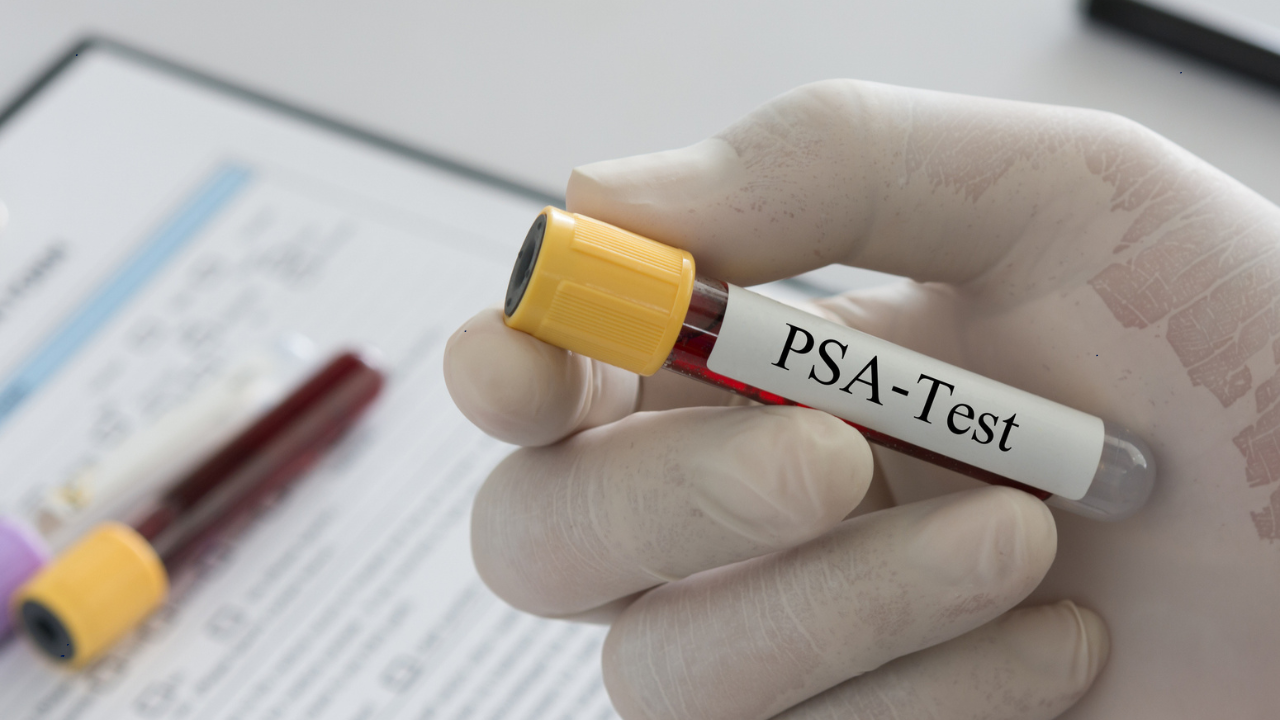
The UK’s independent screening committee has rejected routine prostate cancer screening for all men and instead recommended screening only for those considered at high risk.According to experts, the number of potentially missed cases could range from a “few thousand” to 20,000 — a major concern in a country where prostate cancer remains the most common cancer among men. The UK records around 55,000 new prostate cancer cases and nearly 12,000 deaths every year. High-profile figures diagnosed with the disease include former Prime Minister David Cameron, BBC radio host Bob Harris, and six-time Olympic gold medalist Chris Hoy.Despite the high burden, there is currently no national screening program because of concerns over the accuracy of PSA tests. But, there has been growing pressure in recent years for routine prostate cancer screening in the UK.What Do The New Guidelines Say?After reviewing the latest evidence, the National Screening Committee’s (NSC) final guidance recommended against broad population-wide screening for prostate cancer.The committee said the harms of screening outweigh the benefits for all other groups.The final guidance states that screening should not be routinely offered to:All menBlack men, despite their risk being nearly doubleMen with a family history of prostate cancer, as the disease is common enough that family history alone does not sufficiently narrow risk.Instead, the NSC recommends:targeted prostate cancer screening involving PSA testing for men aged 45 to 61, every two yearsThese men must carry a pathogenic BRCA2 gene variantThey must also have a family history of breast, ovarian, pancreatic, or prostate cancerThe committee also said the best ways to identify and invite this high-risk group should continue to be evaluated over time.Also read: Botulism Cases Surge In UK After Cosmetic Treatments; What You need to KnowWhat Is The Prostate And How Is Screening Done?The prostate is a small walnut-shaped gland in men that produces seminal fluid, which nourishes and transports sperm. Prostate cancer develops when abnormal cells begin growing in the gland.Experts say not all prostate cancers are life-threatening. Some forms grow very slowly and may never affect a man’s lifespan. Such slow-growing cancers are found in around one in three men over the age of 50.However, a smaller number of prostate cancers are aggressive, spread rapidly, and can become life-threatening, making timely detection important.Screening typically involves a blood test called prostate-specific antigen (PSA). Depending on the results, patients may then undergo an MRI scan of the prostate.Read More:1 in 6 Americans May Be Suffering From Long COVID, Study FindsHowever, screening healthy men can sometimes lead to overdiagnosis and unnecessary treatment, which may result in side effects such as erectile dysfunction and loss of bladder control.A major review by the National Screening Committee found that for every 1,000 men screened in their 50s, two prostate cancer deaths could be prevented over 15 years.But the same screening could also result in 20 men being diagnosed with cancers that would never have required treatment. Of those 20 men, 12 could undergo unnecessary treatment that may damage the prostate, affect sexual function, or cause urinary incontinence.“Once a prostate cancer is found, we still can’t reliably tell which cancers need treatment and which do not — and the treatments available for prostate cancer can cause long-lasting harm,” Prof Sir Mike Richards, chair of the screening committee, told the BBC.