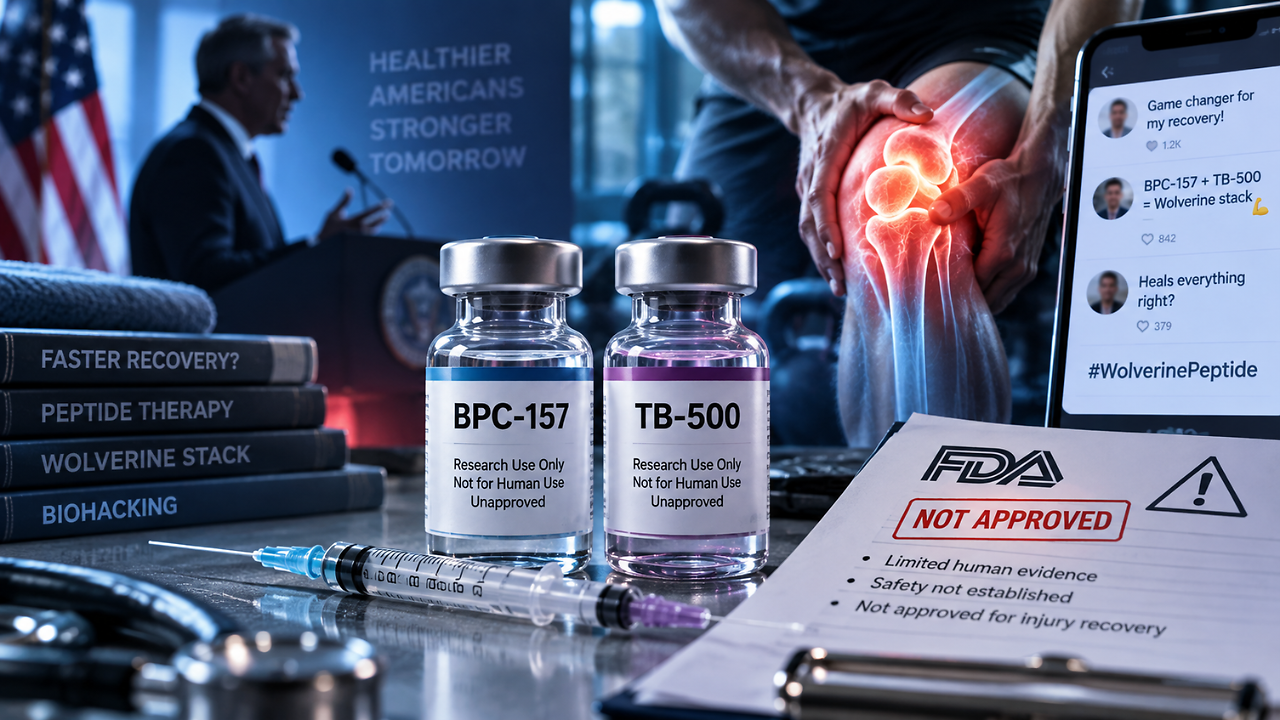
The use of an experimental peptide, popularly known as part of the 'Wolverine stack', has surged significantly in the US, despite limited evidence that it actually helps people recover from injuries.A new study based on more than 15 million medical records found that documented use of BPC-157, an unapproved peptide promoted online for pain relief, healing and performance enhancement, increased 33-fold between 2020 and 2026. The findings were reported as US Health Secretary Robert F. Kennedy Jr. has backed efforts to make the peptide available through compounding pharmacies.BPC-157 is often combined with TB-500, a peptide derived from thymosin beta-4, in what users call the 'Wolverine stack'. The combination is marketed online as a way to accelerate tissue repair and recovery from muscle, tendon and other injuries.Why Are People Taking BPC-157?Researchers identified 1,039 patients with documented BPC-157 use. Among 644 patients, the peptide was taken for conditions ranging from sports injuries and chronic pain to gastrointestinal problems.Pain and gastrointestinal symptoms were among the most common reasons for starting BPC-157. Many users obtained it through compounding pharmacies or grey-market peptide vendors.The appeal comes largely from claims that BPC-157 can promote tissue repair and accelerate recovery. But these claims have not been established through the kind of controlled human trials normally required to demonstrate that a treatment works.Also read: Bouncy Castles Linked To MRSA Outbreak In 48 Children In IrelandEffect Of BPC-157 On Injury RecoveryThe new analysis was based on real-world medical records, rather than a randomised clinical trial. Only around one-third of patients had documented responses to treatment. Some doctors recorded improvements, but patients were frequently taking other drugs or undergoing other treatments at the same time for recovery.Dr Flynn McGuire of the University of Utah, who was not involved in the research, said, “There was no placebo or untreated comparator, and there was no standardized indication, formulation, dose, route, treatment duration, or outcome assessment.”That makes it impossible to determine whether reported improvements came from BPC-157, another treatment, natural recovery or placebo effects. McGuire said randomised controlled trials are needed to establish whether the peptide produces meaningful clinical improvement.Also read: BORG Drinking Trend: Why These Viral Alcohol Jugs Can Be DangerousConcern About Its Safety BPC-157 is not approved by the US FDA for medical use. The FDA has previously raised concerns about the peptide, including the possibility of immune reactions and problems related to peptide impurities and product quality. The agency says it has limited safety information for BPC-157 in humans and lacks enough information to determine whether some routes of administration could cause harm.The FDA has also reported adverse events in its database involving reactions at the injection site, shortness of breath and skin or gum pigmentation changes, although it cautions that these events cannot necessarily be attributed to BPC-157.In July, an FDA advisory committee considered whether BPC-157 and other peptides should be permitted as bulk substances for compounding. The process does not mean BPC-157 has been approved as a drug.