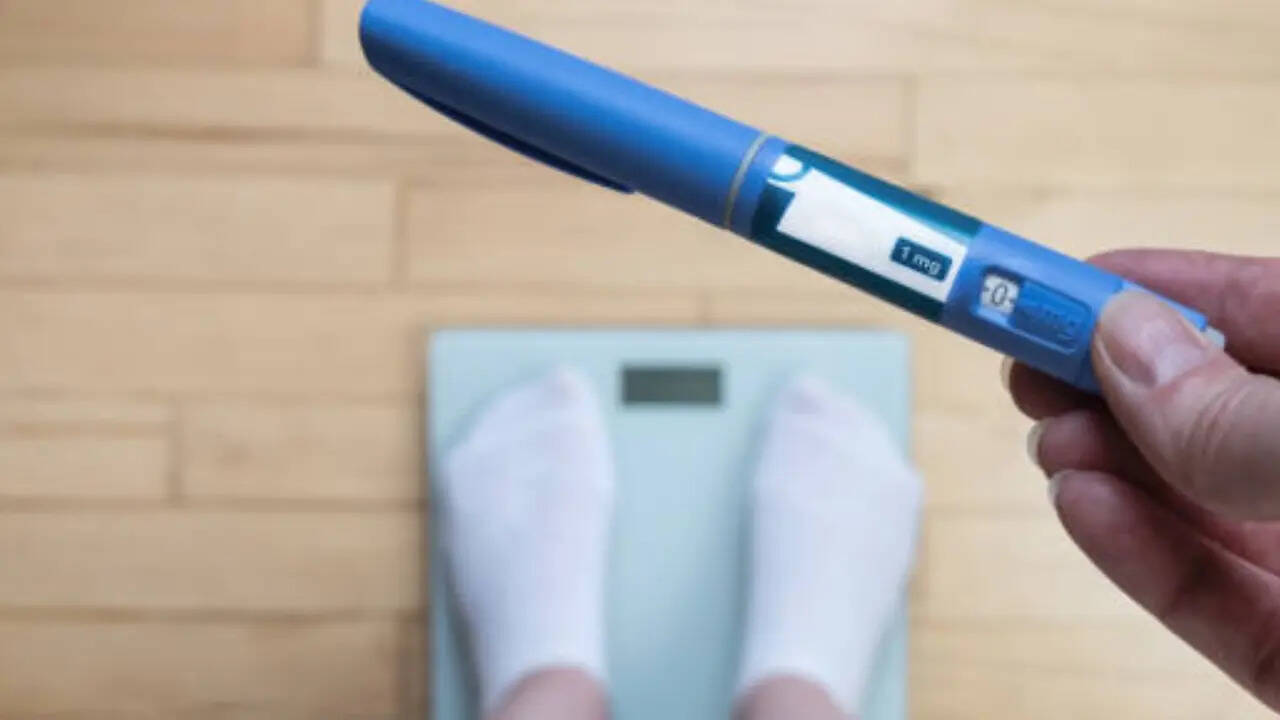
Weight loss drugs appeal to many for their convenience, but according to some experts, there are a number of noteworthy side effects. From rapid weight gain to sagging skin, several side effects of weight loss drugs have been identified through studies. Now, new research has found that weight loss drugs can cause more muscle loss than clinical expectations. The results, presented at the American College of Physicians Internal Medicine (ACP-IM) meeting in San Francisco, add to existing evidence on the possible adverse effects of GLP-1.Why does muscle loss occur during weight loss?When a person loses a considerable amount of weight, they also lose bone mass, muscle mass, and some connective tissue. Experts at the University of North Carolina at Chapel Hill found that no studies directly associate muscle loss with a decline in physical function or strength. However, this clinical gap underscores the need to assess strength and mobility alongside weight loss in patients receiving this therapy. The systematic review identified 36 randomised clinical trials that measured changes in muscle mass and fat among adults using incretin-based obesity medications such as tirzepatide, dulaglutide, or semaglutide.Each study measured body composition using MRI, CT scans, and bioelectrical impedance analysis. Most of them used DEXA along with other methods to obtain information about lean muscle mass, bone mineral density, and the distribution of body fat. The average age of participants ranged from 20 to 63.7 years. Only four studies included participants aged 60 years and above. None of the studies focused on adults aged 65 years or older.Average muscle loss on weight loss drugsResearchers noted a concerning trend: patients’ estimated muscle loss exceeded the 25 per cent threshold. Clinicians had expected a 25 per cent reduction, but not more than that. Experts also found that 68 per cent of people who used the drugs exceeded the 25 per cent benchmark, compared to 50 per cent of those who relied on placebos and lifestyle interventions. None of the studies measured whether the loss of muscle mass was correlated with function or strength loss.Muscle mass diminishes with ageDespite being a concerning side effect of weight loss drugs, muscle mass is likely to diminish anyway with age. Additionally, the loss is more significant in older adults. Therefore, doctors advise caution when prescribing these drugs to individuals who are more prone to losing muscle function at an advanced age. Ideally, doctors should recommend exercise or physical therapy to patients taking weight loss medications.The final wordAccording to experts, weight loss drugs do have a positive side — and that extends beyond obesity treatment. These drugs are also beneficial for diabetes and help reduce the risk of cardiovascular disease. However, it is important to support treatment with the right kind of diet and a proper exercise regimen. Solely depending on the medication can lead to weight gain once it is discontinued. Therefore, for healthy weight loss, it is best to rely on sustainable methods for long-lasting results.