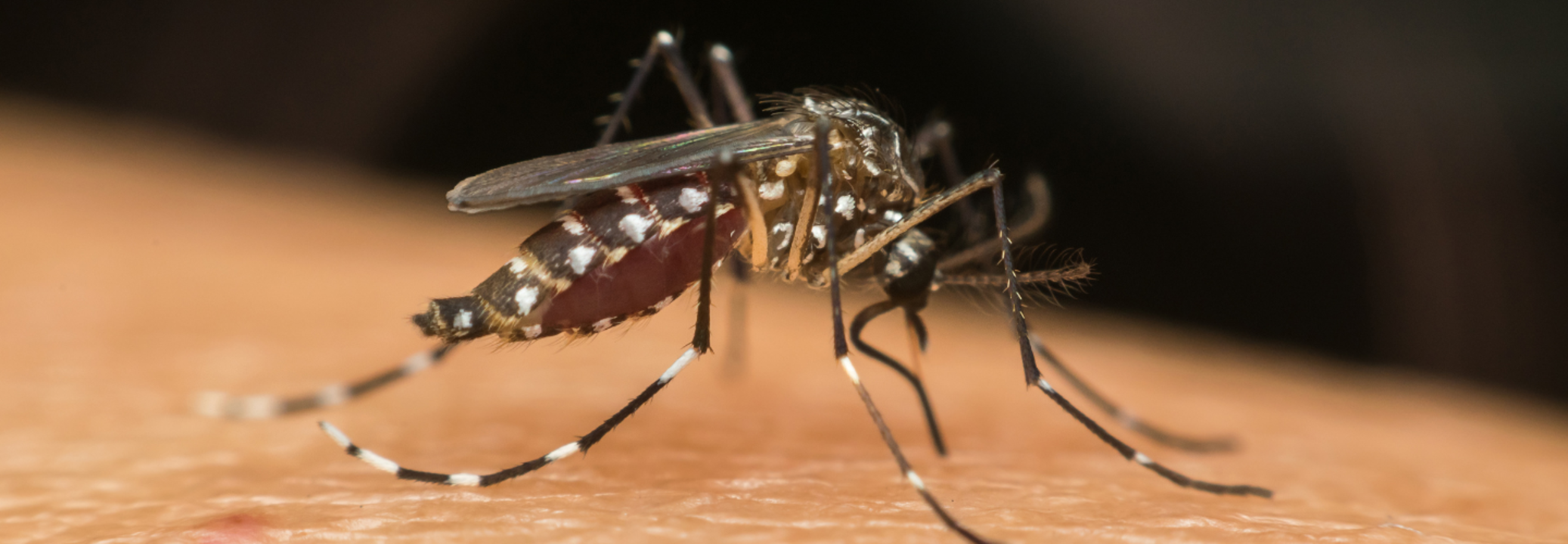
The number of dengue cases reported in Gautam Budh Nagar district has reached an alarming 54 this year, while malaria cases have risen to 80. This significant increase in vector-borne diseases is a cause for concern, especially considering the relatively lower numbers in 2023. In 2023, only 44 cases of malaria were reported, compared to 104 in 2022. The rise in dengue cases is particularly worrisome due to its potential for severe complications, including dengue hemorrhagic fever and dengue shock syndrome. Health Officials on AlertDespite the situation not being as dire as last year, health officials are gearing up to tackle a potential outbreak of dengue and malaria due to the prevailing rainy and humid conditions in the National Capital Region. These conditions are ideal for mosquito breeding, which can lead to a surge in vector-borne diseases. Health officials are closely monitoring the situation and are taking proactive measures to prevent a larger outbreak. Intensified Efforts to Combat Vector-Borne DiseasesTo combat the spread of dengue and malaria, health officials have intensified their efforts. Ten teams have been mobilized to conduct inspections, carry out fogging operations, and educate residents about the importance of anti-larvae spraying exercises. These teams are actively working to identify and eliminate breeding grounds for mosquitoes, thereby reducing the risk of disease transmission. Additionally, health officials are emphasizing the importance of public cooperation in controlling the spread of these diseases. Public Cooperation CrucialDr Shruti Verma, district malaria officer (DMO), emphasized the crucial role of public cooperation in controlling the spread of dengue and malaria. She urged residents to eliminate stagnant water on their premises, which is a breeding ground for mosquitoes. By taking simple steps to prevent mosquito breeding, individuals can significantly contribute to reducing the incidence of these diseases. Urban Areas at Higher RiskUrban areas, being more congested than rural ones, are witnessing a higher number of cases of dengue and malaria. High-rise buildings and specific localities in Noida and Greater Noida have been identified as hot spots for vector-borne diseases. The dense population and limited open spaces in urban areas make them more susceptible to mosquito infestations, leading to increased disease transmission. Government Initiatives for Disease ControlTo address the issue of dengue and malaria, the government has implemented various initiatives. One such initiative is the formation of dedicated committees in both high-rises and rural areas. These committees, comprising RWA members, advocates, doctors, and others, will be responsible for conducting surveys and ensuring effective disease control measures. By involving community members, the government aims to enhance disease surveillance and response efforts. Preparing for a Potential SurgeGiven the district's large size and the ongoing monsoon season, health officials are anticipating a daily increase of 15 to 20 new cases of dengue and malaria until the onset of winter. To cater to the potential surge in patients, government hospitals and health centers are preparing their facilities and resources. Adequate testing facilities and reserved beds have been made available to ensure timely diagnosis and treatment. Community Health Centers and HospitalCommunity health centers (CHCs) and government hospitals have been equipped to handle patients with dengue and malaria. These facilities have reserved beds and are providing necessary medical care. In case of a significant increase in cases, additional beds will be made available to accommodate the influx of patients. Testing facilities for dengue and malaria are currently available at all government hospitals, including district hospitals, CHCs, PHCs, Child PGI, and Greater Noida Institute of Medical Sciences (GIMS). Early diagnosis is crucial for effective treatment and preventing severe complications.