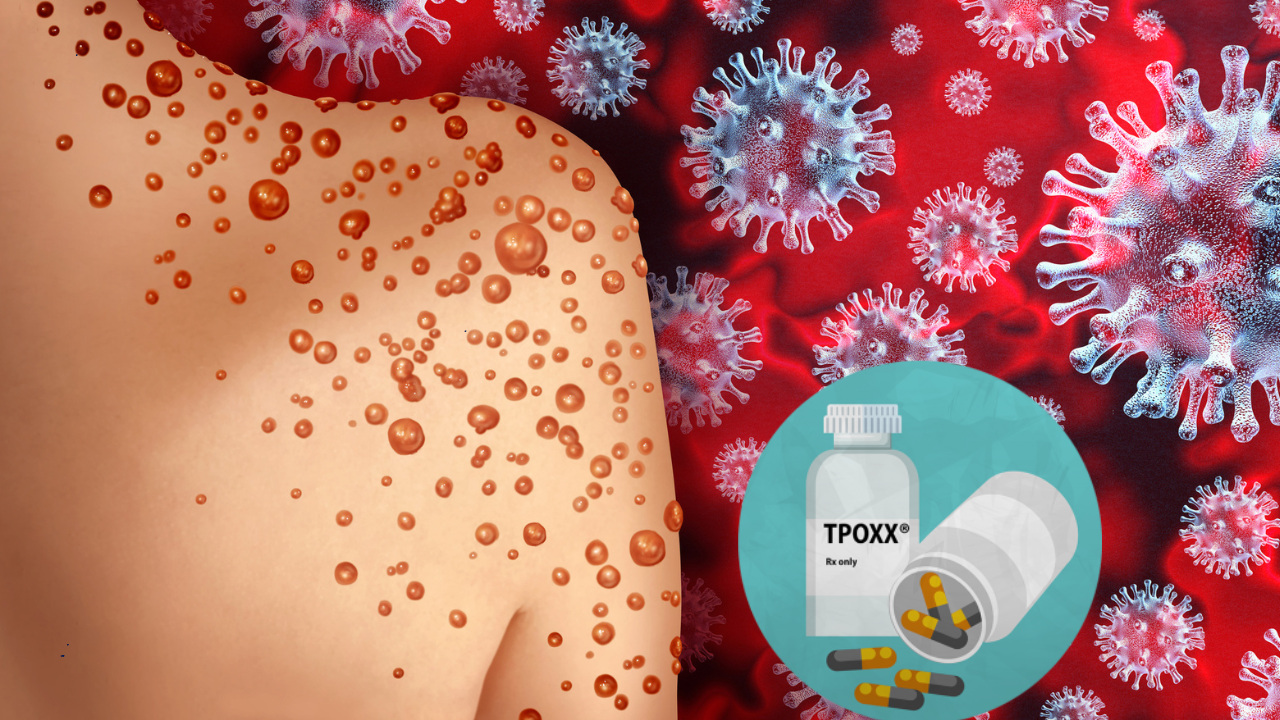
The European Medicines Agency (EMA) has advised patients and physicians not to use the antiviral drug Tecovirimat SIGA (marketed as Tpoxx) to treat mpox disease. The advisory from the EMA’s Committee for Human Medicines (CHMP) is based on data from four studies carried out in different regions, which showed that compared with placebo treatment with Tpoxx did not heal lesions faster relieve pain help clear the virus from the body faster. The EMA noted that Tpoxx was authorised for treating mpox in November 2021, based on data from an animal model of mpox infections. At the time, the virus was not circulating widely enough to conduct human studies. “The animal data demonstrated antiviral activity and a survival benefit when treatment was started early and a reduced efficacy if treatment was initiated later after exposure to the virus,” the EMA said in an official statement. However, the clade 2 mpox outbreaks, which began in 2022, led the World Health Organization (WHO) to declare mpox a Public Health Emergency of International Concern (PHEIC), giving the drugmaker SIGA Technologies an opportunity to conduct efficacy studies in people. A second PHEIC was declared in 2024 over clade 1 outbreaks. Key recommendations by the EMA include: Restricting the use of Tpoxx over no benefit. Due to lack of safety concerns, patients who initiated treatment with Tpoxx can continue till course ends. Tpoxx can still be used as an antiviral to treat other orthopoxvirus infections, including smallpox and cowpox There is currently no other drug authorized in the EU for treating mpox infections. Tpoxx For Mpox: What Does The US CDC Say The Centers for Disease Control and Prevention also noted that the role of Tpoxx in treating mpox "is investigational".The federal agency called for "additional clinical trials" to explore the role of Tpoxx in treating mpox infections in patients with severe immunocompromise, including advanced HIV."The findings from the clinical trials suggest that most patients with monkeypox who do not have severe disease or risk factors for severe disease (e.g., severe immunocompromise) will recover with supportive care and pain management," the CDC said.Also read: Missouri Reports 2 Cases Of Deadly Clade I Mpox, US Tally Rises To 3 In 2026 What Is Mpox?Mpox, earlier known as monkeypox, is a rare viral disease that belongs to the orthopoxvirus genus, the same family as the more well-known smallpox virus. Though generally less severe, mpox can still lead to serious health complications, especially in immunocompromised individuals, children, and pregnant women. The virus is transmitted from animals to humans and can spread from person to person through direct contact with infectious sores, scabs, body fluids, respiratory droplets, or contaminated materials. Also read: Mpox Outbreak: First Case of Severe Strain Reported in New York CityThe earliest signs of mpox start within 14 days of being infected. A person may not know they have mpox and can spread the disease. The common symptoms include:fever, sweating, chills through the body. rashes, which start as a distant rash on the face and can continue throughout the body, swollen lymph nodes, migraine, muscle aches, fatigue, weakness back pain. Mpox: Current Cases In February, a total of 1,184 confirmed mpox cases and four deaths were reported from 46 countries, as per the WHO's latest outbreak update. Of these cases, 58.6 percent were reported in Africa — mainly from Madagascar, the Democratic Republic of the Congo, Kenya, Burundi, and Liberia. The WHO said all clades continue to circulate, and transmission of the virus continues mostly within sexual networks, followed by household transmission. All age-groups in some historically endemic areas are being affected. “Unless mpox outbreaks are rapidly contained and human-to-human transmission is interrupted, there is a risk of sustained community transmission in all settings,” the WHO said.