
- Health Conditions A-Z
- Health & Wellness
- Nutrition
- Fitness
- Health News
- Ayurveda
- Videos
- Medicine A-Z
- Parenting
Tramadol: Is It Time To Reconsider This Go-to Drug For Treating Chronic Pain?
Credits: Wikimedia Commons
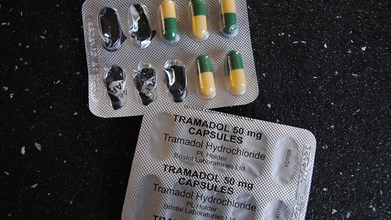
After Tylenol, a popular pain medicine in the US was in debate of whether it causes autism, the debate has now shifted to Tramadol.
What Is Tramadol?
It is an opioid pain medicine used to treat moderate to moderately severe pain. It is a controlled substance due to its potential for misuse and addiction. It alters how the brain and the nervous system respond to pain.
What's New About Tramadol?
New research published in the BMJ Evidence Based Medicine indicates that tramadol offers only a slight alleviation from chronic pain and may not be as effective. The research also notes that the side effects maybe overweighing the benefits.
Also Read: ‘Ozempic Breasts’ Are Real — The Shocking Side Effect No One Warned Women About
This prescription only drug is branded under various names, including Maxitram, Marol, Zydol, Zamadol, Tramulief, and Tramquel. It is used to treat pain, especially after surgery or a significant injury.
This is also a popular choice in US, however, the new evidence shows that it only offers limited impact on chronic pain and could actually be associated with the high risk of serious effects, including heart diseases.
Also Read: Tylenol And Autism: Trump Announces Link Between The Two, Science Does Not Back Him
Tramadol Ineffective? What Is It Based On?
The team of researchers assessed 19 published clinical trials that involved 6,506 people with chronic pain. Five of the trials studied the impact of tramadol on neuropathic pain, nine focused on osteoarthritis, four looked at chronic low back pain, and one looked at fibromyalgia.
The prescribed period for most people were two to 16 weeks. Pooled data analysis showed that tramadol did ease the pain, the effect was small as compared to what would be considered clinically effective.
Researchers also noted a doubling in the risk of harms, which were associated with the popular pain killer drug, as compared to placebo drugs. They had a higher proportion of side effects, which include: chest pain, heart disease, and congestive heart failure. Some patients also suffered nausea, dizziness, constipation, and sleepiness. The researchers concluded: "Approximately 60 million worldwide experience the addictive effects of opioids."
The researchers further noted: "In 2019, drug use was responsible for approximately 600,000 deaths, with nearly 80 per cent of these fatalities associated with opioids and approximately 25 per cent resulting from opioid overdose. Given this trend and the present findings, the use of tramadol and other opioids should be minimised to the greatest extend possible."
Read More: Tylenol And Autism: Trump, RFK Jr., And Officials To Link The Two In An Announcement Soon
Opioid And Its Link To Cardiovascular Health
As per a 2023 study, published in Cureus, titled: Opioid Impacts on Cardiovascular Health cardiovascular diseases (CVD) is a major contributor to global mortality, and opioid use impacts cardiovascular health. Opioid receptors belong to the G protein, and these long-term opioid receptors have been linked to increased inflammatory responses and elevated production of reactive oxygen species, when it comes to cardiovascular health. These processes can contribute to cardiovascular complications such as microvascular dysfunction and atherosclerosis. This contrasts with the effects of acute receptor activation.
Delhi Pollution Drops From Very Poor To Poor, Experts Say Relief Is Temporary

Credits: PTI
Delhi woke up to a slightly lower levels of AQI on Sunday Morning, November 30, as city's AQI dropped to 269 at 7am down from 305, which was recorded at 4pm on Saturday. This now falls under the "poor" category. However, experts say that the relief is temporary.
Many health experts and those who have studied the impact of pollution on humans have pointed out that anything above 300 is harmful to humans. These harms are not just limited to respiratory illnesses, and to lungs, causing lung cancers, but can also be the reason why obesity is on the rise.
Can Air Pollution Cause Obesity?
As per a 2021 study titled Effect of Air Pollution on Obesity in Children: A systematic Review and Meta-Analysis, there is a connection between air pollution and weight gain through biological behavioral mechanism. The major pollutants causing obesity are nitrous oxides, nitrogen dioxide, ozone, and particulate matter.
These could lead to systematic inflammation and metabolic disturbances, which can lead to weight gain and obesity. The study mentions that fine particulate matter [PM2.5], when it enters our body, it influences the metabolism rates.
The 2021 study also revealed that increase in air pollution, and road traffic noise was also associated with childhood obesity.
Also Read: 'Facing Breathing Issues After Morning Walk' Says CJI Surya Kant As Delhi's Toxic Air Worsens
Another 2011 study titled The influence of air pollution on cardiovascular and pulmonary function and exercise capacity: Canadian Health Measures Survey (CHMS), found that air pollutants may indirectly impact body weight by raising the risk of chronic conditions like blood pressure, heart diseases or lung diseases. "Exposure to higher concentrations of air pollution was associated with higher resting blood pressure and lower ventilatory function. Ozone was associated with reduced exercise capacity," researchers of the study wrote.
The latest study published in 2024 titled The association between air pollution and obesity: an umbrella review of meta-analyses and systematic reviews, found that air pollution can impact metabolic function by influencing inflammation in fat tissue. It leads to an increase in oxidative stress and alters one's dietary habits.
Pollution And Women's Health
This does not end here, air pollution could also negatively impact women. As Dr Anuradha Kapur, Principal Director (Obstetrics & Gynaecology) and Head of Unit, Max Smart Super Speciality Hospital, Saket says, "Environmental pollutants, such as pesticides and microplastics, can affect reproductive health and hormone regulation, potentially impacting menstrual cycles."
Dr Sonam Simpatwar, Gynaecologist with a diploma in reproductive medicine, practising at Central Railway Hospital, Mumbai further explained how pollutants impact women's health:
Endocrine Disruptors: Chemicals found in pollution, plastics, and pesticides can mimic or interfere with hormones, potentially affecting menstrual cycles.
Climate Change: Rising temperatures, extreme weather events, and changes in water quality can impact food production, nutrition, and overall health, which can indirectly affect menstrual health.
Stress: Environmental stressors, such as pollution and climate change, can lead to increased stress, which is known to influence menstrual cycles.
"It's important to note that these are potential factors, and more research is needed to fully understand their impact on menstrual health," she said.
Enlicitide: New Drug Cuts LDL Cholesterol By 60 Percent, Offers Fresh Hope For Heart Health
Credits: Canva
High levels of low-density lipoprotein cholesterol (LDL-C), commonly called "bad" cholesterol, continue to be a leading modifiable risk factor for atherosclerotic cardiovascular disease (ASCVD) worldwide. While statins and other cholesterol-lowering medications have significantly improved treatment, many patients still do not reach the LDL-C targets recommended by guidelines.
However, a new potential solution has emerged. The experimental daily oral drug called enlicitide, part of the PCSK9 inhibitor class, demonstrated in a key Phase 3 study (CORALreef Lipids) a reduction in LDL-C of about 55.8% at 24 weeks, with post-hoc analysis suggesting reductions up to 59.7% compared to a placebo.
Statins Vs Enlicitide
Statins are the standard first-line treatment for high LDL-C and have strong evidence for lowering the risk of cardiovascular events. Yet, many patients either cannot tolerate high doses or still have elevated cholesterol levels. Injectable PCSK9 inhibitors, which are monoclonal antibodies, address this gap and can lower LDL-C by up to 70% but are expensive, require injections, and have limited uptake.
Introducing an oral PCSK9 inhibitor could make powerful LDL-C reduction more accessible. According to trial data, enlicitide may achieve reductions similar to injectable options while being more convenient and potentially more widely available.
Enlicitide: A Potential Breakthrough for "Bad" Cholesterol
The CORALreef Lipids Phase 3 study involved 2,912 adults at risk of or with established ASCVD who were either already on lipid-lowering therapy or unable to take statins. Participants were randomly assigned to receive a daily 20 mg dose of oral enlicitide or a placebo. At 24 weeks, the main analysis showed an average LDL-C reduction of 55.8%, with a post-hoc reanalysis estimating 59.7%. The drug’s safety profile was similar to placebo, with no major safety concerns reported and low rates of discontinuation due to adverse effects.
Enlicitide Implications: What Does This Mean Clinically?
These reductions are substantial, suggesting oral enlicitide could:
- Improve adherence since it eliminates the need for injections
- Increase access, particularly in resource-limited areas
- Provide an alternative for patients intolerant or resistant to statins
In India, where ASCVD prevalence is high and expensive therapies are less accessible, this pill could provide a practical, scalable option alongside diet, exercise, and current statin or ezetimibe treatments.
Enlicitide Caveats: Unanswered Questions To Be Mindful Of
Despite the promising LDL-C reductions, several key issues remain:
- Cardiovascular outcomes: It is not yet confirmed whether enlicitide lowers heart attacks, strokes, or mortality. Current data focus on cholesterol reduction, not clinical endpoints.
- Long-term safety: Data beyond 24 weeks and one year is limited.
- Approval and cost: Enlicitide is still investigational and not available for regular use. Regulatory approvals, like FDA evaluation, will review full data. Its real-world adoption in India will depend on cost and accessibility.
- Patient selection and combination therapy: How enlicitide will be integrated with existing statins, ezetimibe, and lifestyle interventions is still under review. Guidelines may require updating.
- Sub-group efficacy: Will results apply across different ethnicities, comorbidities, and specifically the Indian population? Local data will be important.
The investigational oral pill enlicitide could represent a major advance in cholesterol management. For patients whose LDL-C remains high despite statins, or who cannot tolerate injections, it offers a potent and convenient alternative. Yet, medicine requires caution.
Disclaimer: This content is for general informational purposes only and is not a substitute for professional medical advice. Always consult a doctor or specialist before starting or changing any medication
Taking Gabapentin? NHS Warns These Dangerous Side Effects Need Immediate Medical Attention

Credits: Canva
According to NHS advice, people who use gabapentin may face rare emergencies linked to the medicine. Although it is not officially classed as a painkiller, doctors often prescribe it for nerve pain that follows an injury. It is also used for discomfort caused by shingles or diabetes. The medicine works by interrupting pain signals that move between the brain and spinal cord. Gabapentin is also a common treatment for epilepsy and falls under the group of anticonvulsant drugs. Most people take it as capsules, tablets, or a liquid, usually three times a day.
NHS information notes that the majority of users do not face any side effects. Those who do usually notice only mild and short-lived symptoms.
What Is Gabapentin?
Gabapentin is a prescription drug that belongs to a group of medicines called anticonvulsants. Doctors usually give it to people who have nerve pain or to help manage certain types of seizures in epilepsy. It is sold under names like Neurontin, Gralise, and Horizant, along with widely used generic versions.
What Is Gabapentin Approved For?
Gabapentin is prescribed for a few main purposes:
- It helps prevent and control partial seizures. Adults and children aged three and older who experience partial seizures can take it as part of their treatment plan.
- It also eases nerve pain that can appear after a bout of shingles in adults. Shingles develops years after a person has had chickenpox. The chickenpox virus stays quiet in the dorsal root ganglion, a section of the spinal nerve. In some people, usually during times of heightened stress, the dormant virus becomes active again and causes the painful shingles rash. When the rash settles but the nerve pain remains, the condition is known as postherpetic neuralgia.
- Gabapentin is also approved for people who have moderate to severe primary restless legs syndrome.
- Neurontin and Gralise, the branded forms of gabapentin, are licensed for treating partial seizures and postherpetic neuralgia. Horizant, another branded version called gabapentin enacarbil, is approved for restless legs syndrome and postherpetic neuralgia.
Side Effects Of Gabapentin
There are times when gabapentin may lead to serious reactions that need emergency attention. Mild effects can include an upset stomach, dry mouth, weight gain, or slight memory troubles.
More concerning reactions may involve thoughts of self-harm, unusual muscle pain or weakness, or seeing or hearing things that are not there. Even then, NHS guidance states that these usually require an urgent call to a doctor or 111 rather than ambulance help.
When You Should Call 999 While Taking Gabapentin
Like many medicines, gabapentin can trigger a severe allergic reaction known as anaphylaxis. This can cause several symptoms, such as swelling in the throat or difficulty breathing. The NHS advises calling 999 if you are taking gabapentin and experience any of the following:
- Sudden swelling of the lips, mouth, tongue, or throat
- Fainting and the person cannot be woken
- Lips, skin, or tongue turning blue, pale, or grey
- Trouble breathing or unusually fast breathing
- A tight sensation in the throat or difficulty swallowing
- Follow Us :


© 2024 Bennett, Coleman & Company Limited